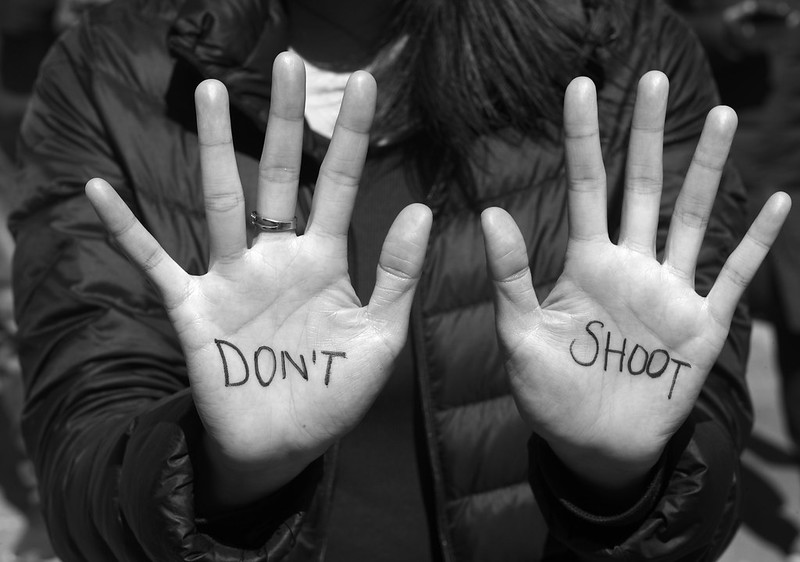
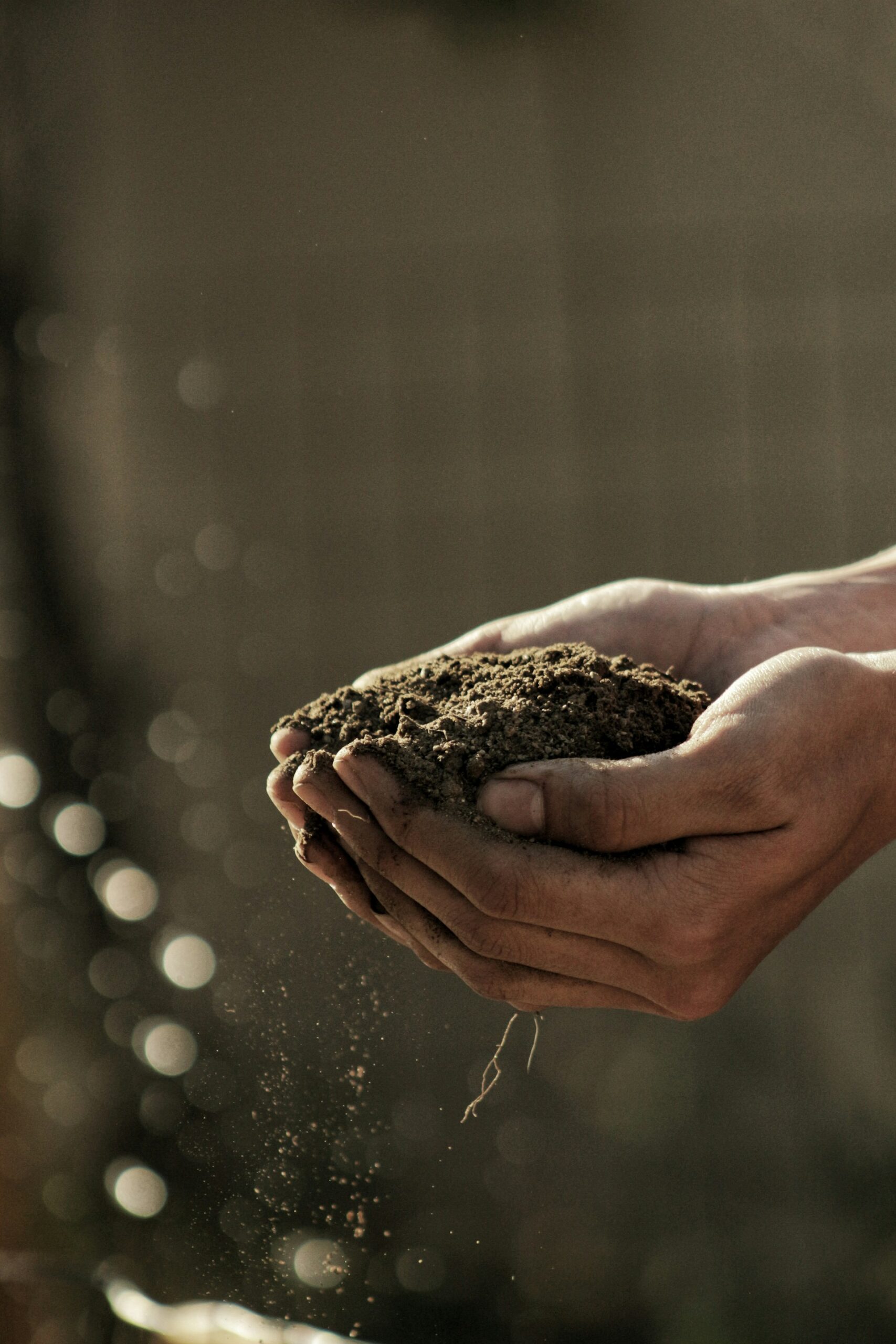
Uprooted/Planted

By Ash Reynolds

Today I learned the word “ecocide”
murder of the environment
Intentional destruction of the soil, air
of olive trees, strawberry fields
Mourn for all that is lost
the homeless animals, the rootless trees
Don’t cry over spilled oil
or plastic crowding the ocean
Colonizers raping an open wound
hands stained copper-tongue carmine
Dear planet, look what they’ve done to you

Today I planted my garden
birth of nourishment
Intentional tending of green zebra tomatoes
of hot & spicy oregano, mini-me cucumbers
Celebrate all that is growing
the native flowers, the bumblebees
Don’t cry over dry soil
or squirrels snacking
Tenderly dug holes in fecund earth
garden gloves stained abundant brown
Dear planet, look what you’ve given me


Ash Reynolds (they/them) is a nonbinary, queer, ace poet living in College Park, Maryland, USA, with their rescue dog and 41 houseplants. They are published in new words {press} and have a poem forthcoming in The Bitchin’ Kitsch.

Photograph by Gabriel Jimenez on Unsplash.


A note from Writers Resist

Thank you for reading! If you appreciate creative resistance and would like to support it, you can make a small, medium or large donation to Writers Resist from our Give a Sawbuck page.

About Those Census Checkboxes

By Beulah Vega

To those who do not look
she looks nothing like me
but we share that look

the slow ashen gaze that says I’m tired

of these forms that push messy spheres
into uniform squares.

She/ I/ we are tired. Tired
in the marrow of our bones
that share color and structure

but not marrow matches

tired of doctors blaming our blood
for illness.

I/we/she are tired. Tired
in lungs that share the same
air-poisoned and fear-filled

voices and pleas ignored

by pink hats who only really march
for pink skin.

We/she/I are tired. Tired
of learning two of every-
word. But never learning

one that means compassion.

Tired of monolingual and bilingual, both meaning
“outsider” “forastera.”

We/she/I/Half Caste/Mestizo/Indio
/Half breeds/Mulatto are all tired
of these boxes you’ve built

 to bury us in.


Beulah Vega (she/her) is a Latine writer, poet, and theatrical artist living and working in California’s Bay Area. Her poetry has been published in The Literary Nest, Sage Cigarettes, Walled Women, and Blood & Bourbon, among others. Her first book of poetry, A Saga for the Unrequited, was published in August of 2021 by Fae Corp Publishing. She is still amazed when people refer to her as a writer, every time. To follow her lunacy (artistic and otherwise) find her on Facebook @BFVegaauthor and Instagram/Twitter @Byronwhoknew.


A note from Writers Resist

Thank you for reading! If you appreciate creative resistance and would like to support it, you can make a small, medium or large donation to Writers Resist from our Give a Sawbuck page.
mmiwg

By Amritha York


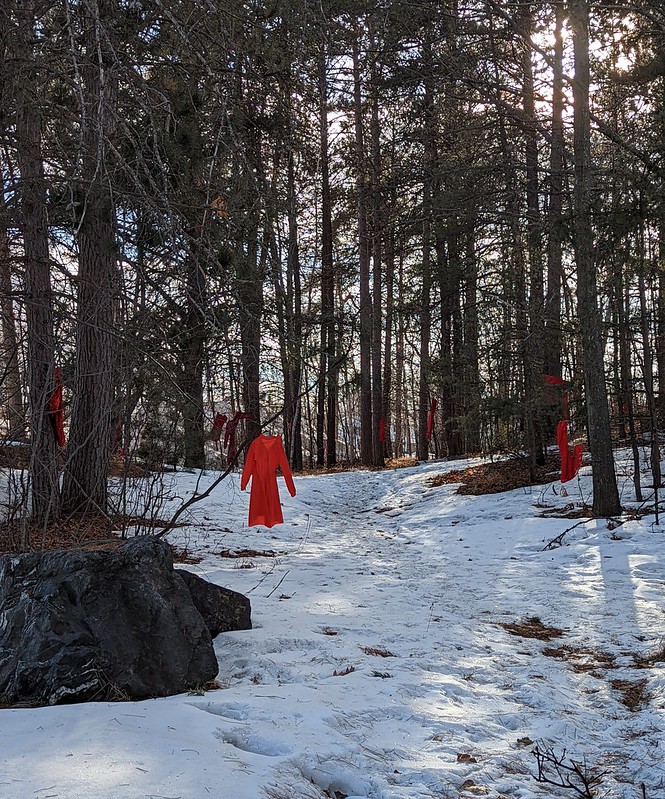
for now the red maple in the cloth flag remains the stain of a history attempting to come undone,
but

the other day i said bye to my friend and wasn’t sure if i’d ever see her again.
the other day, a waste management person told me they were scared of what they’d find at work.

red 
isn’t just a dress.
mmiwg isn’t just a hashtag. 

it’s a mother’s spirit spilling out her mouth every time she’s questioned, 
and flowing out when they stop asking. 
watching the red in the flag flapping in the wind, 
the red flapping in the empty dress that replaces her daughter. 
red in the rcmp uniform, 
red in the strawberry jello cake i made for canada day off the box.

never knowing who those red-dressed women were. 
$122, 728,283 spent over 54 years can’t replace 4000+ women. 
go back and find my girls, 
my women, 
that were born of this earth, 
that we hold in our hearts. 
every july, we road trip past unmarked graves and lost mothers’ souls.
red planted over with orange lilies and lady slippers stepping through our way.

keeping them company
until they find their way home.


Learn more about Missing and Murdered Indigenous Women and Girls at https://www.mmiwg-ffada.ca/  and https://www.humanrightsresearch.org/post/the-disappearance-of-native-american-women-in-the-u-s 


Amritha York (she/her/they/them) is a Torontonian queer, Indian, RN, new mother and gender-fluid woman. Amritha writes from her own life experiences of traumas, loss, poverty, and race and the resiliency in overcoming these. She hopes to push how we use storytelling out of stuffy exclusivity into generationally healing words of comfort. She has previously written for the Legion at a provincial and regional level and more recently participated in social action projects with Gardiner Ceramic Museum, for International Day of Violence Against Women, and part of a social action project for vulnerable and un-housed persons in Toronto, distributed by the YWCA.

Amritha hopes to make poetry and writing more accessible and digestible for BIPOC persons, and individuals who are in vulnerable spaces of mental health, addictions, trauma work and recovery. She has been published in Anti-Heroin Chic, Libre Lit, and Fruitslice, and you can find snippets of her work on Instagram @first.breath.release.

Photograph by yooperann via a creative commons license.


A note from Writers Resist

Thank you for reading! If you appreciate creative resistance and would like to support it, you can make a small, medium or large donation to Writers Resist from our Give a Sawbuck page.
Gen X Girls Ghazal

By M.R. Mandell

            after Patricia Smith

We woke ourselves up, brushed our own hair, cooked our own dinners, tucked
our sisters into bed. We were thirty at the age of thirteen. We needed nobody.

Vogued to Madonna. Leather jackets, tattooed midriffs, clove cigarettes slipping
off our lips, kissing girls under neon, electrifying every part of our bodies.

Boys drooled over our breasts, slid fingers up our lace miniskirts. Our curves made
them squirm. Our bodies owned their minds, but they said we owed them our bodies.

When we didn’t give in, they dropped roofies in our cups. Raped us, left us for dead,
blamed our bare skin and pulsing hips. We guilty bodies.

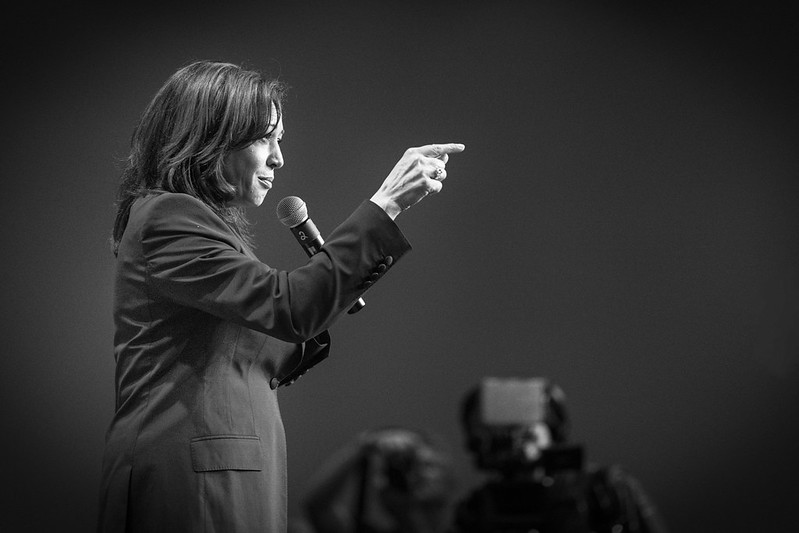
They’re old boys now, terrified of who we are, what we have become, what we have won. Governor of Michigan. Vice President of the United States. Badass brains. Badass bodies.

Oh, Rebecca, step down from your self-built pedestal. Stop talkin’ ‘bout the past.
Get off your ass. Gen X girls, this is our calling. We fight. We vote. Cue bodies!


M.R. Mandell (she/her) is a poet based in Los Angeles. You can find her words in The McNeese Review, Weekly Humorist, Maudlin House, Writers Resist, Stanchion, HAD, and others. She is the author of the chapbook, Don’t Worry About Me, (Bottlecap Press) and Lost Girls, forthcoming September 2025 (Finishing Line Press).

Photo credit: Lorie Shaull via a Creative Commons License.


A note from Writers Resist

Thank you for reading! If you appreciate creative resistance and would like to support it, you can make a small, medium or large donation to Writers Resist from our Give a Sawbuck page.
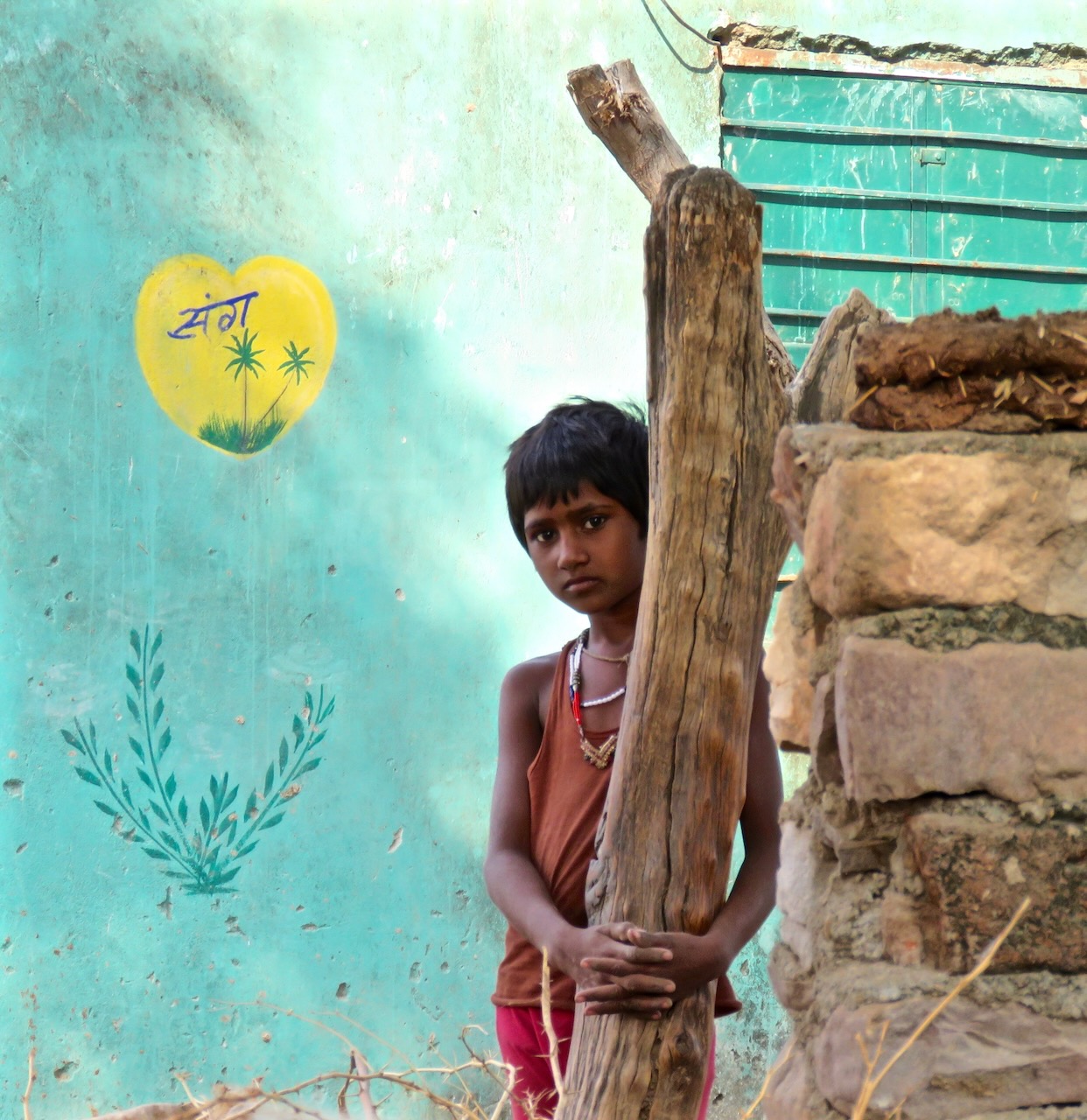
kaala; kala

By Ria Raj

my mother traces her fingers along my mahogany-skin
and calls me kaala,
hindi for black.

my mother traces her fingers along a film photograph of her homeland,
and calls it kala,
hindi for art.

i find it particularly lovely
that art
is intrinsic
to Blackness
in the hindi language

ka(a)la

the ubiquity of the
english language
is contingent


upon Black destruction

and as the
english language
continues to

dismember Black bodies,

i wonder if my hindi might illuminate a semblance of Blackness,
keeping it from

its premature death.


Ria Raj is a queer, South-Asian-American writer. She is deeply interested in the intersectional constructions of brownness, queerness, and womanhood in the literary archive, and how her work might fit into this constellation. She has upcoming publications in Eunoia Review, Moonbow Magazine, The Greyhound Journal, Zhagaram Literary Magazine, and Fleeting Daze Magazine.

Photo by Debbie Hall, poet, photographer and Writers Resist poetry editor.


A note from Writers Resist

Thank you for reading! If you appreciate creative resistance and would like to support it, you can make a small, medium or large donation to Writers Resist from our Give a Sawbuck page.
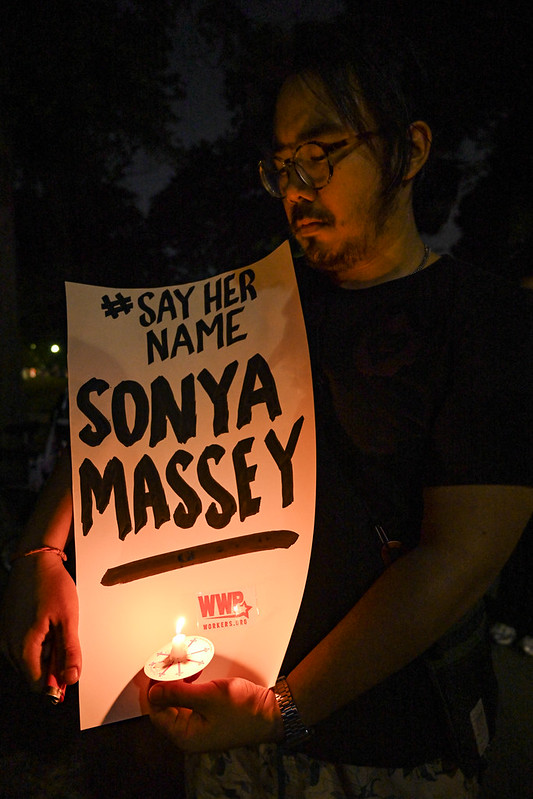
Upon Learning, in a Report on the Footage of a Sheriff’s Deputy Shooting Sonya Massey to Death in Her Kitchen, of Massey’s First Words to the Deputy

By Jennifer L. Freed

I, too, have felt myself to be prey.            
What woman has not?  

But I live
in a white body.

If ever I
dialed 911, afraid

of a man
prowling

around my home,
I would not need to say,

when the officers came
to my door—

no—let me rephrase: it would never
occur

to me
that my very first words

would be
Please don’t hurt me.


Jennifer L. Freed’s collection, When Light Shifts (2022 finalist, Sheila Margaret Motton Book Prize), explores the aftermath of her mother’s stroke and the altered relationships that emerge in a family health crisis. Her poems have been nominated for Best of the Net, The Pushcart Prize, and the Orison Anthology. Awards include the 2022 Frank O’Hara Prize, the 2020 Samuel Washington Allen Prize, and Honorable Mention for the 2022 Connecticut Poetry Award. She teaches adult education programs from Massachusetts, USA. Please visit jfreed.weebly.com.

Poet’s note: The news story that mentions Sonya Massey’s first words is here.

Photograph by Joe Piette via a Creative Commons license.


A note from Writers Resist

Thank you for reading! If you appreciate creative resistance and would like to support it, you can make a small, medium or large donation to Writers Resist from our Give a Sawbuck page.

Election Day Facebook Exchange 

By Laura Grace Weldon

I post a thank you to the four pound bag of garbanzo flour
which threw itself off a high shelf. It burst open in a spectacular
display of organic bean dust, coating my face and sweater.
I’d been festering with worries about which way
the vote might go, but explain that snort-laughing helps.

To whatever Facebook friends are awake at five-thirty a.m.—
those who are lunching in Finland, suppering in India,
going to bed in New Zealand—I suggest we invite 
silly mistakes to course-correct us back to good humor.
By the time I’ve cleaned the mess, friends are weighing in.

Kunzang says I’m thinking of adding snort laughter
to my tonglen practice and I affirm, That’s next level
Tamara says, Four pounds is a lot and I tell her
my husband insists benevolent kitchen gods
were saving him from meals made with it.

Joanne says I need a dose of bean dust, because I’m a wreck
and I offer to appear as Bean Dust Fairy. Wearing glittery wings,
I’d scatter flour over her worried head, but only after
she signed a disclaimer acknowledging no known magic
makes politicians work for the good of all. Kimerly says,

Winged garbanzo flour. What a magical sight. I thank her
for seeing the magic. Tell her it was, briefly, beautiful.
Donna reframes my mistake with, You know how
to make the most of amazing moments. Truth is,
I’m just uncoordinated, but she’s onto a larger truth.

I type back, Everything is, essentially, amazing.


Laura Grace Weldon lives in a township too tiny for traffic lights where she works as a book editor, teaches writing workshops, serves as Braided Way editor, and chronically maxes out her library card. Laura was Ohio’s 2019 Poet of the Year and is the author of four books.

Photography by David Becker on Unsplash.


A note from Writers Resist

Thank you for reading! If you appreciate creative resistance and would like to support it, you can make a small, medium or large donation to Writers Resist from our Give a Sawbuck page.
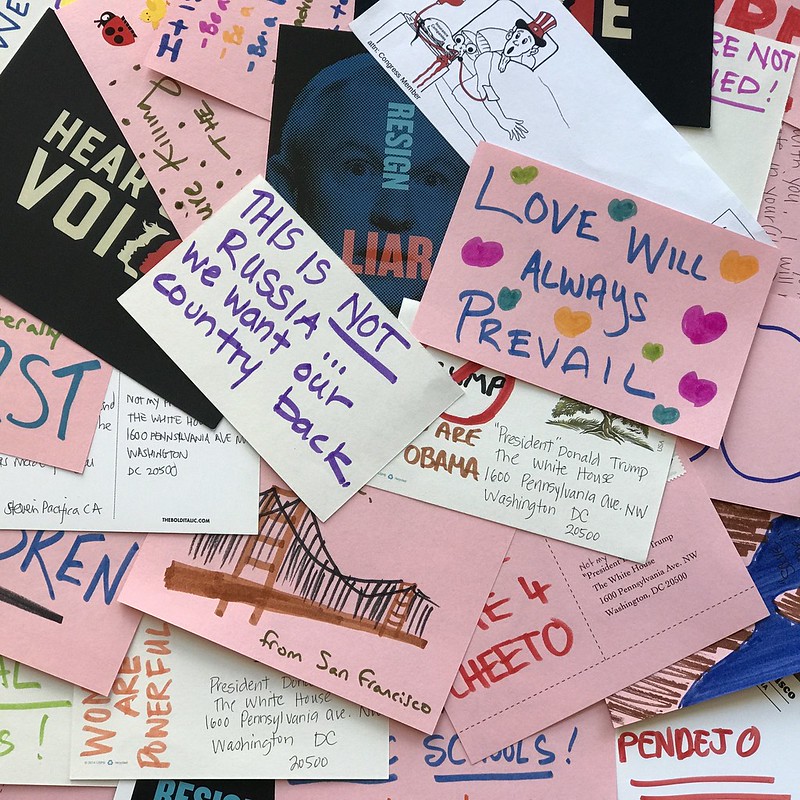
Postcards from the Valley of the Moon

By Jennifer Karp

The car shows 94 degrees after our dry desert hike. I write political postcards to Swing States while you drive. Dust in our boots, our clothes, the cracks around our eyes. They’re called crow’s feet, but you call them smile lines. I don’t know crows from blackbirds from ravens. Volcan Mountain, Iron Mountain, Cowles Mountain, everything is and has been open, you say. I’m not a fan of walking on sand—I do agree it’s cushioned and offers great resistance, but I’ll walk on rocks all day before sand. We pull off the highway to watch the Vice-Presidential debate again on YouTube. Dirt hangs in the air. This is becoming too big of a metaphor, you say. I’ve got a blister on my toe but I don’t tell you. We climb up a nearby boulder, you with ear pods, me with postcards and a black pen, hoping each line makes a difference.


Jennifer Karp began her love of writing at the age of eight. She earned recognition as a finalist in the 2023-24 Steve Kowit Poetry Prize and as a winner of the San Diego Reader Poetry Contest. Jennifer’s work appears in numerous journals, anthologies, and international magazines, touching hearts and minds around the world.

Photograph by Master Steve Rapport via a Creative Commons license.


A note from Writers Resist

Thank you for reading! If you appreciate creative resistance and would like to support it, you can make a small, medium or large donation to Writers Resist from our Give a Sawbuck page.
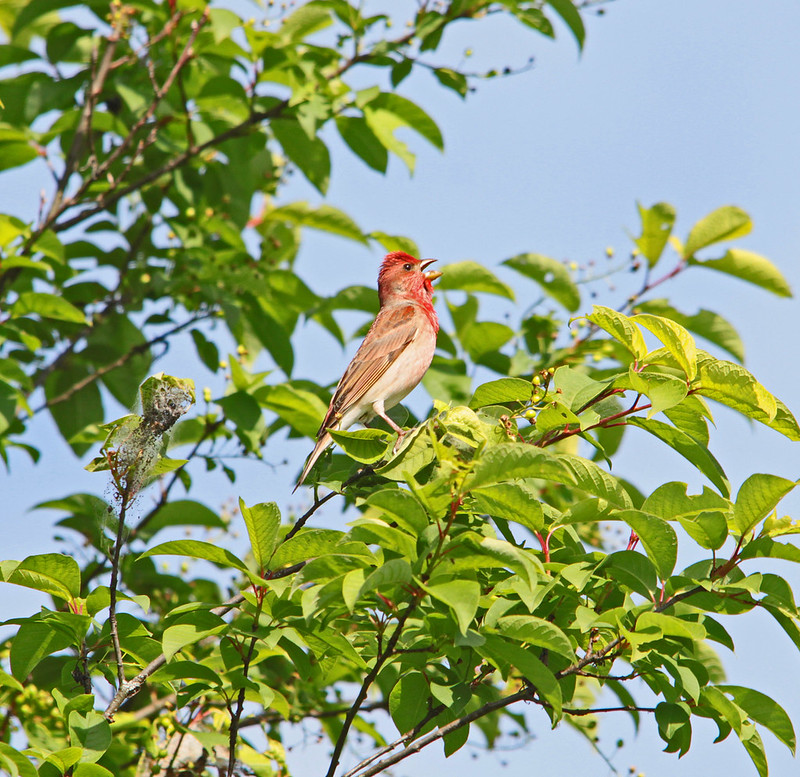
This little piece of heaven

By Mary Brancaccio

                        after William Stafford

has flown from Himalayan heights
to breed in Bialowieza, one of the last
primeval forests in Europe. He perches,
high in the branches of a leafy maple
and chirps out his rosefinch song as if
everything in the world depends on it.
It does — Earth needs more melody,
more calls to joy and desire, calls for
lands fit for another clutch of hope —
more trust in the future, in serenity
to raise the young, in attentiveness
to life in all its fragility and resilience.
Ah, to be a rosefinch, crossing borders
without papers, without worry of
misunderstanding, trusting in
the meadow’s bounty, in the wind’s
gift, in the endless sky and its glorious
light. In everything that makes possible
mate, nest and egg. His song is prayer
of thanks, one beautiful, full-throated

hallelujah.


Mary Brancaccio’s first poetry collection, Fierce Geometry (Get Fresh Books Publishing, 2022),was recommended by the American Academy of Poets. Her work has appeared in Naugatuck River Review, Minerva Rising, Edison Literary Review, among others. She is included in several anthologies of poetry, including The Black River: Death Poems; Farewell to Nuclear, Welcome to Renewable Energy (a response to the Fukushima nuclear disaster) and Veils, Halos and Shackles: International Poetry on the Oppression and Empowerment of Women. Her website is ghostgirlpoet.com.

Photograph by vil.sandi via a Creative Commons license.


A note from Writers Resist

Thank you for reading! If you appreciate creative resistance and would like to support it, you can make a small, medium or large donation to Writers Resist from our Give a Sawbuck page.
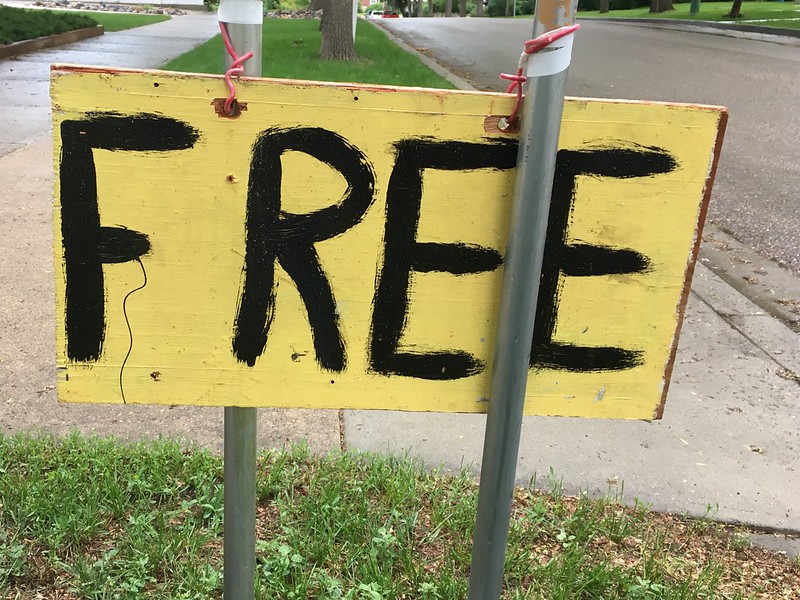
What should be free

By Livia Meneghin

            
Archived recordings of Ainu, Aleut, Lushootseed, Quechua, Boon, Saami, Somray,
Warluwarra, and other critically endangered languages.
All traditional items stolen for foreign museums.
Water.
Parking at a hospital.
(Parking at) the university you attend.
To knock on your neighbor’s door asking for sugar or to borrow a drill or if they can
water your plants while you visit family out of state. And to offer freshly made raisin bread or
help stringing outdoor Christmas lights or first dibs on an outgrown crib before donating it.
Submitting to literary magazines.
Cheese, when you’re depressed.
You, from depressive thoughts.
You, to feel down at times because sadness is necessary.
Children under rubble. Children from famine.
Water.
Leg hair. Also, the choice to shave if your body feels better that way.
Women who want to be slutty.
Women who must take care of their parents and their children at the same time.
Anyone making below a livable wage.
Ants: including the over 12,000 named species, as well as the unnamed species, who
matter equally.
Bakery items at the end of the day from being thrown out.
Glaciers from stampedes of tourists warming their surfaces.
Cows and chickens and pigs from slaughter.
Sinuses from infections.
Water.
Salmon runs.
Wild grasses.


Livia Meneghin (she/her) is the Sundress Publications Reads Editor and author of chapbook, Honey in My Hair. She’s earned recognition and awards from the Academy of American Poets, the Writers’ Room of Boston, Breakwater Review‘s Peseroff Prize, the Room Poetry Contest. Her writing has found homes in Gasher, So to Speak, Thrush, Whale Road Review, and elsewhere.After earning her MFA in Boston, she now teaches writing and literature at the collegiate level. She is a cancer survivor.

Public Domain photograph by Alan Levine.


A note from Writers Resist

Thank you for reading! If you appreciate creative resistance and would like to support it, you can make a small, medium or large donation to Writers Resist from our Give a Sawbuck page.
Welcome to Writers Resist the Fall 2024 Issue

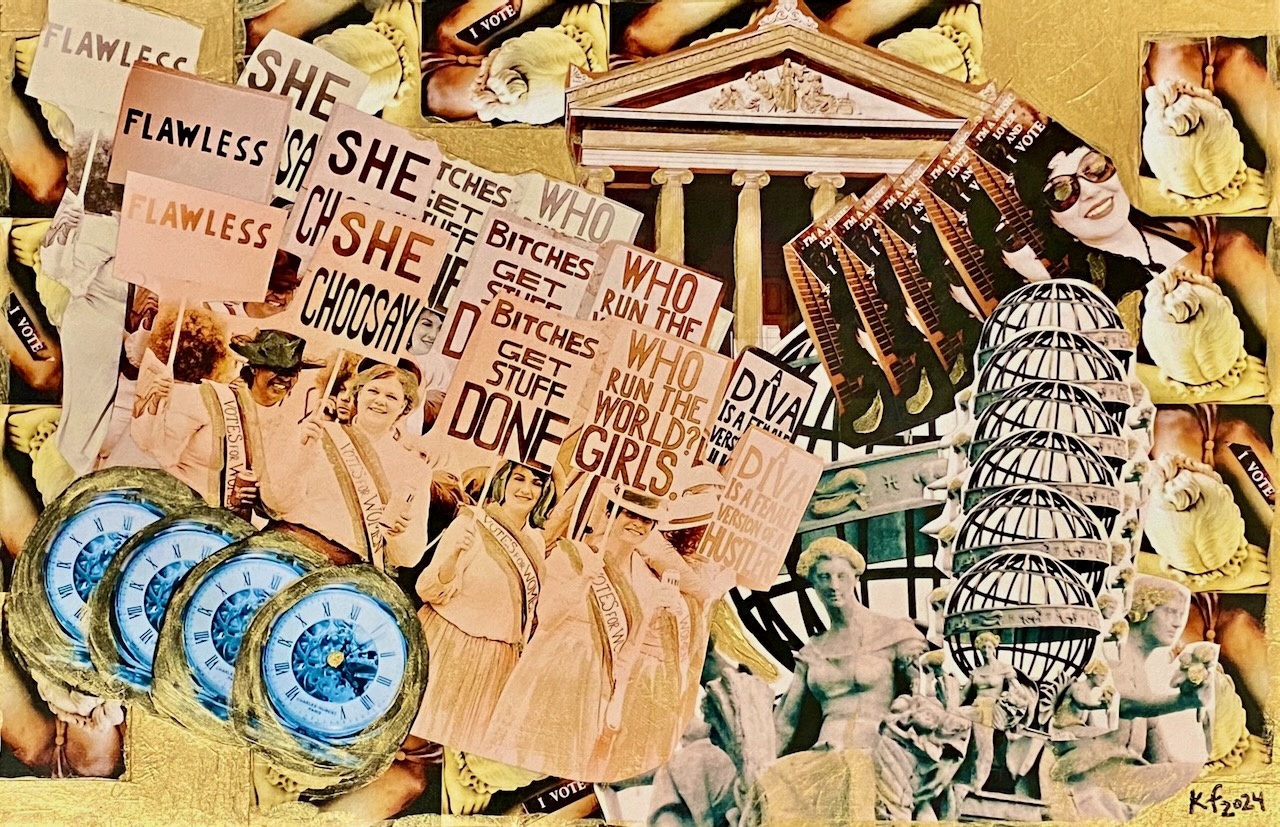
The collage by Kristin Fouquet is an apt introduction to this issue, launched in the final throes of the chaotic, often hateful presidential campaigning. How wonderful it would be if the joyful prospect of electing the first woman president of the United States could be just that.

Perhaps we can make it so by encouraging all our sisters and other beloveds to use our hard-won right to vote. As Kristin’s artwork warns us, “Suffrage or Suffer.”

But first, a very fond farewell to one of our founding editors, Sara Marchant, who has a few words to share:

In the last days of the late 1900s, I woke up underneath a beanbag chair on the bamboo floor of a thrashed house not my own, missing a shoe, cake-frosting in my hair, and with full awareness that hijinks had ensued. My first thought was: That was an excellent party.

Today, while reading this issue of Writers Resist, please picture me in my pajamas, bedhead resplendent, toasting you, dear readers, contributors and editors, with my second cup of coffee.

Writers Resist was born from worried dread about our future and righteous anger over our present reality, and there is still much work to be done, but I know I leave her in capable hands . . . and it has been an excellent party.

Now, this issue has a notable dose of dystopias, but—or because of that—you should find some kindred souls in the works of our contributing writers and artists—and if you’d like to join them for our virtual Writers Resist Reads, on Saturday 16 November at 5:00 p.m. PACIFIC, please request the Zoom link via WritersResist@gmail.com.

D. Arifah, “Watching Over the Horizon

Linda Bamber, “Endless War

Robyn Bashaw, “Beware the Homo Sapiens

Cheryl Caesar, “Grass

Chiara Di Lello, “Abecedarian for Billionaires

Matthew Donovan, “I Believe Her

Kristin Fouquet, “Suffrage or Suffer

Ellen Girardeau Kempler, “Poem in Response to Mass Shooting Number 130 in the United States 2023

Michael Henson, “The Dream Children of Addison Mitchell McConnell III

Jacqueline Jules, “How I Feel About the 2024 Election

Craig Kirchner, “The Coming

Christian Hanz Lozada, “When I hear ‘migration,’ I think of ships

Rasmenia Massoud, “Who We Are, More or Less

Ryan Owen, “Breathe

Kate Rogers, “Sisters

Elizabeth Shack, “tree : forest :: ad : internet

Angela Townsend, “French Kissed

Rachel Turney, “Respect

Diane Vogel Ferri, “Election Day

How I Feel About the 2024 Election

By Jacqueline Jules

Woke this morning
with self-immolation on my mind,
not planning it, just incredulous
that anyone setting themselves on fire
would expect others to pay attention
in this world of “alternative facts”
where the size of an inauguration
can be disputed by the White House
along with whether or not men
scaling the walls of Congress
can be considered an insurrection.

It feels like everyone is burning
a flag these days, metaphorically
at least. If you’re wondering,
it’s not a constitutional crime,
and displaying the stars and stripes
on your underwear is okay, too.
Just check Amazon.

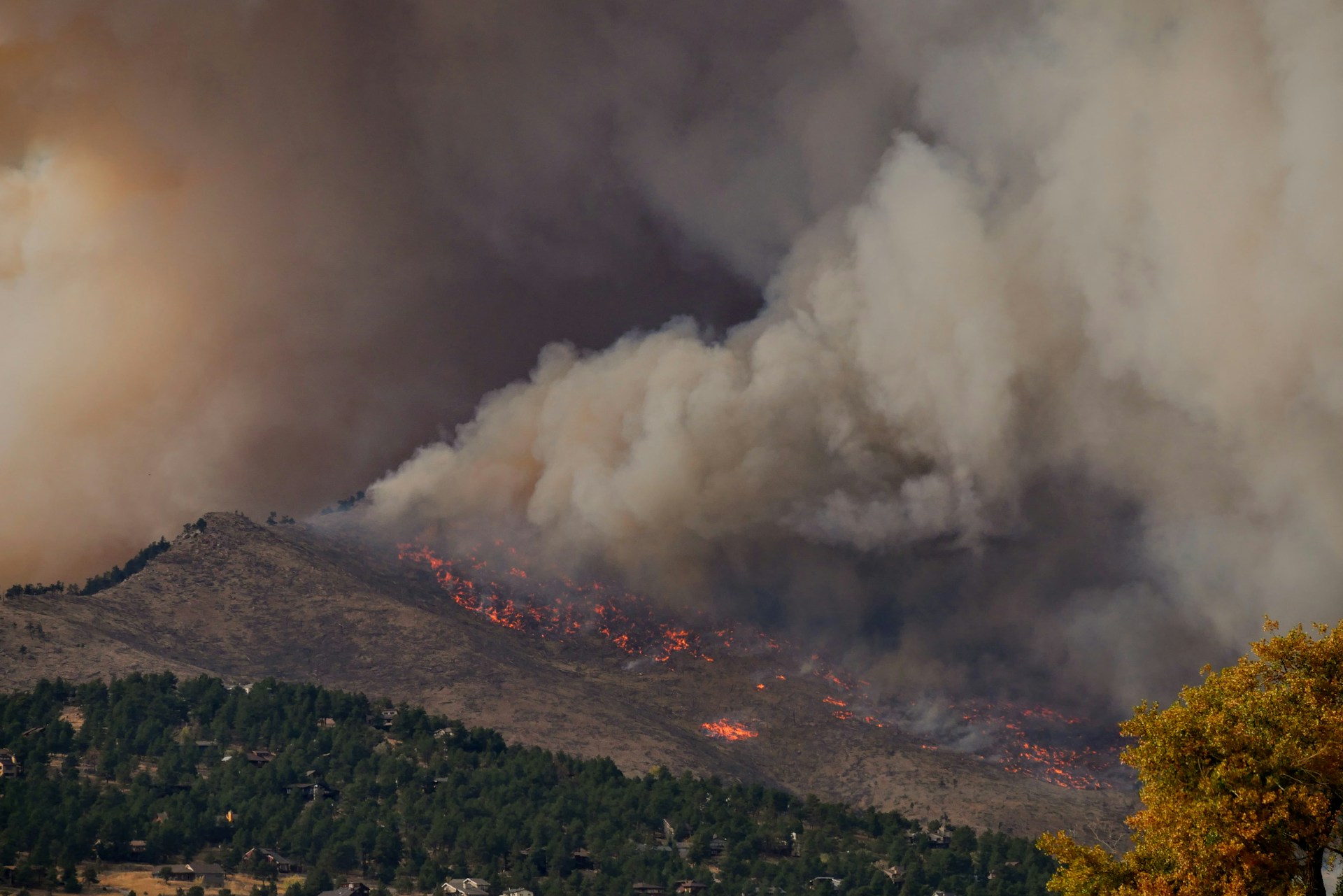
What will convince the voters
in Iowa that wildfires in California
threaten their climate, too,
before the smoke rises so high
it chokes us all?


Jacqueline Jules is the author of Manna in the Morning (Kelsay Books, 2021), Itzhak Perlman’s Broken String, winner of the 2016 Helen Kay Chapbook Prize from Evening Street Press, and Smoke at the Pentagon: Poems to Remember (Bushel & Peck, 2023). Her poetry has appeared in more than 100 publications. Visit her website at www.jacquelinejules.com.

Photo by Malachi Brooks on Unsplash.


A note from Writers Resist
Thank you for reading! If you appreciate creative resistance and would like to support it, you can make a small, medium or large donation to Writers Resist from our Give a Sawbuck page.
Abecedarian for Billionaires

By Chiara Di Lello

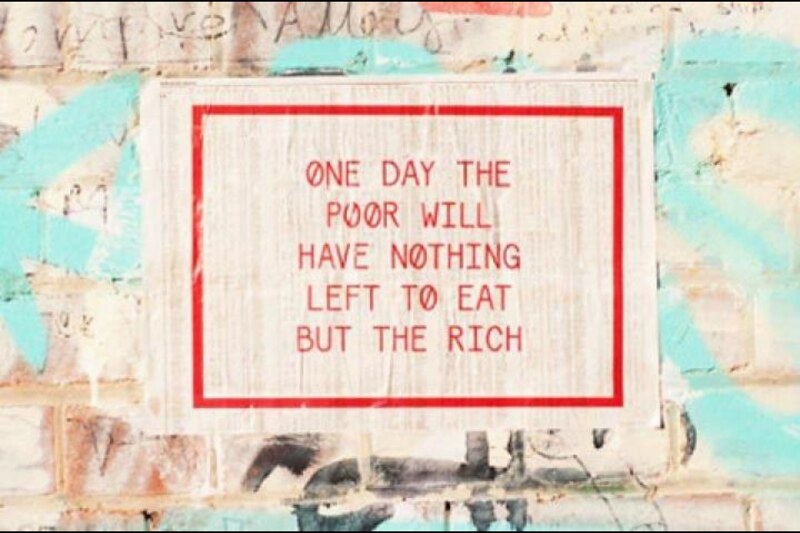
Amazing year for rich people says the headline announcing
billionaires like the latest bumper
crop. Congratulations to the proud capital
daddies drooling over their offspring, as liable to
eat their own in next year’s acquisitions as to
feed their cornflower blue-collared shaven throats.
Go on, clap for them while we dance like bears for
healthcare and an hourly fifteen.
I’m sure TSwift needs it more, and trickle down is
just a matter of time. If only we
knew how to trade stocks
like U.S. senators, beating the
market at every turn, a Congress of
net worths five times the median
of us average Joes
poor saps.
Question: Was it also a good year for
RSV? Pinkeye?
Strep? Malaria? Aren’t they also
tumors on society?
Unlikely. As we know,
viruses only breed themselves, til every other organism is
wiped out of their niche. How many of us will they
X out, come next year? Who knows. Maybe
zillions.


Chiara Di Lello is a writer and educator who loves coffee, art, and bees, and unequivocally supports the movement for Palestinian liberation. Her poems have appeared in Ninth Letter, Okay Donkey, Stanchion Zine, and more. Her works have been nominated for the Pushcart Prize and Best of the Net. Visit her website at necessarymess.wordpress.com and follow her on social media: X @thetinydynamo, Instagram @whereskiwi, and Bluesky @chiaradilello.bsky.social.

Photo credit: Richie Diesterheft via a Creative Commons license.


A note from Writers Resist
Thank you for reading! If you appreciate creative resistance and would like to support it, you can make a small, medium or large donation to Writers Resist from our Give a Sawbuck page.
Grass

By Cheryl Caesar

“I don’t know—I don’t care. Somehow you will fail
Something will defeat you. Life will defeat you.’’
– Winston Smith, 1984

“I am the grass.
Let me work.”
– Carl Sandburg

And there he sits,
or tilts like an officious grasshopper
over the wooden podium.

Face sprayed orange to fake the sun.
Hair shellacked to cheat the wind.

Railing against Marxists and the Green New Deal.
And all the while his mutinous lungs,
refusing to hoard their molecular billions,

are taking in oxygen according to their needs,
and returning carbon dioxide to the best
of their ability, to every blade of grass:
golf course and garbage heap, indifferently.


Cheryl Caesar is a writer, teacher of writing, and a visual artist living in Lansing. She is an associate professor at Michigan State University, and does research and advocacy for culturally-responsive pedagogy. Her chapbook of protest poetry Flatman (Thurston Howl Publications) is available from Amazon. Her collage memoir Snakes and Stones is nearing completion and is looking for a publisher. Cheryl serves as president of the Michigan College English Association and secretary of the Lansing Poetry Club.

Photo by Bradley Feller on Unsplash.


A note from Writers Resist
Thank you for reading! If you appreciate creative resistance and would like to support it, you can make a small, medium or large donation to Writers Resist from our Give a Sawbuck page.
tree : forest :: ad : internet

By Elizabeth Shack

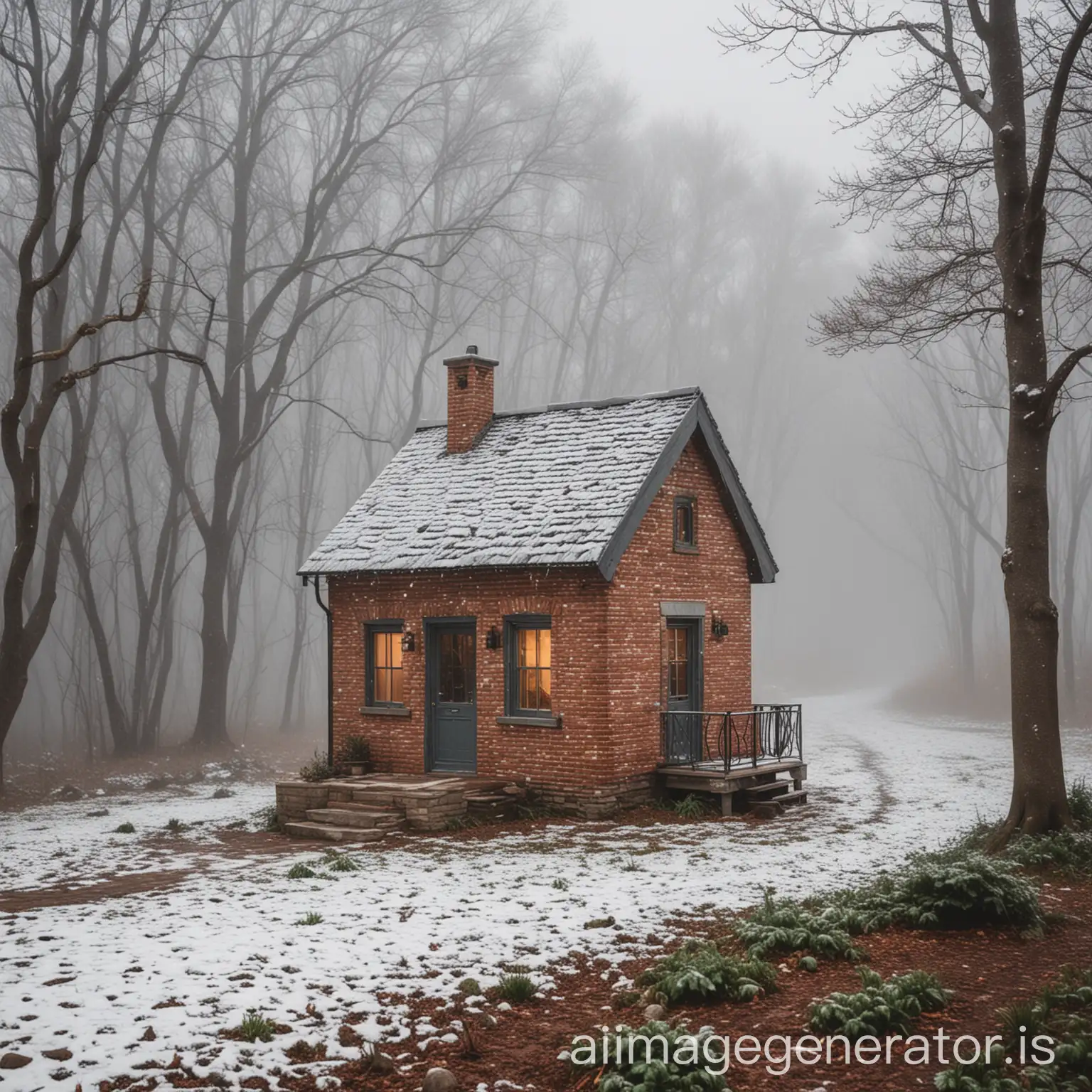
This tiny house boasts sustainability:
energy-efficient electric appliances,
shaded southern windows for leafy sun,
a wood stove for cozy northern nights.

This tiny house is a Facebook ad,
a leaf in an AI-generated photo forest
where an algorithm squirrels seeds of my attention.

I’ve spent more time looking
for DIY backyard forests, urban orchards,
and how to help wild woods migrate north.
This tiny house algorithm ignores my searches.

Its data center used to be a forest.
The algorithm can only compute
trees as objects to build with or to burn.


Elizabeth Shack lives in Central Illinois with her spouse, cat, and an expanding collection of art supplies and gardening tools. Her poetry and fiction have appeared in Writers Resist, Daily Science Fiction, The MacGuffin, Drifting Sands, cattails, and other venues. She attended the Kenyon Review Writers Workshop in 2022 and 2023.

Image is from AI Image Generator under “Fair Use” for commentary.


A note from Writers Resist
Thank you for reading! If you appreciate creative resistance and would like to support it, you can make a small, medium or large donation to Writers Resist from our Give a Sawbuck page.
I Believe Her

By Matthew Donovan

I believe her because
her story gains her nothing.
Some of those she tells
say she’s seeking attention. 
They say she’s ruining
his reputation. 

I believe her because
it happens each day.
And because it’s in me 
to do what she says 
was done.

I believe her because she,
not I—lived it. Those that
cling to power deny it, or
say it’s forgivable
boys’ behavior.

I believe her because
we have it easy—crossing
alleyways and parking
garages; traveling alone
to the restroom. We cover
one another’s lies, even
as doing so ruins lives. 

I believe her because
the wolves inside me
are only sleeping. 


Matthew Donovan (he/him) is a retired, professional firefighter currently working for a local government. He was born and raised in the Bronx, and now lives in Connecticut with his wife Stephanie and their daughters. His poetry has been published in Permafrost, BarBar, Southern Quill, The Seraphic Review, and others.

Photo by Lucy Maude Ellis via a Creative Commons license.


A note from Writers Resist
Thank you for reading! If you appreciate creative resistance and would like to support it, you can make a small, medium or large donation to Writers Resist from our Give a Sawbuck page.
Sisters

By Kate Rogers

            – After Marta Ziemelis                                                                    

My friend, in Canada 12 years,
a citizen now, fled Iran
to let her shining dark curls, fragrant
with coconut oil, flow free
of the restraining cowl
imposed by men unwilling
to incarcerate their own desire.
Her locks tumbling loose
over her shoulders, she chose exile,
yearning to love whomever she wants.

Mahsa Amini, red-lipped,
only a few strands straying
from under her hijab,
skull fractured like an eggshell
by the morality police, blood seeping
from her ears, those velvet doves—
will never be older than 22.

Armita Geravand, her tresses flying
streamers in the subway wind,
a train, Martyr’s Square Metro station, Tehran,
was shoved to the floor out of range
of the security camera. At age 16—
too beautiful and confident to be allowed
to escape beating. A brain-dead coma.

At a poetry reading, my friend introduces
her sister here on a Visitor’s Visa. For now.
She huddles into a heavy winter coat, her uncovered
hair lush as the plumage of the Hoopoe, that bird-guide
from Attar’s poem* who showed the way
to all the avian pilgrims, eager to meet God,
wings unclipped.

* “The Conference of the Birds”


Kate Rogers’ latest poetry collection is The Meaning of Leaving. She won first place in the subTerrain magazine 2023 Lush Triumphant Contest for her suite of poems, “My Mother’s House.” Kate’s poetry also recently appeared in Where Else? An International Hong Kong Poetry Anthology. She has been published in such notable journals as World Literature Today; Cha: An Asian Literary Journal and The Windsor Review. She is a co-director of Art Bar, Toronto’s oldest poetry reading series.

Image credit: Sandra Strait via a Creative Commons license.


A note from Writers Resist
Thank you for reading! If you appreciate creative resistance and would like to support it, you can make a small, medium or large donation to Writers Resist from our Give a Sawbuck page.
Endless War

By Linda Bamber

Cassandra swore there was no Gulf of Tonkin
but of course
no one believed her.
She knew the Trojan Horse was loaded with death
and that there were no WMD’s in Iraq

and if Paris, her brother, stole Helen
Troy would fall
and all its people be enslaved.
Then the Pentagon Papers came out.
Didn’t I . . . ? said Cassandra when people were shocked.

Now infanticide
hostage-taking
retaliation beyond imagination.
Genocide. Starvation. 

Cassandra tears her hair.
Since Balfour’s birth
(frantic, disbelieved)

she’s tried to tell us this
is what would be
from the river to the sea.


Poet’s Note
In classical texts, Cassandra was admired by the god Apollo, who gave her the gift of prophecy. In a different mood, he added the curse that no one would believe her.
The Balfour Declaration of 1917 is generally referenced as the moment when Britain decided it would suit its geo-political interests to establish a Jewish Protectorate in the Middle East.


Linda Bamber is a poet and a Professor of English at Tufts University. Both her poetry collection, Metropolitan Tang, and her fiction collection, Taking What I Like, were published by David R. Godine, Publisher. Widely excerpted and anthologized, her critical book on Shakespeare, Comic Women, Tragic Men: Gender and Genre in Shakespeare, was published by Stanford University Press. Bamber has published in periodicals such as The Harvard Review, The Nation, Ploughshares, The New York Times Book Review, The Kenyon Review, The Florida Review, and The Missouri Review. She is currently writing a novella based on the cross-country expedition of Lewis and Clark. 

Photo credit: “Trojan Horse” by Terra Incognita! via a Creative Commons license.


A note from Writers Resist

Thank you for reading! If you appreciate creative resistance and would like to support it, you can make a small, medium or large donation to Writers Resist from our Give a Sawbuck page.
The Coming

By Craig Kirchner

His wife rushed in looking like she couldn’t breathe.
They’re coming, the man at the gate told me.
They call ahead so he is not an issue. We have an hour.

He printed out all the poems and put them in a box,
buried them in the woods behind the condo,
gave his wife the key and a scribbled map.

When they come, they’ll take the laptop,
so I deleted and scrubbed the best I could.
Don’t lock the door, they’ll just beat it down.

Tell the grandchildren I was just trying to be me.
It wasn’t meant to be disrespectful or unpatriotic,
and that I love them.

If I return and things ever get back to normal,
we’ll dig them up and be careful who we share them with.
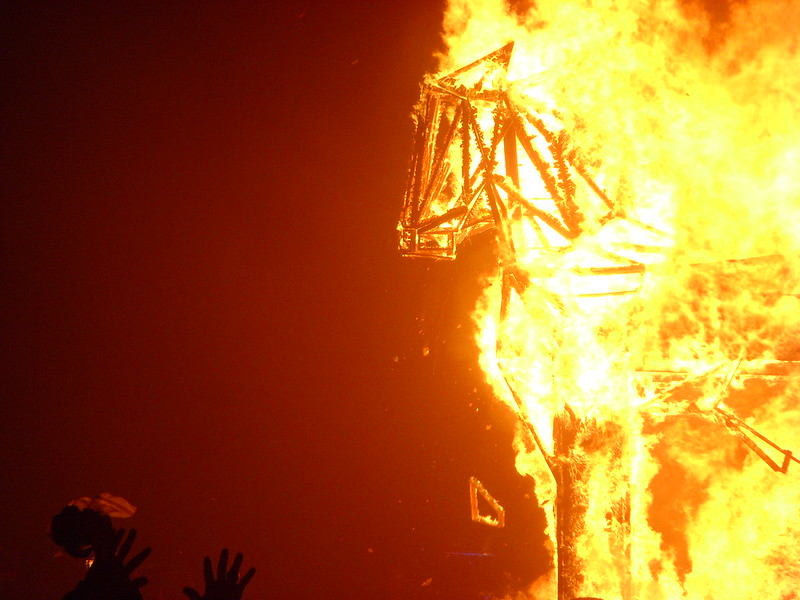
I’ll burn the ones about the camps and the purge.

If I don’t come back, and no one has yet,
you know I have loved you, as much as it is possible to love,
and never meant to ruin your life with my words.


Craig loves storytelling and the aesthetics of the paper and pen. He has had two poems nominated for the Pushcart Prize, and has a published book of poetry, Roomful of Navels. After a hiatus, he was recently published in Decadent Review, Yellow Mama, Chiron Review, The Main Street Rag, and several dozen other journals.

Photo credit: Ralf Steinberger via a Creative Commons license.


A note from Writers Resist
Thank you for reading! If you appreciate creative resistance and would like to support it, you can make a small, medium or large donation to Writers Resist from our Give a Sawbuck page.
Poem in Response to Mass Shooting Number 130 in the United States of America 2023

By Ellen Girardeau Kempler

This poem is a scaffolding
built of assault weapons
& high-capacity magazines
for recurring questions I have,
a terrible structure for hanging
reloadable horrors in bright daylight.

What questions?
you might ask. I’m dumbfounded.
I can’t even

answer, can only instruct you
to remain perfectly quiet & listen—
maybe hide behind/under a desk,
evaluate your escape routes,
hug your friends, text your family,
dial 911, take out your ear buds,
stop talking, notice the sound
of your heart throbbing in time
with the blood still mercifully
coursing through your body.

My questions arise again & again
in sudden gasps, forever-startled
intakes of breath, metallic taste of
bile in my mouth, unanswerable,
mute.


Ellen Girardeau Kempler’s poems have appeared in the DewdropWild Roof JournalTiny Seed Literary JournalNarrative Northeast and many other small presses and anthologies. In 2016, she won Ireland’s Blackwater International Poetry Prize and honorable mention in Winning Writers’ Tom Howard/Margaret Reid Poetry Contest. Called “a timely and powerful selection of climate poetics,” her chapbook, Thirty Views of a Changing World: Haiku + Photos, was published in December 2017 by Finishing Line Press. Her next chapbook,  Fire in my Head, Flame in My Heart: Poems of the Pyrocene, is forthcoming from Kelsay Books in 2025.

Photo credit: Stephen Melkisethian via a Creative Commons license.


A note from Writers Resist
Thank you for reading! If you appreciate creative resistance and would like to support it, you can make a small, medium or large donation to Writers Resist from our Give a Sawbuck page.