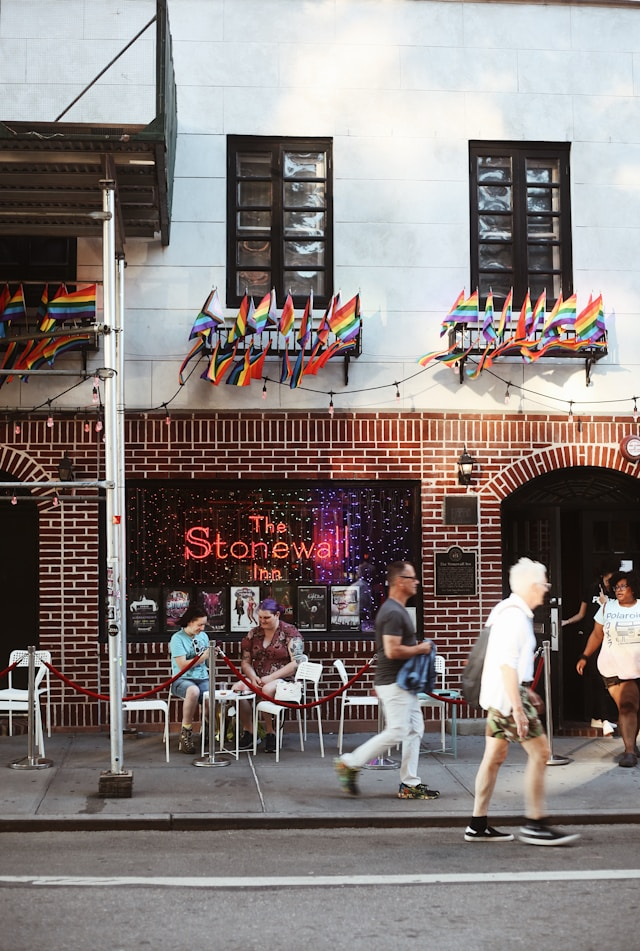
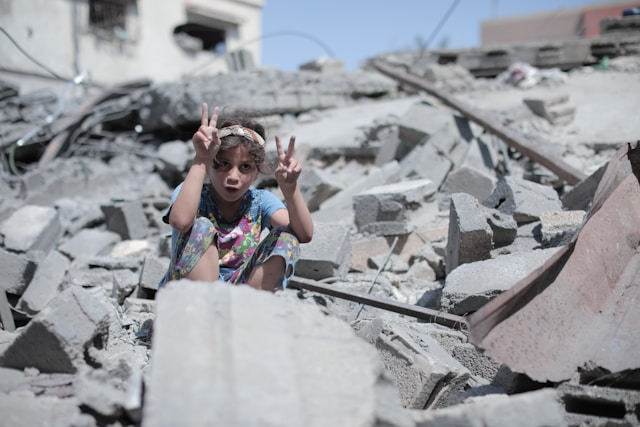
Photography by M.R. Mandell

Upper photograph: “America”

Lower photograph: “Bus Stop”


M.R. Mandell is a poet based in Los Angeles. You can find her words in SWWIM, The McNeese Review, HAD, Writers Resist, and others. She is the author of two chapbooks, “Don’t Worry About Me” (Bottlecap Press) and “The Last Girl” (Finishing Line Press). She is a 2024 Pushcart nominee.


A note from Writers Resist
Thank you for reading! If you appreciate creative resistance and would like to support it, you can make a small, medium or large donation to Writers Resist on our Give a Sawbuck page.

Divertissement

By Candice M. Kelsey

                        I run the country and the world. –Donald Trump

Not only able to make guards bend
to her will, she also brings Creon slow madness
with one swoop of her wand. A seduction
at the end of Act IV from Charpentier’s opera,
triumphant scene from Eurpides’ Medea
where royal henchmen fall to a woman, powerful
and no longer pleading. Creon’s loyal guards
transformed into female dancers seizing the king, Médée
premiered in Paris as trials for witchcraft
raged across the Atlantic. On stage, the actress
makes a costume change, slips off her gown and stands
in Sorceress black, hair and make-up primed
for vengeance. More enchantment than distraction.
A banished woman never loses everything,
but dark waters of the Styx always betray a king.


Candice M. Kelsey (she/her) is a poet and educator living in both L.A. and Georgia. She’s developed a taste for life’s absurd glow, long skirts, and juicy opera podcasts. She roasts vegetables like it’s a sacred ritual and wears mostly black because her late father-in-law said it’s not her color. Somehow her work has received Pushcart and Best-of-the-Net nominations, and she woke up one day as the author of eight books. Please acknowledge her existence @Feed_Me_Poetry or www.candicemkelseypoet.com.

Photo by Chema via a Creative Commons license.


A note from Writers Resist
Thank you for reading! If you appreciate creative resistance and would like to support it, you can make a small, medium or large donation to Writers Resist on our Give a Sawbuck page.

Week One

By Christine Junge 

A rally the night before the inauguration is “laced with exaggerations and outright falsehoods.”*

I come home from a weekend away to find water leaking out the side of our house. Inside, water is pooling beneath the dishwasher. One more thing that’s falling apart.

An executive order instructs the government to end birthright citizenship. This constitutionally protected right says that children who are born on U.S. soil are citizens, even if their parents are not. The order is an attempt to rewrite our country’s founding document. I can only assume it won’t be the last.

I get a massage. Even though they have been prescribed to me for chronic pain, spa services feel indulgent at the best of times. Now? I spend the whole time thinking about the Mexican-American family I used to volunteer with. I have no idea about their immigration status. 

How one of the police officers attacked on January sixth describes the pardoning of 1,600 January 6 rioters: “A miscarriage of justice, a betrayal, a mockery, and a desecration of the men and women that risked their lives defending our democracy.”*

My four-year-old son gets sent home from school with a fever. I have to cancel my doctor’s appointment, a lunch with a dear friend, my writing time, and the hour I would have spent scouring various newspapers and listening to NPR. Maybe this last piece isn’t a bad thing? I’m exhausted. It’s still day one. 

“Mr. Musk, the world’s richest man, now has full command of the federal cost-cutting effort, which Mr. Trump has hailed as ‘potentially, ‘The Manhattan Project’ of our time.’”*

A handyman diagnoses our dishwasher leak as a faulty valve. Turns out the part is on backorder for months. A few weeks ago, I would have complained about this inconvenience. Now, I research McCarthyism, Nixon. 

“Federal workers ordered to report on colleagues over D.E.I. crackdown.”*

I come to enjoy washing dishes, the warm water on my hands, the smell of soap, the ping of the water as it drips out of the drainboard into the sink. I guess I can get used to anything. Well, hopefully not. 

“Even more than in his first term, President Trump has mounted a fundamental challenge to the norms and expectations of what a president can and should do. . . He intends to test the outer limits of what he can get away with.”*

I get trained to teach ESL. When I signed up, it felt like it would be a rewarding volunteer project. Now, doing something, anything, to help others feels urgent.

“No matter how small, quiet, or private the expression, art can move the needle in fighting for our collective freedom.”*

I read about art as resistance. I write this poem.

*Quoted from the New York Times


Christine Junge is a writer living in California, by way of Massachusetts and New York. She is currently working on a novel about grief, art, and the question of how well we really know those we love. 

Photo credit: Photo by George Pagan III on Unsplash.


A note from Writers Resist
Thank you for reading! If you appreciate creative resistance and would like to support it, you can make a small, medium or large donation to Writers Resist on our Give a Sawbuck page.
The Ministry of Truth

By Tara Campbell

The Ministry says it’s no joke: today
I broke the law. I was too woke today.

They claim I denigrated our great land.
Its sacred trust is what I broke today.

They feel it would be harmful to allow
my words to reach the common folk today.

They say I poked too roughly at our nation’s
history, fragile as a yolk today.

My only crime was pointing out the flames:
the Constitution’s up in smoke today.


Tara Campbell (www.taracampbell.com) is a writer, teacher, Kimbilio Fellow, and fiction co-editor at Barrelhouse. She teaches flash and speculative fiction, and is the author of two novels, two hybrid collections, and two short story collections. Her sixth book, City of Dancing Gargoyles (SFWP), was a finalist for the 2025 Philip K. Dick Award, and listed in Reactor Magazine’s “Best Books of 2024” and Locus and SFWA’s Recommended Reading.

Photo credit: Thomas Hawk via a Creative Commons license.


A note from Writers Resist
Thank you for reading! If you appreciate creative resistance and would like to support it, you can make a small, medium or large donation to Writers Resist on our Give a Sawbuck page.
The Revolution Will Wear Sneakers

By Sabyasachi Roy

they said revolution
would thunder in cavalry boots—
epic, unmissable, majestic.

we’ll come instead in well-worn sneakers,
laces neon against cracked pavement,
soles worn skinny from marching
every forgotten block.

our plans won’t fit in tidy briefs—
they’ll be scrawled on café napkins,
between kombucha sips and sideways glances,
doodles of fists, flowers, flame.

we’ll scent the barricades with jasmine,
our battle-cries a rising laughter
that shatters the sleep of tyrants.

they’ll wait for cannon fire—
we’ll greet them with tomorrow’s dawn
in shoes built for the long haul,
ready to outwalk their fear.

this is how we win:
one bold step, one shared grin,
one sneaker-stamp echo
that outlasts their thunder.


Sabyasachi Roy is an academic writer, poet, artist, and photographer. His poetry has appeared in The Broken Spine, Stand, Poetry Salzburg Review, Dicey Brown, The Potomac, and more. He contributes craft essays to Authors Publish and has a cover image in Sanctuary Asia. His oil paintings have been published in The Hooghly Review. You can follow his writing on Matador here and his photography and paintings here.

Photo credit: Jason Tester via a Creative Common license


A note from Writers Resist
Thank you for reading! If you appreciate creative resistance and would like to support it, you can make a small, medium or large donation to Writers Resist on our Give a Sawbuck page.
Two Poems by Maryam, Illustrated by Narwan

More Than a Thousand Days Without School

For the last time,I heard my school’s ring,
the melody that runs us toward growth.
For the last time, I sat in its chair,
the chair that helps me achieve my goals.
For the last time, I travelled by my teacher’s teaching
to discover the wonders of the earth and the sky.
For the last time, I sang on its stage,
for freedom and peace.

Since then, I’ve been caged in four walls of my home,
for more than a thousand days.
I gaze at my school’s uniform
hanging on my bed,
not putting it in the closet,
hoping one day I could go to school.
I remember the last day
at my school.
Everyone congratulated me for upgrading to 7th grade.
My scores shone on my result sheet,
but my eyes had blood crying.
Instead of being happy and celebrating my upgrade,
I mourned for it, wished to be failed,
so, one more time, I could go to the dream world.
The monsters had banned the dreams
for girls beyond the sixth grade.

They could close the doors of dreams,
but not those of my mind.
They are frightened of my pen,
because it’s stronger than their guns.
My pen is my weapon
against their guns.

Dear World, Dear Humans, Why Are You Silent?

We are collapsing in the unfairness of their ignorance.
We are locked in the cage of their selfishness.
They bury us while we are alive.
We are dying under the stone of their torture.
Our wings are clipped, our pens are broken,
our freedom is lost, our dreams are burnt. . .
In the quiet stillness, the world watches our gradual death.

Dear world, could you hear our plea?
Could you tell me where human rights are?
Or are we the exceptions to that?
Dear world, is it too much we ask for?
Our classroom symbolized our hope,
the blackboard, the chalk that whispers our dreams
Our uniform: black dress and white scarf that express our piety.
Dear humans, is it too much we ask for?
To not clip our wings, not break our pens?
To not bury, to live; is it too much we ask for?
Dear world, dear humans, why are you silent?


Maryam is a young Afghan poet and writer who weaves words into resistance. Her voice rises from a land where silence is survival, yet she dares to speak of lost childhoods, of girls without schools, of the unheard. Through her poetry, Maryam carries grief and hope, and creates light where darkness insists.

Narwan, creator of “Girls Not Permitted,” is a 13-year-old Afghan artist who speaks through her pencil what many cannot say out loud. Her drawing reflects hidden pains, quiet strength, resilience, and unshakable dreams of girls in a world that silences them. With simple lines, she tells powerful stories.

I’m Afraid There’s Something Wrong with Mr. Prescott

By Ron Burch

He started wearing 18th century clothing, donning a coat, waistcoat, and breeches. The breeches, with buttons down the side, went over his silk stockings. His shoes were rounded at the toes with low heels, the tongues fastened with large buckles. He had adopted a long riding duster that cut low past his knees, and around his shoulders sat a triple cape. Ruffles of lace appeared from under his coat at his wrists, along with a jabot on the front of his white shirt. Adorning his wrinkled head, for Mr. Prescott was in his 70s and bald, perched a powdered white wig, the back bound in a pigtail. On top of that, when he ventured out he wore a round-crown felt hat with a broad brim. In his right hand, he carried a heavy ornate cane, which he shook at people when he was annoyed.

He also sold his car and purchased a large brown horse and saddle. He stabled the stallion in his garage against the HOA rules for our neighborhood, a suburb built in the 1960s, and his adjoining neighbor threatened to call the city and complain.

Mr. Prescott waved his cane at Gary, promising to thrash him.

Several of the neighbors were annoyed because his horse, which he named Privilege, had shit all over the streets where the kids usually played, and it was, honestly, everywhere.

Last Saturday, while our neighbor Dr. Lowry mowed his front yard, Mr. Prescott emerged from his house, wig intact but with no coat or waist coat, and demanded the doctor, a person of color, mow Prescott’s yard and repaint his house “as was his duty.”

Luckily, I was able to intercede before Dr. Lowry—beloved neighbor, well-known heart surgeon, and former college football line tackle—physically removed Mr. Prescott from his front yard. At the next HOA meeting, a petition signed by almost all the homeowners was submitted requesting that the Prescotts move out of our neighborhood due to the inappropriate behavior with Dr. Lowry. From the back of the room, Mr. Prescott stood, in full regalia, and accused the rest of us of “TYRANNY!” and ignorant of “the natural order of the world.”

After he stormed out—attempting to break a chair on the way, but being plastic, it only bounced—the HOA approached Dr. Doris Hinshaw, the therapist who lived the next block over, and offered to pay for her for a session with Mr. Prescott. Dr. Hinshaw declined saying that last week Prescott verbally assaulted her as a “whore and slattern” because she was not covering her head while at the grocery store and was not accompanied by a male guardian.

Mr. Prescott filed a lawsuit against our suburban community, Wind Hollows, claiming that since he was one of the original and still living purchasers of land in our neighborhood, the suburb belonged to him, “given his God-given right as a white male in our country.” His lawsuit also stated that the rest of us, his neighbors, were really his indentured servants who should be working the land at his behest, and he added two sheep to his garage barn.

The sheep took to wandering the neighborhood. They ate Mrs. Jenkins’s roses, and when she said she was going to sue him, Mr. Prescott threatened to have stocks built at the empty corner of Solace Street and Happy Drive to incarcerate her for public shame.

After Mr. Prescott rode Privilege to work (his office building is only a few blocks away where he is an accountant), my wife, Polly, visited Mrs. Prescott, who had been notably absent from the goings-on. She had been reduced to wearing a bodice and skirt with wooden clogs and her gray hair powdered white and covered by a cloth. Forced by her husband to give up her job—she had been the manager of our local library branch—she now gardened and fretting how poorly their plants were coming up. Even more worrisome, her husband expected her to turn their sheep into dinner courses.

Polly said Mrs. Prescott cried almost the entire visit, and my wife noticed that the tears washed away her white make-up, revealing a large bruise on her face, which she claimed an accident from walking into a door. She offered Polly some homemade jelly Mr. Prescott insisted she make from berries he’d found near their pool. When Mrs. Prescott could not name the type of berries, Polly politely passed and returned home.

Concerned about Mrs. Prescott’s safety, she called the police who came out but didn’t do anything, even after all the complaints, the threats Mr. Prescott had made, his wandering farm animals, and the concern that his mental faculties might be impaired. They said he was probably having a bad couple of weeks, and, even with Mrs. Prescott’s bruise, they declined to take any action.

Things were quiet for about a week. Mr. Prescott wasn’t seen riding Privilege to the office, and all the horse shit on the street was old. Then one night after supper, there was a tremendous crash outside, which brought out all the neighbors. Mr. Prescott’s horse had kicked his way out of the closed garage, breaking the door, freeing both him and the sheep. We discovered that the animals had no food or water as evidenced by the three of them simultaneously drinking out of Mrs. Jenkins’s birdbath. It was decided to try the authorities again, and the bodies of Mr. and Mrs. Prescott were discovered at their dining table, the remnants of Mrs. Prescott’s half-eaten berry jelly staining both their dinner plates and their stiff mouths.

The house sold to a nice family, after the Prescott’s kids removed everything except the historical clothing—put out front with the garbage.


Ron Burch’s fiction has been published in numerous literary journals including South Dakota Review, Fiction International, Mississippi Review, and New Flash Fiction, and it has been nominated for the Pushcart Prize and other awards. His last novel, JDP, was published by BlazeVOX Books. He earned his MFA from Antioch University Los Angeles.

Photo credit: Photo by Shahabudin Ibragimov on Unsplash.


A note from Writers Resist
Thank you for reading! If you appreciate creative resistance and would like to support it, you can make a small, medium or large donation to Writers Resist on our Give a Sawbuck page.
They Tell Us

By Dawn Tasaka Steffler

I

Wait until buyer’s remorse sets in
Wait until it hurts the farmers
Until it hurts the veterans
Until the social security checks stop coming
Until they take away birthright citizenship
Until they take away freedom of speech
Until they take away the vote from women
Until another pandemic rears its head and hundreds of thousands die again

Whispers circulate
But what if we don’t want to wait?
Where are the protests?
What are we so afraid of?

Actually we are very afraid
We only act brave

II

They tell us we are the sleeping bear
And you know what they say
You don’t want to poke a sleeping bear

And one of us asks in a clear young voice
Why don’t we want to poke the bear?
If we wake the sleeping bear won’t the nightmare end?
Everyone nods their heads in agreement

They tell us
No, we’re going to roll over and play dead

Wait, are we a sleeping bear or a dead bear?

III

They tell us wait until the midterms
If they want to hang themselves give them plenty of rope
Don’t stand in the way of the process

Perplexed we look to our left and our right
to the person standing next to us

One of us whispers
I don’t think they know what they’re doing
This has never happened before

Ah- but it has
another one of us whispers
Just not here


Dawn Tasaka Steffler (she/her) is an Asian-American writer from Hawaii who lives in the San Francisco Bay Area. She was a Smokelong Quarterly Emerging Writer Fellow, winner of the Bath Flash Fiction Award, and was selected for both the 2024 Wigleaf Top 50 long list and 2025 Best Small Fictions. Her stories appear in Pithead Chapel, Fractured Lit, Moon City Review, The Forge, JMWW, and more. She is working on a novella-in-flash that explores the challenges and joys of parenting queer kids. Find her online at dawntasakasteffler.com and on X, BlueSky and Instagram @dawnsteffler.

Photo credit: Ged Carroll via a Creative Commons license.


A note from Writers Resist
Thank you for reading! If you appreciate creative resistance and would like to support it, you can make a small, medium or large donation to Writers Resist on our Give a Sawbuck page.
NOPE

By Alina Zollfrank

I’m an app balker. Proof?
            You can do this on your cell phone,
eager salespeople soothe
                        and I, I refuse –
            Just check in on your screen,
the medical clinic suggests
            and I, I walk right in and demand
                        the eye contact that’s owed –
            It’s easy to transfer funds this way,
pesters my credit union,
            and I, I stash wadded cash
            to the tune of no one –
                        But that’s how we do attendance,
school staff bristle
            and I ink-scribble my autograph –

                        My rebel smile so wide
            I can taste the earwax.

The willful ocean wave has one job to do
and so do I. An orca in a clownfish-
schooled sea. An app balker in this,
this land of feigned connect – I forge
communion. Drummed lone morse code
washes away the unnecessary –

            My smacking flukes d/i/s/r/u/p/t


Alina Zollfrank dreams trilingually in the Pacific Northwest. She believes artists and writers are humanity’s true pulse, social media might just kill our essence, and produce should be shared with neighbors. Her work has been nominated for Best of the Net and The Pushcart Prize and recently appeared in Orchards Poetry Journal, Heimat Review, SAND, Eastern Iowa Review, Sierra Nevada Review, Tipton Poetry Journal, Comstock Review, The Braided Way, and others. Alina is a grateful recipient of the 2024 Washington Artist Trust Grant and committed disability advocate.

Photo credit: Amit Gupta via a Creative Commons license.


A note from Writers Resist
Thank you for reading! If you appreciate creative resistance and would like to support it, you can make a small, medium or large donation to Writers Resist on our Give a Sawbuck page.

Now Your True Life Begins

By Claudia Wair                                                                                                              

It’s dark early morning when they take you out of your cell at the county jail. They lead you to a waiting bus, full of other prisoners. The detainees are all Black, like you. Everyone here has been charged with the same crime: taking a white man’s job.

The people on the bus are quiet. Some sleep, others stare with frightened eyes out the windows. Your destination is the State Re-education Camp.

At your trial, you argued that your job as a writer was unique. No white man could write the same words. But the judge laughed and said, Your words don’t matter. Then he banned your books, made you watch as they burned.

It’s late morning when you arrive at the camp and the sun is already hot on your skin. The guards separate the women from the men. You join the line of women and are led to a bunkhouse that smells of old sweat. When the guards leave, everyone introduces themselves: doctors, lawyers, college professors. You feel insignificant with your master’s degree in English literature. When it’s your turn, you say I’m a writer. They burned my books, scrubbed me from the internet. The women shake their heads, suck their teeth in sympathy.

Silence descends when your Instructor enters, a white woman with a cruel sneer. Forget your past lives, she says. Now, your true lives begin. The lives you should have always led.

You’re told that here you will learn to be subservient to white people. That you will learn to love serving them. You know this isn’t true.

During the months of your incarceration, you endure beatings, forced labor, sleep deprivation. You survive it all. Not everyone does.

They humiliate you. They try to make you believe you are less.

They fail.

One day, without explanation, they release you to a halfway house in a strange city. You vow to never lift a finger to serve them. This will lead to prison—or worse—so you run.

You pass yourself off as an Unemployable. You sleep in a hard-to-find corner of an abandoned building, get donations of food and supplies from church basements. You trade secondhand clothes for basic survival gear. You buy information with fresh fruit. Then you set off for the mountains.

You’re chasing whispers and rumors. You follow hand-drawn maps. You stop at secret safehouses, get help from unlikely sources.

By some miracle, you evade the Race Police and the Nazi militias. A Black truck driver stops along the highway and gives you a ride out of the state. You could both go to prison for this. He accepts the risk and muses about following you one day.

After weeks of hiking in the mountains alone, you find the Free People. Your joy at seeing healthy Black and brown faces nearly breaks you. After you recover from your journey, you join the others growing food on the community’s farm. You teach the children using banned literature and history books.

Soon, you are almost yourself again.

The Free People remember your writing. They give you pen and paper and ask you to tell your story. You tell your story. You tell all the stories. One day, you swear, the world will read them.

The community is growing. White allies bring supplies when they can. Clothes, tools, guns.

You learn how to defend your new home. Cradling your rifle, you scan the shadowy forest for intruders. You wonder how you’d acquit yourself if faced with the people who deny your humanity. The people who tried to break you. The people who took your old life away.  

A grim smile crosses your face. Because you know what you’ve lost. Because you know what the world has lost.

Your jaw tightens, your blood burns, and part of you aches for the chance to make someone pay. You are fueled by rage and sorrow and just enough hope to keep going. Enough to aim the rifle and pull the trigger.


Claudia Wair is a Black writer living in Virginia. Her fiction has been nominated for the Pushcart Prize, Best Microfiction, Best of the Net, and Best Small Fictions. Her work has appeared in Pithead Chapel, Astrolabe, Writers Resist, JMWW, and elsewhere. She can be found at claudiawair.com or on Bluesky @CWTellsTales.bsky.social

Mural by Ashley Cathey, at Hartford Hall, Jefferson Technical and Community College, Louisville, Kentucky.

Photo credit: Don Sniegowski via a Creative Commons license.


A note from Writers Resist
Thank you for reading! If you appreciate creative resistance and would like to support it, you can make a small, medium or large donation to Writers Resist on our Give a Sawbuck page.
The Moment

By Zoey Knowlton

I followed you to your car
            he says
To tell you that I think you’re hot
beautiful
            he corrects

A stammer of thanks

Inside, I am
            beaming
            validated female
            affirmed trans woman

Later, the what if
            creeps,
      slinking through
                        the euphoria

What if
            he hurt
            he grabbed
            he         persisted

I tell my story to
            a room full of
                        women
They nod, understanding
            too well

Welcome to us
            to the sisterhood
            to femininity
            to existence


Zoey Knowlton (she/her) is a transgender author who lives amidst the redwoods in the Pacific Northwest. By day, she is a Health Educator who works with at-risk teenagers and young adults. By night, she reads, she writes, and she spends time with her wife and children. As a woman in recovery and transitioning, Zoey enjoys exploring the themes of change, progress, and uncertainty in her writing.

Photo credit: Photo by Nicolas Spehler on Unsplash.


A note from Writers Resist
Thank you for reading! If you appreciate creative resistance and would like to support it, you can make a small, medium or large donation to Writers Resist on our Give a Sawbuck page.
Mad Libs Drinking Game

By Anna Kiggins

Game rules: replace nouns with alcoholic beverages in Trump’s infamous January 6th speech à la the classic children’s game.

Media will not show the magnitude
of this Kentucky bourbon. Even I
when I turned today, I looked, and I
saw thousands of Kentucky bourbons
here. But you don’t see hundreds of thousands
of Kentucky bourbons behind you because
they don’t want to show that!

All of us here today do not want to see
our moonshine stolen by emboldened radical left
Democrats, which is what they’re doing.
And stolen by the fake news media. That’s what they’ve done
and what they’re doing. We will never give up, we will never
concede. It doesn’t happen. You don’t concede
when there’s moonshine involved.

We will not let them silence
your old fashioned. We’re not
going to let it happen, I’m
not going to let it happen.
(Audience chants: “fight for old fashioned!”)

We’re gathered together in the heart
of our nation’s capital for one very, very basic
and simple reason: to save our Moscow mules.
We want to go back and we want to get this right
because we’re going to have somebody in there
that should not be in there and our Moscow mules
will be destroyed and we’re not going to stand for that!

The weak whiskey, and that’s it. I really believe it.
I think I’m going to use the term, the weak whiskey.
You’ve got a lot of them. And you got a lot of great ones.
But you got a lot of weak ones.

And then late in the evening
or early in the morning, boom
these explosions of hot toddies!
And all of a sudden,
all of a sudden it started
to happen.
(Audience chants: “hot toddies!”)

And you know what else?
We don’t have a free and fair gimlet.
Our gimlet is not free,
it’s not fair. It suppresses thought, it suppresses speech
and it’s become the enemy of the people.
It’s the biggest problem we have in this country.

And after this, we’re going to walk down,
and I’ll be there with you,
we’re going to walk down,
we’re going to walk down

because you’ll never take back our White Russians
with weakness. You have to show strength,
and you have to be strong.

I’d fight, they’d fight. Pop pop. You’d believe me,
you’d believe them. Margaritas come out.
You know, margaritas had their point of view,
I had my point of view, but you’d have
an argument.

I now realize how good it was
if you go back ten years, I realized
how good, even though I didn’t necessarily love
them, I realized how good.
It was like a cleansing shot of Everclear, right?

You will have an illegitimate screwdriver.
That’s what you’ll have. And we can’t let that happen.

With your help over the last four years,
we built the greatest mint julep in the history
of our country and nobody even challenges that.            

And again, most people would stand there
at 9 o’clock in the evening and say
I want to thank you very much,
and they go off
to some other life.
But I said something’s wrong here,
something is really wrong,

and we fight—we fight like hell.
And if you don’t fight like hell,
you’re not going to have tequila sunrises anymore.

I want to thank you all. God bless you and God bless
sex on the beach.


Anna Kiggins writes poems, essays, and hybrid works. She recently earned an MFA in creative writing from Hollins University. Her poetry can be found in Puerto del Sol, The Basilisk Tree, AvantAppalachia, and The Brussels Review. Her reviews can be found in The Hollins Critic. She lives in Tulsa, Oklahoma, and works in behavioral health.

Photo credit: Steven Miller via a Creative Commons license.


A note from Writers Resist
Thank you for reading! If you appreciate creative resistance and would like to support it, you can make a small, medium or large donation to Writers Resist on our Give a Sawbuck page.
Mask Gleaners by Donald Patten

Artist’s Statement

Almost overnight, COVID-19 had changed the way people interact with each other, and with our own bodies. We lived our lives in vulnerability during that historically significant time of disaster. The initial phases of the pandemic are behind us, but the virus remains and continues to be dangerous. The societal trauma this pandemic has caused will be remembered and felt by those who have lived through it for the foreseeable future.

In the past, master painters would depict historically significant disasters that happened to them as a way to cope. Artists of the 19th century depicted hardships and trauma in the wake of the Industrial Revolution, which began the formation of our modern world. As an artist learning the techniques of masters, I have the opportunity to create long-lasting visual information that depicts the trauma of this pandemic.

Therefore, I have created a series of drawings that represent my experiences in modern COVID life by drawing inspiration from past masterpieces that depict the embodied experience of trauma. This drawing is inspired by the oil painting Gleaners made by Jean-François Milletin 1857. Gleaners symbolizes the hardship peasants experienced in rural France surviving on gleaned grain after massive industrial farms take the majority of the harvested crops, leaving scraps for the old and poor. During the pandemic disposable face masks were common litter people would throw them away after using them. It was very common to see masks on the ground as trash. My drawing Mask Gleaners emphasizes how ubiquitous face masks were as litter, critiquing how our society disregarded masks as disposable trash, while they provided an important function to help prevent the spread of COVID.


Donald Patten is an artist and cartoonist from Belfast, Maine. He creates oil paintings, illustrations, ceramics and graphic novels. His art has been exhibited in galleries throughout Maine. To view his online portfolio, visit @donald.patten on Instagram.


A note from Writers Resist
Thank you for reading! If you appreciate creative resistance and would like to support it, you can make a small, medium or large donation to Writers Resist on our Give a Sawbuck page.

The Heron

By Sam Rafferty

Sunset was approaching when the birdwatcher kayaked deep into the swamp. She hid behind shrubs, which offered a full view of the cypress trees where several herons would soon arrive to roost for the night. The trees reminded the birdwatcher of the uncomfortable debutante balls of her youth. Their roots spread into the water like bell-shaped skirts, and Spanish moss hung from their branches like ringlets of aerosol-laden hair. Her skin still itched at the thought of the crinoline brushing her thighs while she paraded around the ballroom with a flock of other young girls, all whirring in white satin, watched by middle-aged men.

When the breeze blew past her, the birdwatcher shivered and reached for the jacket at her feet. She put it over her shoulders, marveling at how the thick flannel still smelled like her ex-husband, a mix of cheap shampoo and hand-rolled cigarettes. She remembered with a pang that today was Thanksgiving, and he was probably smoking those same cigarettes on the porch of his new home. His new wife was likely inside making a sweet potato casserole they would consider a vegetable despite the marshmallow crust on top. His new kids were probably running around the house, throwing a football that should have made its way outside.

Before the divorce, the birdwatcher and her husband had endured quiet holidays with no children playing and no extended family nearby. Their only guest was the specter of unspoken tension over the question of offspring. Like a heron exchanging sticks with his chosen mate, he had gone through elaborate courtship rituals, preparing to pass on his genetic material through the fertile body of the female before him, only to find that her body was not so fertile, and worse still, that her will was not so bent toward the development of progeny. He had seethed in his disappointment, accusing her of “giving up.” What the birdwatcher had done, however, was notice that she felt no longing to share the high-pitched “sweet-sweet” of the warbler with a child at her heels. She had no desire to hover over a squawking brood in a perfectly crafted nest. Her desires bent instead toward a quiet solitude that motherhood could never provide.

The sun sank lower, leaving an orange haze over the canopy. The birdwatcher sat still in the kayak, breathless, waiting for the loud, shrill cry of a heron. A large group of squawking ibis flew overhead, chaotic white feathers clouding the sky. The birdwatcher held some disdain toward ibis for the way they constantly congregated, digging in the mud with their downturned bills. Ibis held no great love for silence, stillness, or solitude. Herons, on the other hand, were solitary visual hunters, waiting patiently, watching, then striking their prey at the most opportune moment.

Soon, the herons began to fly overhead, coming slowly, one at a time. Their wide wings spread over her, temporarily blocking out what was left of the day’s sunlight. They settled in the branches, grouped in pairs, spread out among the trees. The birdwatcher noticed one heron set apart from the others. It was relatively small, likely a female. She seemed agitated, head turning side to side as if watching for a predator to emerge. The birdwatcher wondered if the heron had been hurt in some way. Though they were once endangered, reduced to hat feathers by opportunistic hunters, herons were protected from humans now, at least in theory. She fixed her binoculars on the bird’s yellow eyes, and it seemed to stare back at her. The birdwatcher saw her own isolation and her fierce desire for freedom reflected in the heron’s gaze. There they stayed, two solitary beings contemplating one another while dusk fell over the swamp.

Darkness thickened, and the birdwatcher felt a need to get back to the warmth and safety of her car. Putting on a headlamp, she began to paddle. Occasionally, she would see alligator eyes peering out of the water at her, shining like the headlights of beastly cars that hid beneath the surface of the black water. The sounds of night assailed her ears: croaking frogs, the hooting “Who cooks for you?” of the barred owl, raccoons scampering over leaves on the banks, the wingbeats of bats overhead.

The birdwatcher’s body warmed as she paddled, or maybe, she thought, this was another flash of heat announcing her imminent transition to crone. When she paused to remove her flannel coat, she felt an eerie sense of being watched, eyes taking in the shape of her shoulders, the curve of her neck, the movement of her hands.

Gazing around, she could not see anything unusual within the radius of her headlamp’s glow. She continued paddling, faster, but taking care not to become frantic. After a few interminable minutes, the birdwatcher was nearly at the dock, which was only a short hike through the woods away from her car. She heard a loud screech as wide wings deepened the darkness over her head. She jumped at the sound, and the paddle slipped from her hands.

Instinctively, she reached for the handle as it sank into the black water, barely grasping the end before it drifted away. She began to paddle again, then shuddered, realizing how foolish she had been to reach her arm into the water where so many predators lay waiting to sink their teeth into vulnerable flesh.

The birdwatcher felt relieved when she pulled up to the dock. Stepping on the warped wooden boards, she leaned over to hoist the kayak up. Then she heard another paddle slapping the water. She peered out, straining her eyes to take in the surroundings illuminated by her headlamp. She could see no one, so she rationalized her fear as the anxiety of a woman alone and continued with her task, beginning the slow process of carting the kayak down the trail to her car.

The trail was overgrown even in winter. Palmettos filled the underbrush beneath towering pines and sprawling oaks, the latter of which had left their leaves to become a carpet of damp brown littering the sandy soil. Hairy tendrils of poison ivy vines circled the trunks and exposed roots of the trees. The birdwatcher made her way down the little worn path, scanning the ground for anything that might impede her: fallen limbs, large rocks, an armadillo making its way through the forest.

When she looked up to see what progress she had made toward the car, her heart leaped in her chest, and she dropped the kayak. Inches in front of her was a man standing stock still on the path. Black hair hung in tangles around his shoulders. The patches of the skin on his face that were not covered by his unkempt beard were translucent. He wore thick layers of camouflage with a rifle slung across his hunched shoulders. An unsheathed machete hung from a belt around his narrow waist. The birdwatcher froze in his presence.

“What’s a girl like you doin’ alone in the woods at night?” he asked, his voice a thick, slow drawl.

“I’m just going home,” was all she could sputter as a reply. It was as though, by calling her a girl, he had suddenly reduced her to a child in ribbon-laden pigtails, murmuring a compulsorily polite, “Yes, sir.”

“Well, let me help you then,” he crooned, crossing close to her as he went to pick up the kayak.

The birdwatcher hesitated. Should she walk with this stranger? Was he a threat? She could take off, running through the trees, but could she outpace him if she did? Though he looked slightly older than her, the birdwatcher took note of the sinewy frame of the stranger as he effortlessly pulled the boat.

She walked silently beside him down the path, hoping against instinct that he was simply showing kindness, though the moonlight reflecting off his machete kept her from feeling at ease.

“So, you never answered my question. What were you doin’ out here?” the stranger pressed.

“Birdwatching.”

“Birdwatching! Well, I’ll be damned. I guess you could call me a bit of a birdwatcher, too. Watch ’em to hunt ’em, at least.” He let out a loud, breathy laugh.

Now was not the time to lecture on the fact that this was a wildlife refuge where hunting was strictly prohibited, so she nervously laughed instead. The birdwatcher’s mind went back to the solitary heron she had seen earlier that evening, remembering her agitation. Had this man been hunting her?

“That’s why I’ve got this knife here. Cuts right through the neck of a bird.” While he spoke, the stranger pulled the machete out of his belt, holding it up as he turned toward her. He stared into her eyes, holding his gaze for an uncomfortably long moment.

The birdwatcher shivered, ready to take her flight, but he slowly put the weapon away. She continued to walk with the stranger, listening to the sound of leaves crunching underfoot, until, after what seemed like an eternity, her feet began to tread over the gravel of the parking lot.

He helped her tie the kayak to the top of the car. Quickly, she thanked him and reached for the door handle, but his rough hands grabbed her arm.

“Drop the keys,” he demanded. She felt the cold steel of the machete hit the back of her neck. Even as her stomach dropped in terror, she felt a sense of vindication. She had known this snake for what he was and had sensed his predatory nature, even if she had fallen into his inevitable trap.

He twisted her arm painfully, repeating, “Drop the keys.” She did as she was told. He turned her around forcefully, and she saw that all the false kindness had vanished from his face. He gripped her tightly, the knife against her throat.

 “I’ve been watching you, just like you watch them birds.” He laughed. “You got no husband. No family. No friends. No one to come looking—”

His words were drowned out by a loud shriek overhead. The noise caused the man to flinch just enough to lose his grip on the birdwatcher’s arm. She jerked away, running back toward the woods.

She ran from the man wielding the machete behind her.

But she also ran from the uncle she had been forced to hug at Christmas, though her skin crawled when he placed his hand on her thighs.

She ran from the high school boyfriend who had begged her so often for a blow job that she finally gave in, the taste of his semen like ashes in her mouth.

She ran from the employer who “jokingly” insinuated that sleeping with him could lead to a promotion.

She ran from the disbelieving look on her husband’s face when she told him she would not pursue another round of IVF.

She ran from a lifetime of being stripped of her autonomy and shunned when she tried to reclaim it.

She ran until those rough hands grabbed her once again. She felt her hope collapse as she fell to her knees.

Then, suddenly, she saw it. Gray-blue feathers spanning six feet, neck bent into a taut S-curve. Even in the dim light, the birdwatcher could make out a vision of the solitary female heron she had seen before. She saw a gleam of recognition in the bird’s yellow eyes as it let out a great shriek, diving down toward her assailant. The heron swooped onto his back, knocking him sideways and freeing the birdwatcher. She saw the bird dive its long bill into the man’s eye. His screams echoed through the trees, setting off a chorus of howling coyotes. Warm blood sprayed onto the birdwatcher’s arm, lifting her from her momentary despair. She felt as though she could finally flee all that threatened her solitude.

Grabbing the machete the attacker had dropped in his moment of pain, the birdwatcher ran back through the woods to the parking lot. She dropped down next to her vehicle, her hands moving over the gravel, searching for the keys. Her heart beat violently when she finally grasped them and scrambled to her feet, lurching the door open and slamming it shut. As she cranked the ignition, she could see the man, blood streaming down his face, marching blindly out of the woods toward her, rifle in hand. Then the heron flew past him once more, causing him to stumble backward. The birdwatcher took one last look at the great, terrifying creature and drove off into the night.


Sam Rafferty (she/her) is a Georgia native whose writing often explores the experiences of women in the South. Her other stories are published or forthcoming in Avalon Literary Review, The Sunlight Press, and The Dead Mule School of Southern Literature. You can follow her writing in Instagram at @samraffertywrites.

Photo by Debbie Hall, Writers Resist Poetry Editor. Follow her photographic work on Instagram at @debbie.hall.poet.photog.


A note from Writers Resist
Thank you for reading! If you appreciate creative resistance and would like to support it, you can make a small, medium or large donation to Writers Resist on our Give a Sawbuck page.
Equality: In Memoriam

By Joani Reese

Five decades stunned, gone mute with disbelief.
Fixed rules destroyed; religion bares its teeth.
Six judges’ force unwanted, fetal crowns
through pro tempore vaginas, MAGA-owned.
Five men conspired to sully settled law,
one last false flag claimed Roe too hot to touch
claimed lawful norms were stone, inviolate.
Judge Amy lied, fired Roe v. down to ash.

New words govern pudenda, ultrasound.
Impregnate everyone! Sinners, repent!
Ectopic pregnancies are heaven-sent,
and off forked tongues agitprop overflows.
We’re here to save the children, bless their souls.
It’s not about control of women’s wombs!
We’ll birth a million babes, a few may come
from incest or a rape that’s forced to term.

Have patience, mom, you’ll be alone again
in five short years,
grade school,
white male
a gun.


Joani Reese is a poet and writer living in Texas.  Reese has been a poetry editor for THIS Magazine, Senior Poetry Editor for Connotation Press, and General Editor of MadHat Lit. Reese has won awards for her poetry and flash fiction. Her hybrid book Night Chorus was published by LitFest Press in 2015.

Photo credit: Richard Harvey via a Creative Commons license.


A note from Writers Resist
Thank you for reading! If you appreciate creative resistance and would like to support it, you can make a small, medium or large donation to Writers Resist on our Give a Sawbuck page.
Worry

By Malavika Rajesh

Many people agree that pursuing a family hobby is important in the age of disconnectedness. Other families bond over a puzzle that refuses to be solved or a kitchen garden waiting to be sown.

Mine worries.

We do it together, instinctively, like breathing. We connect over frantic phone calls, contingency plans that we run out of alphabets to label, and gasps gurgling in our throats when someone doesn’t come home on time. My Ammamma[1] and I have it worst, perhaps—our paranoia paralyzes. Sitting nearly two thousand miles away in Kerala, she worries about fraying relationships, the number of times her two-year-old grandchild may have tripped over himself, the tiniest of our maladies. As if death is waiting to strike as soon as she stumbles into fitful slumber. As if rest is an invitation for the universe to misbehave.

I, in turn, worry about fires breaking out in the family apartment while I’m away at university, the guns in the countries I need to visit, and the existential dread of not having every minute of my life planned out.

In response, my Ammacha[2] says, “Women worry.” My Amma[3] exclaims, “You really are your Ammamma’s grandchild.” Ammamma looks appalled, and I realize that a considerable portion of her time spent worrying may be dedicated to my worrying.

° ° °

The first time Ammini sees fire, she is five years old.

Not that fire had been absent from her life before. It was always there—low and dutiful—licking the bottom of brass vessels as rice boiled over in the kitchen, as her mother scooped it up with sambhar and thrust hot handfuls into her unwilling mouth. It lived in the rows of flickering lamps that glowed each evening, dutiful guardians of devotion in a corner of the home. But until that day, fire had only ever been background—warm, familiar, contained.

At five, she sees it for what it really is. Not heat, but hunger. Not light, but warning. That day, the flames don’t just flicker. They leap.

A neighbor’s house burns, the flames licking at the wooden beams, the roof collapsing in on itself. She watches from the safety of her mother’s arms, the heat pressing against her skin, the smell of smoke thick in her nose.

“It is gone,” her mother says, voice quiet.

Ammini wonders what it means to be gone, to be swallowed whole by something bigger than herself. To vanish into something vast and red and roaring.

But after every fire, there is water.

Her child — fourth in five years — is born in the monsoon, ushered in with sheets of rain, thick as oil. Ammini labors for sixteen hours, her breath rattling through her chest like a bird trapped in a too-small cage. She does not scream. She has learned by now that suffering is best gulped down — little by little, until the lump in her throat is wholly gone. When he finally comes, slick with birth, his cries are drowned out by the downpour. Her mother-in-law wraps him in an old cotton sari[4], presses a dollop of ghee to his forehead, and calls him a blessing. Ammini wants to believe this, but when she looks at him, she only sees a vast and terrible fear, one more body to keep alive.

Her mother had taught her that fear is a woman’s inheritance. That worry coils itself in the belly of every daughter, waiting to unfurl like the fronds of a fern. That a mother must always be alert, because danger lives in the quiet. A sudden silence meant a child had swallowed something he shouldn’t. An unlatched door invited things that had no name.

Ammini is afraid. She dutifully reads every letter from her husband — stationed out north — spelling out each word with her finger, drinking in any vestige of communication she can get. Can’t come home for another month. The trial is dragging out. They’re trying to delay us into exhaustion, and I don’t trust the way one of the junior judges looked at me. People on the other side are not playing around. Ramesh thinks they could go to any lengths here. But my lawyer thinks we have a winner in our hands. Don’t worry; I’ll be back soon. I’m being careful. I promise I’m safe. Each sentence is a stone in her gut.

Her mother-in-law leaves for her own home. Her husband will not return for a long time; a disgraced policeman entrenched in a legal battle with the state. Everyone has left, leaving the house hollow. Everyone except her and her children, who she now must keep safe. A fragile fort with doors bolted against what might come.

She does not sleep for three days. Then four. Then six. When she finally closes her eyes, the darkness behind her lids swirls, shifting in waves. She dreams of blood soaking into the courtroom floor, of a blade tucked beneath a judge’s robes.

“Any lengths,” tolls in her ears like a dull, interminable bell. She knows what it means. She imagines a long road stretching out between her husband and them, populated by all the adversaries he is fighting in court and the criminals he put away. Their eyes glinting, their knives sharpened, getting closer to her children with every step. And her.

Ammini waits in vain for the next letter, the one that would silence the terrible feeling in her gut. The one that would confirm her husband is still alive.

But it doesn’t come . . . and she wouldn’t even know if it did, for she stops letting people into the house. She draws all the curtains, even during the daytime. She keeps the front door bolted, only letting the maid in through the back and having her sleep near the kitchen. The neighbors come asking, but she never opens the door. She hides a knife beneath her mattress. She counts the children’s breaths while they sleep.

Every day brings something new. One night, she wakes up in a cold sweat when she hears hastening footsteps outside the door. She runs into the hall in the dark, and her heart drops to her feet. Shadows drip into the living room.

She asks the maid about it the next day. “Don’t worry, chechi[5],” the maid says, “I’m sure it’s nothing.” But Ammini sees the lie in her eyes.

That evening, she chooses to be brave. She reluctantly unlocks the front door and, with the new baby in her hands, takes a step forward into the verandah, letting the sunlight seep into her skin. Sridevi, her five-year-old eldest, dashes out with her, exhilarated at the prospect of finally being able to go outside. “Sri, no,” Ammini rebukes, as she uses her free hand to push her daughter back into the dark home, “I told you — we’re in danger. We can’t afford to step out right now.” Leaving Sridevi behind, Ammini advances, examining her surroundings.

And then, she sees them.

Perhaps it is the ominous sparkle of a knife that catches her eye—amidst the bushes beside the locked grill entrance to the verandah. Perhaps it is a pair of unmistakably human eyes. She is certain they’re there. “Who is it?” she calls, her voice a feeble tremor.

The bushes stay still. The world holds its breath.

She waits, muscles coiled tight, the baby pressed to her chest, his breath warming her clavicle. For a moment, there is only the rustle of banana leaves, the sleepy hum of a rickshaw in the distance, a crow cawing as if indifferent to her terror.

But she knows. She knows someone is there.

She lingers a second too long on the threshold, before turning back inside, bolting the door behind her. Sridevi watches, wide-eyed. “Amma,” she whispers, “was it a ghost?” “No,” Ammini says, voice barely above a breath. “Worse.”

That day, they do not eat dinner. The food is poisoned. The milk smells wrong. The water tastes like metal. She sends the maid away and tells her to never come back.

The children whimper with hunger. The baby tugs at her blouse, wailing in protest. But Ammini cannot bring herself to feed them. She sees the shadows from the verandah bleeding into her kitchen, and she knows that they are not done.

They are waiting. Waiting for her to slip. To open the door. To trust someone. To fall asleep.

She will not.

She locks every door in the house one by one, until the air grows stale with the scent of sweat and fear. She gathers the children like a mother cat—placing them in the darkest corner of the bedroom, away from every window. Pillows over glass panes. Saris shoved under doors. Sridevi clutches her little brother and whimpers, but Ammini hushes her gently, pressing a trembling finger to her lips.

“Play a game, Sri,” she whispers. “Pretend we are hiding from the chathans[6]. Pretend we cannot make a sound.” Sridevi nods, her small face furrowed with too much knowing.

The hours crawl, leaking a deep, unsettling silence, while the children fall into uneasy slumber.

For a moment, Ammini relishes some glorious respite.

Then the crying begins.

The baby will not stop. She rocks him, hums, offers him her breast, but his wails rise higher, sharper, cutting through her skull. Ammini presses her hands over her ears, trying to drown out the noise, but the crying does not stop. Her son’s face is dark with effort, his tiny mouth open wide, a cavernous pit.

Over the noise, she hears the unmistakable sound of footsteps. The terrifying screech of metal as someone tries to shake open the grill entrance.

Her son’s sobs grow louder—almost heavy with grief, as if he knows what’s coming. Ammini wonders for a split second if this is the way it is with animals and earthquakes. Do they sit in dread, knowing all they can do is wait for a cruel, inevitable fate?

A voice slices through the baby’s cries. It is from the verandah.

“Your husband is dead,” it calls jeeringly. “Now, we’ve come for you too.” They’ve gotten past the grill entrance. The handle to the front door jiggles, its awful rhythm adding tempo to the baby’s screams.

The realization is like balm to Ammini’s blistered mind. It is her. She is the chink in the armor. The weak link in the chain. The tether tying her children to a world of threat. Her husband is gone; what good is she without him?

The answer has never been more lucid.

She lays the baby down, knowing its cries will subside when the danger does. The door handle jiggles with increasing urgency, but she cannot hear it over the thumping of her heart. She runs to the kitchen and rolls out the kerosene can into the living room. Far away from the children, but close enough for the bad men to discover and leave.

For the first time in many years, Ammini’s thoughts are sharp. Precise. Like the fire she saw when she was five.

“Open the door, bitch,” they cry, menacingly. “Don’t make us break it down.” Her son’s cries only get louder.

Ammini moves like a panther, her breath steady, her fingers only trembling ever so slightly as she douses herself in kerosene. She does not cry. This, too, is an act of mothering. A final one.

She lights the match.

The baby sobs. The front door flies open. In a split second, Ammini sees Sridevi watching her from the distance.

She stands at the far end of the hallway, just beyond the bedroom curtain, barefoot on the cold tile. Her ribbon has come loose, her small chest rising and falling in quick, shallow breaths. Her eyes are locked on her mother—not with confusion, but comprehension far too advanced for her five years.

In that moment, the fire hesitates.

Not in hunger, but in recognition.

Sridevi does not scream. She only watches.

Ammini—soaked in kerosene, her skin prickling with heat, her hands trembling around the lit match—feels her resolve falter. For one instant, she is no longer soldier, no longer shield. She is just a mother. A mother caught mid-step between annihilation and mercy.

But it is too late. The match has left her fingers.

The fire takes her quickly. It is not cruel. It is merely doing what it knows—how to consume, how to cleanse, how to finish what fear began.

° ° °

Sometimes, I wonder if Ammamma feels a pang every time Ammacha calls her “Sri” in a way only her mother used to. I wonder what her five-year-old mind thought when people told her afterward that none of it was real—not the men, the shadows, or the voices; that all of it was a figment of her mother’s imagination. I wonder if she wished she could tell her mother that there was already a letter in the mailbox from her father saying that he had won the trial and would be returning home—a letter she never read. I wonder. I wonder. I wonder.

Ammamma tells me she often wished that her mother would have visited a doctor. But what could she have said? A hint of a fever. And postpartum psychosis—just a smidge. This was, after all, India in 1952. No one cared about a woman’s voice unless it was punctuated by a man’s. Not if she was screaming from the rooftops.

Not if she set herself on fire.


[1] “Grandmother” in Malayala

[2] Translates to “mother’s father” in Malayalam

[3] “Mother” in Malayalam

[4] A garment traditionally worn by South Asian women

[5] “Sister” in Malayalam

[6] a supernatural monster in Malayali Hindu folklore


Malavika Rajesh is a junior majoring in Economics at New York University Abu Dhabi. A third-culture kid living at the intersection of Dubai and Kerala, she is the published author of two fiction books, Watch Out! and Runaways, and the recipient of the Chiranthana Literary Award for Best Young Author. Her writing has appeared in publications such as Gulf News, Feminism in India, and a literary anthology, among others.

Photo credit: Photo by Paul Bulai on Unsplash.


A note from Writers Resist
Thank you for reading! If you appreciate creative resistance and would like to support it, you can make a small, medium or large donation to Writers Resist on our Give a Sawbuck page.
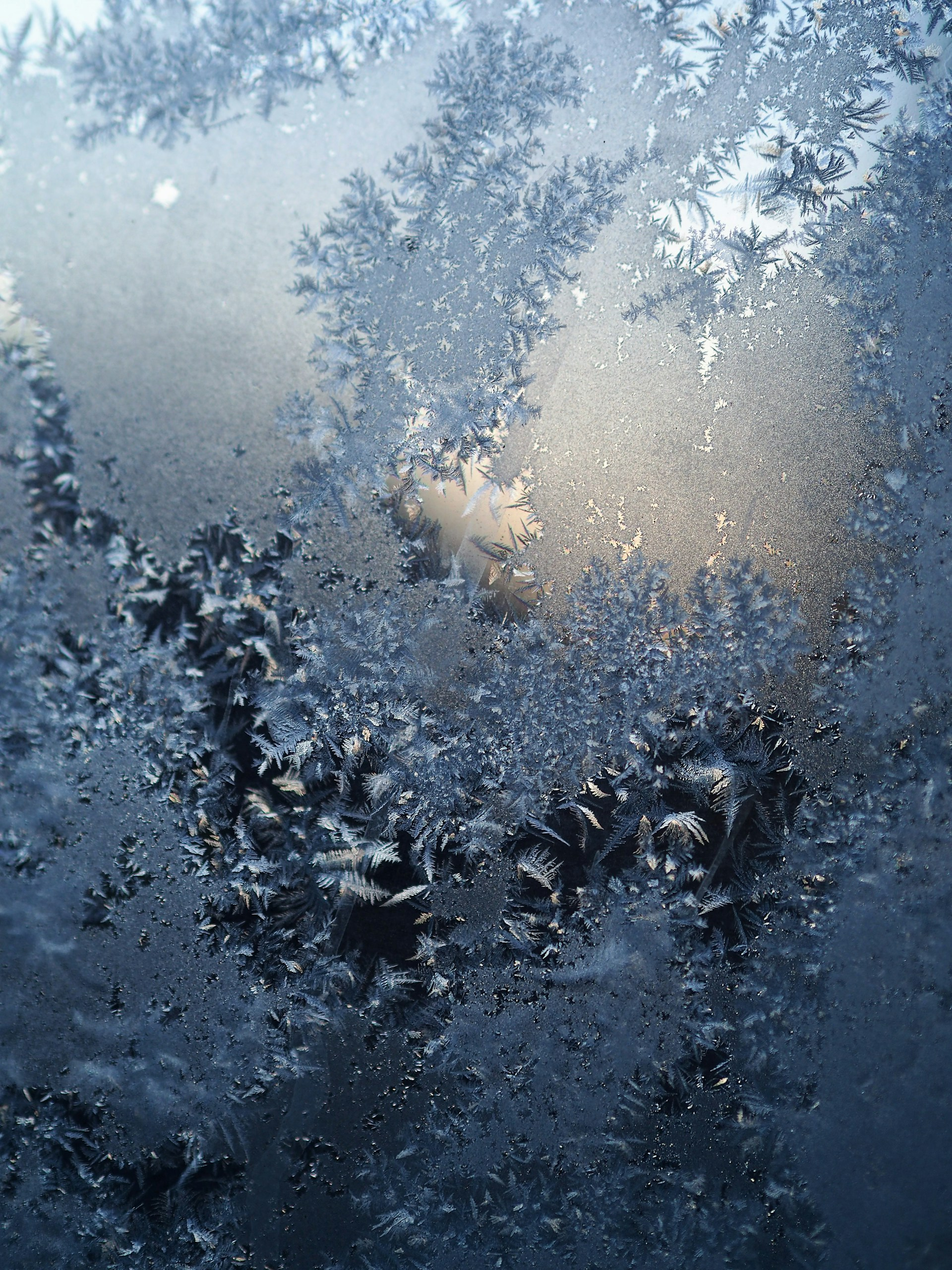
What True Crime Podcasts Have Taught Me

By Esha Khimji

  1. My husband/boyfriend is most likely to kill me
  2. If he doesn’t and some other man does, people will remember his name and forget mine
  3. Blue Apron is a quick and easy way to cook
  4. I have been socialised to be too polite and accommodating and that’s what will get me killed
  5. I will also be killed if I try to set boundaries
  6. If I date a younger man, he will definitely kill me for my money and I will be unforgivably naive for thinking a younger man found me attractive
  7. Blue Apron is a quick and easy way to cook
  8. If I am murdered, the best I’ll get is pity and the worst I’ll get is too fucked up to mention here
  9. I need to double and triple check my phone is, in fact, connected to my Bluetooth headphones lest I traumatize everyone on my morning commute
  10. If my murderer is halfway decent looking, he will have fans
  11. The police won’t do anything until I am actually dead
  12. The police especially won’t do anything because I am not a pretty white girl
  13. I can listen to more podcasts on the Wondery App
  14. Blue Apron is a quick and easy way to cook


Esha Khimji is a new writer living in Scotland. She holds a degree in Economic and Social History, works a 9-to-5, and writes to stay sane. Her writing focuses on themes of self-preservation in the face of inequality and its interplay with desires that stretch past “one’s lot in life.” Her work has recently appeared in Short Beasts and Steam Ticket: A Third Coast Review.

Photo credit: Photo by Omar Ramadan on Unsplash.


A note from Writers Resist
Thank you for reading! If you appreciate creative resistance and would like to support it, you can make a small, medium or large donation to Writers Resist on our Give a Sawbuck page.
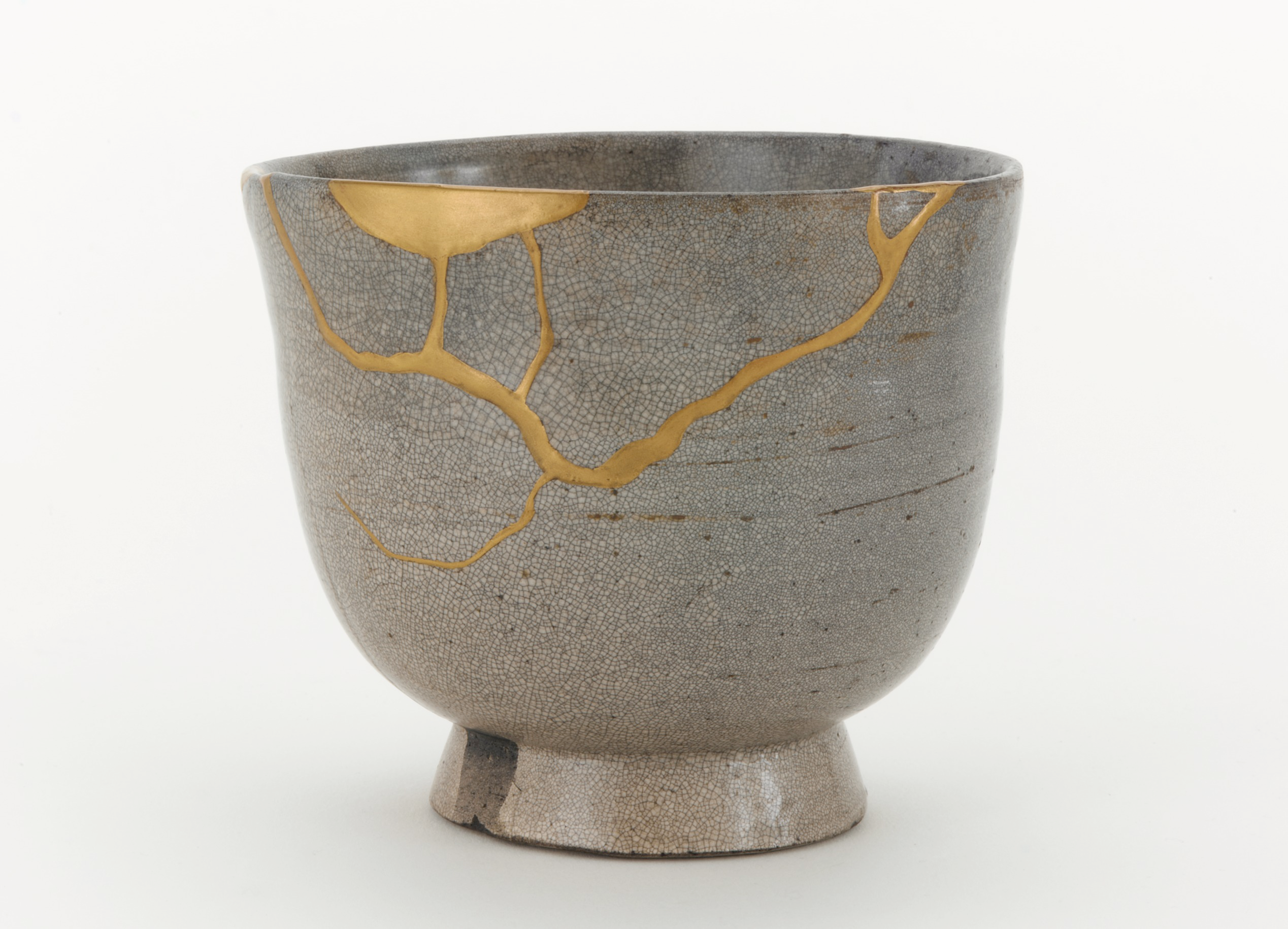
Gathering

                           (written the day after the 2024 election)

We woke at 2am to a world on fire.

In dark times, I am driven to gather hidden light.

After the shock,
I wove a basket from tears
and texts “I love you” and “are you ok?”
and grit
and tatters of faith.

I lined the basket with a nest for hope,
one by one I placed in treasures
burnished in the ashes:

3am thoughts:
“They don’t get to have my peace,
I reclaim my peace”
which flung me into the moment
of deep gratitude for
our bed,
my sleeping husband,
and the stirring cat.

A Rumi poem
reminding us that where the lowland is, the water goes
and that weeping draws in medicine.

Lodgepole pine seeds, sealed in resin
that can only release in the heat of a fire.
Eucalyptus branches
that can only bud if the bark is burned away.

The masks we are dropping
to say I love you
without hesitation.

Therapists creating spaces for each other
so we can keep working.
Little sparks igniting around the world
fanning flames of connection.

A veteran, betrayed by our own military,
who could still say
“I survived my toughest days, America will too.”

snippets of conversations:
“we are in this together”
“may your shakiness deepen your groundedness”

Torn and folded notebook pages from my husband’s students
telling him how they are:
“I am really scared”
“I am angry”

The maple tree glowing fiery orange
wrapped in fairy lights.
This little oasis does not read the news.

Perhaps this is an arc of history
that I won’t see in my lifetime,
but I can do my part.

gather and listen
and offer my basket.

Take a penny, leave a penny.

Place in your grief,
your wisdom,
your humanity.
Take what you need
connection,
hope,
a metaphor,
Take each other.

I will gather more.


Maureen Kane lives with her family in Bellingham, Washington. She is a mental-health therapist in private practice in Washington and Idaho. Her work has appeared in anthologies and journals. She is a Sue Boynton Poetry Walk Award winner. Her books of poems are The Phoenix Requires Ashes: Poems for the Journey and Mycelium: Poetry of Connection. Her workbook A Guide Back to You: A workbook for exploring who you are and staying true to yourself is a Chanticleer International Books Awards First Place winner.

Photo credit: Photo by Jari Hytönen on Unsplash.


A note from Writers Resist
Thank you for reading! If you appreciate creative resistance and would like to support it, you can make a small, medium or large donation to Writers Resist on our Give a Sawbuck page.
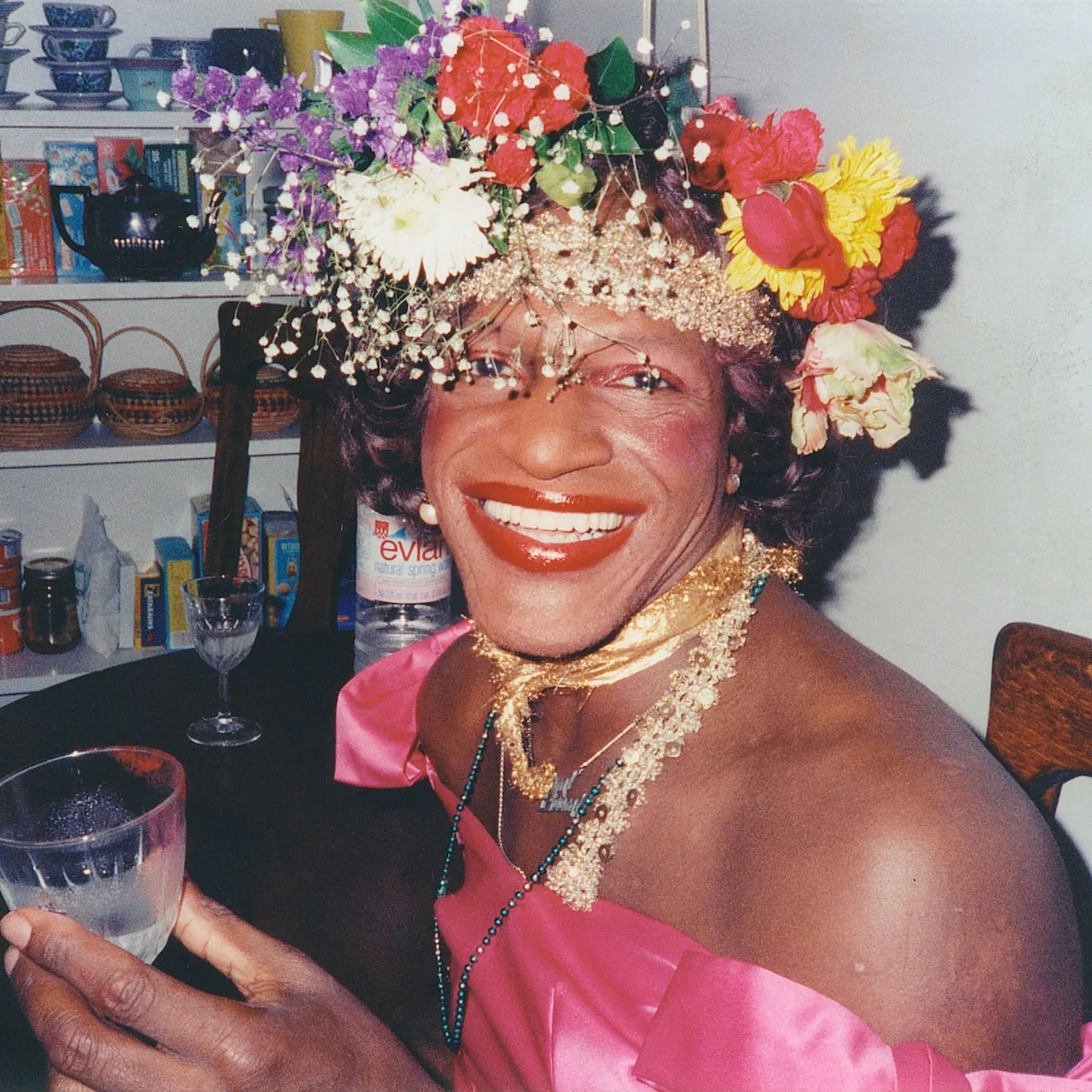
Welcome to Writers Resist the 2025 Summer of Resistance Issue

Wouldn’t it be dandy if this season were a 21st century version of the Summer of Love, but more inclined toward the civil rights movement? An uprising of all ages—of every identity!—leading a powerful return to our generations-long quest for liberty and justice for all; for diversity, equity and inclusion; for a moral commitment to our three branches of government, our pursuit of a true democracy, our vision of what we might be?

Yes, that would be dandy.

This issue launches after the 14 June protests, and we saw you all were on streets across the nation, with oh-so-clever signage, lots of peace and love, and being absolutely dandy.

Thank you—don’t stop!

But first, we’ll take a moment to offer our fondest farewell to René Marzuk, editor extraordinaire and exceptional human being. We’ve been grateful for his presence on the Writers Resist team. We will miss him sorely and lovingly.

A note from René—

In August of 2022 (more than two and a half years ago!), the editors of Writers Resist welcomed me as one of their own. Since then, I’ve had the privilege of reading and considering (mostly) poetry submissions from all over the world. Working closely with Debbie, I read pieces carefully and consistently, trying to find expressions of resistance that took full advantage of the resources available to poetry. As I get ready to step down from my role, I look back with joy to all of the instances in which I found not only what I thought I was looking for, but much, much more.

Early on, I learned that Writers Resist offers a platform for resistance and community that is in turn supported by the generosity and love of those who keep it running. Thank you so much for creating and maintaining this space, K-B, and thank you all for allowing me to be one of you during the last couple of years.

Keep writing the resistance, friends!

Saludos,
René

And now, in between protests, please enjoy the rich contents of our Summer 2025 issue—and join us for Writers Resist Reads, a virtual celebration of this issue, on Saturday 16 August, at 5:00 p.m. PACIFIC. Email WritersResist@gmail.com for the Zoom link.

CONTENTS

Work Trip by Alyssa Curcio

Manure by Robert Delilah

The Neighbor’s Goldfish by Ashley Dryden

Freedom Calls (Commemorating Harriett Tubman’s Promotion to Brigadier General in the State of Maryland) by Ellen Girardeau Kempler

s k i n by Rebecca Havens

Awaiting Harris’ Concession Speech November 6, 2024 by Dotty LeMieux

Standard Safety Recommendations: Revised, 2025 by Ryan McCarty

Stars and Stripes: Registering Voters in the Travis County Jail by Lauren Oertel

Inauguration Day by Linda Parsons

The Age of Unreason by Matthew Sam Prendergast

The Bishop by Lao Rubert

Marked by Fendy Satria Tulodo

Saved by Phyllis Wax

you’re all for autism awareness ’til by Lauren Withrow


Photo credit: K-B Gressitt, taken at Greenwood Rising, a Tulsa, Oklahoma, museum that will “educate Oklahomans and Americans about the [1921] Race Massacre and its impact on the state and Nation, remember its victims and survivors, and create an environment conducive to fostering sustainable entrepreneurship and heritage tourism within the Greenwood District specifically, and North Tulsa generally.”

Work Trip

By Alyssa Curcio

Crisply folded sheets,
strange faces—
the warm bite of Cognac
against my teeth at the hotel bar—
I must admit,
it is all rather romantic.
I’ve been sent to California
(the client needs us!)
and I’ve left my life,
excuse me, my wife,
at home.

I might just understand,
as I kiss a cigarette
on the balcony of my hotel room,
why The Men fought so hard
(they really did try!)
to keep this world from us.
The old boys club,
the working hard
(read: playing hard). . .

I might just jump ship
and join them
in their indignation that
“some things are just sacred!”
Except that
after a drink
(maybe even before)
their wandering hands
would find my thighs
beneath the table
and make me wish
that I was anywhere
but California.


Alyssa Curcio (she/her) is a reproductive justice activist and lawyer whose advocacy has been covered by The New York Times, The New Yorker, and NBC News. Her poetry has been featured in Screen Door Review and Poem Alone. A Virginia native, Alyssa currently lives in New York City.

Photo credit: ChrisGoldNY via a Creative Commons license.


A note from Writers Resist
Thank you for reading! If you appreciate creative resistance and would like to support it, you can make a small, medium or large donation to Writers Resist from our Give a Sawbuck page.