The Most Radical Protest Right Now Is Handmade

By Amanda Jackson

There’s a sweet settling fiber artists know, where time softens and fingertips warm with effortless energy. Meditating on patterns, settling into rhythm, mesmerized by repetition.

Top to bottom, bottom to top. Stitch, stitch, stitch. My mom taught me to cross stitch as a little girl, kittens, rainbows, and hearts emerging from hundreds of tiny x’s.

Knit, purl, knit, purl. Almost all my classmates knit when I studied visual art at the Interlochen Arts Academy. We may not have known it then, the magnitude of fiber art or it’s connection to resistance, but we were most content with piles of yarn curled in our laps. Butterfly kisses of soft mohair, luxurious cashmere, we even craved thick, scratchy wool against our fingers.

• • •

Fiber art has been a seasoned storyteller. It has passed messages in plain sight, spied on opposition, and formed social movements, threads tightened into banners, votes for women, my body, my choice, love is love. It has documented injustice, asserted identity, and expressed solidarity where words fell short or posed risk. Quiet and unexpected, fiber art has voiced the silenced, resisted unapologetically, and woven strength greater than any one of us could alone.

Suffragettes embroidered protest banners in the early twentieth century. They were marched through city streets, draped over railings, and held up high. Domestic labor became public defiance, claiming space and igniting collective power.

Fiber art has become a global language of protest.

During the Pinochet dictatorship in Chile, women made arpilleras, small, hand-sewn tapestries that depicted scenes of daily life, violence, and disappearance, transforming fabric into testimony and bearing witness to human rights abuses where speaking out was fatal.

For Palestinians in the diaspora, the continued practice of tatreez, a traditional hand-embroidery technique, sustains cultural memory and asserts enduring identity.

During wartime, where there were knitters, there were often spies.

During WWI and WWII, the Belgian Resistance and Allied spies used knitting to gather intelligence. Undetected women positioned near railway lines encoded information in their knitting as a form of steganography, or hidden writing. La Dame Blanche, with over 1,000 agents, provided 70 percent of Allied military intel in WWI.

Spies such as Elizabeth Bentley used knitting bags to secretly transport documents. Phyllis Labour Doyle, a notable British Special Operations Executive (SOE) agent sent over 135 messages through the language of knits and pearls while operating behind enemy lines in the 1940s.

The U.S. Office of Censorship eventually banned the mailing of knitting patterns abroad during WW II.

• • •

The loom met me like a familiar dance partner, seamlessly moving into step. I’d leaned my full body into the work, digging into memory, borrowing from dreams. I wove Lake Michigan in layered blues, bright, warm sunsets, white pages peeling from birch trees with stories etched in coal. I’d granted them weight line by line in my fiber arts classes at Interlochen.

In another place or time, would I have been layering and stitching fiber into maps or messages, passed openly, unnoticed?

Will I still?

• • •

By transforming yarn and thread into a medium of expression, fiber art continues to take a stand.

In the aftermath of Donald Trump’s 2016 election, Kat Coyle created the “Pussyhat,” deliberately reclaiming the term as solidarity after his misogynist comments surfaced during the campaign. The quote itself does not merit repetition. For many women, its video is easily recalled, its impact still visceral.

The Pussyhat Project remains a collective act of care, visibility, and belonging, with over 160,000 projects recorded: “Women’s rights are human rights. Always have been. Always will be.”

Welcome Blanket was a craft-centered, community-powered response to the first Trump administration’s proposed 2,000-mile wall along the United States–Mexico border. Los Angeles artist Jayne Zweiman invited fiber artists to reimagine the barrier in fabric. Across living rooms and kitchens, hands knitted, sewed, crocheted, and wove blankets, a refusal to let policy have the final word.

The project quickly exceeded its goal and aims to encircle the globe in 36,521 handmade pieces. 8,000 have been collected so far.

Most recently, deep red yarn and pointed red hats with tassels began appearing across social media following a surge of federal immigration enforcement in Minnesota and the deaths of two residents as a result. In response, Minneapolis yarn shop Needle & Skein launched a fundraiser to support the community, offering $5 patterns for “Melt the ICE” hats that quickly gained widespread support.

It was clear to Gilah Mashaal, a Jewish immigrant, how her shop would protest. “What’s happening in Minneapolis has been so egregious and awful and so destructive to our community.”

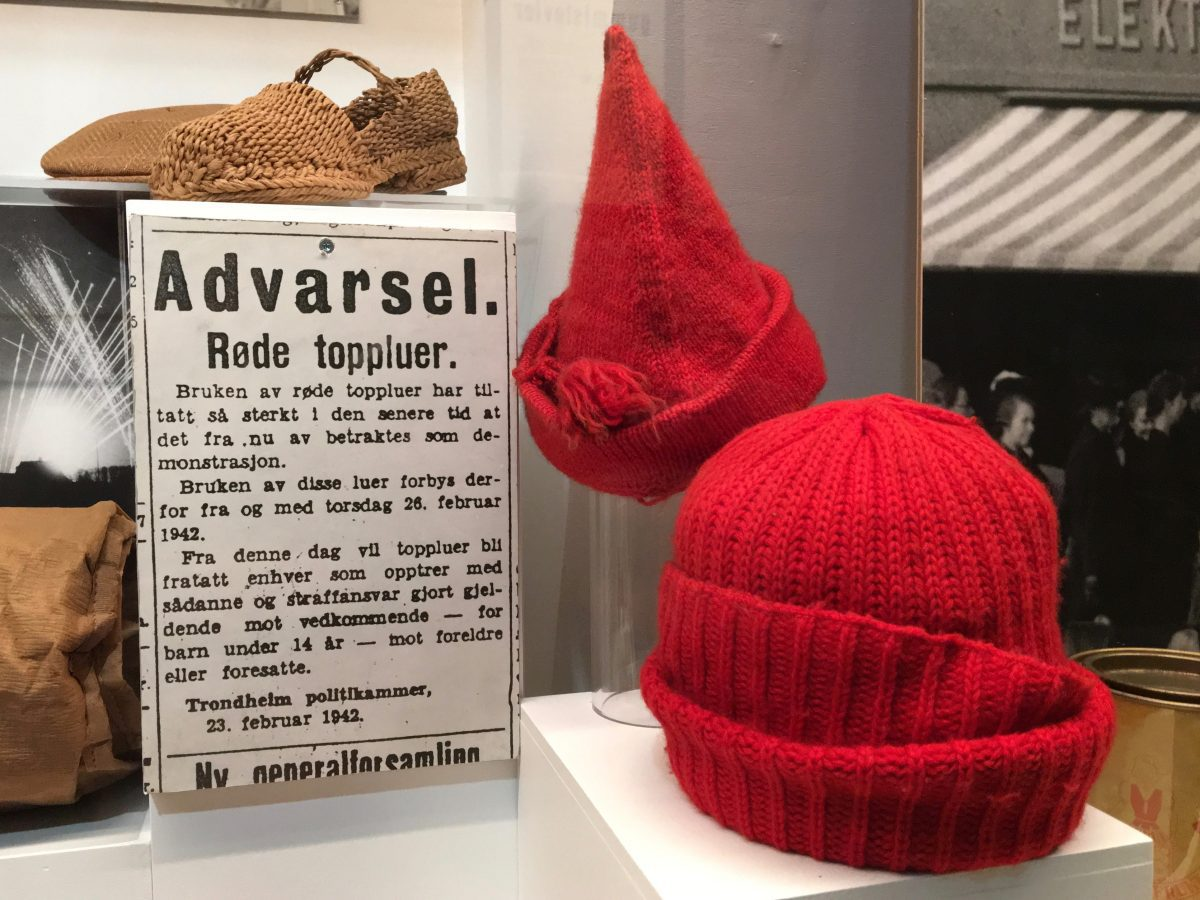
The hats were inspired by Norway’s WWII “nisselue,” or Santa hat, worn in opposition to Nazi occupation as a symbol of hope and morale. For Norwegians, the hat was meant to be “distinctively non-violent.” They eventually became illegal for citizens to wear or distribute.

Having also learned Norwegian traditions from my mom, I came to recognize their subtle strength early on.

Since launching the “Melt the ICE” hat project, Needle & Skein has raised over $650,000 for organizations supporting community members affected by ICE, inspiring knitters and crocheters around the world.

My local yarn shop, Wool & Honey, started a fundraiser for Minneapolis with bold, red yarn spun to order. They’ve hosted community “Melt the ICE” knitting gatherings at their shop in northern Michigan and the Leland Public Library. Grassroots organization, Indivisible Leelanau purchased 200 stamps for the group to send “resist postcards” to Congress and the White House.

It’s uncertain whether “Melt the ICE” hats will become illegal, like the nisselue before them. For now, the pattern is still available through Needle & Skein on Payship and Ravelry.

From stitched banners to the pink and red hats of contemporary protest, fiber art highlights the persistent power of small, deliberate actions. So, we knit, croquet, embroider, weave, and stitch.

We resist.


Amanda Jackson is a creative nonfiction writer exploring fiber art, resistance, and the politics of domestic craft. Her work uncovers the histories stitched into cloth and the enduring power of art. She lives in northern Michigan with her spouse and loyal rescue shepherd, Jax.

Photo credit: Courtesy of the Norwegian Resistance Museum.


A Note from Writers Resist
Thank you for reading! If you appreciate creative resistance and would like to support it, you can make a small, medium or large donation to Writers Resist on our Give a Sawbuck page.
Two Poems by Erin Vaughn

Birthday

Yesterday at school,
a boy touched himself in front of you
his eyes unfocused
as if he was there and not there.
He looked right through you
and then your body was not your own.

Today you turned eleven
and shrieked through a throng of friends
who threw their arms around you
as you opened all your presents.
I wanted to cry because
I don’t know how to tell you
that this will happen again: men
will see you and not see you
over and over
and it takes a lot of light
to blow out all the candles
and still burn.

Things to Bring to the Protest

Bring your phone, locked.
Granola bar. ID.
A vial of your mother’s tears
and the sharp grey stone of your rage.
Bring all the joy you can find. Ball it up
in your hands like a fist.
Gather the shreds of your compassion
from where they’ve scattered about the house–
between the pages of books,
pots on the stove–and stuff your pockets.
Bring bandages and balm,
the small sleeping sounds of your brother’s
new baby, the wounded
song in your heart and the world it has lost.
These, together, are heavy.
Do not worry, beloved;
many hands lift here.


Erin Vaughn (she/her) is a poet and educator who writes in order to understand what it means to live freely—whether in a body, a family, or a country. She lives in Maryland with her husband, young daughter, and two dogs. Her poetry has been previously published in The Basilisk Tree.

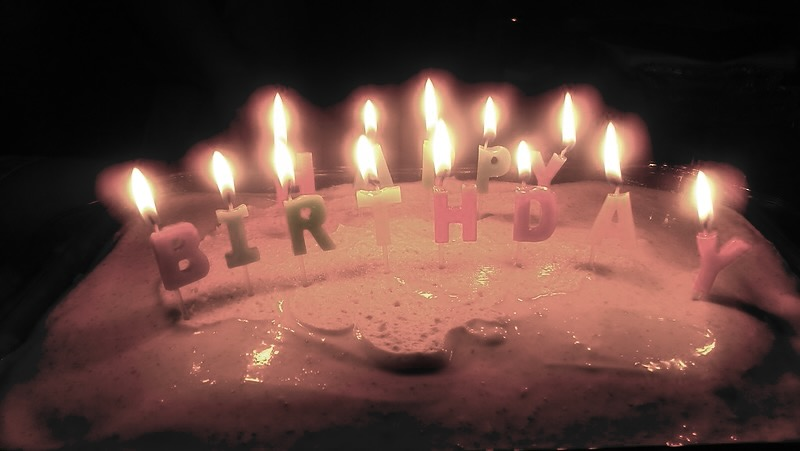
Photo credit: Jenni Konrad via a Creative Commons license


A Note from Writers Resist
Thank you for reading! If you appreciate creative resistance and would like to support it, you can make a small, medium or large donation to Writers Resist on our Give a Sawbuck page.

A One-Way Correspondence with Fruit

By Christine Strickland

January 15, 2020

Dear Pineapple,

I’m tired of thinking of how to explain this to you. I’ve been trying since you were a blueberry, remember? What to say to you when the day comes when you ask me: Did they really throw kids into cages? Did you all really let them?

I’m tired of learning of new inexplicable realities I know I won’t have an answer for. While you are growing in this warm cocoon and the only bars (I hope) you’ll ever look out from are the ones on the crib your dad put together, kids are in cages. And I know this is happening. We all do. There is no way to explain this.

So I won’t attempt to explain. No clever explanations or lies for you, my sweet budding fruit. I know; we all know.

I don’t think it will make it sound any better to tell you that I’m trying. That I’ve gone to court and jail and legal appointments and stood next to these kids and their parents. That I’ve called these men in power who are doing this bad thing. That I’ve written letters. As though a letter could absolve me of the fact that I know this is happening and I keep on living because I don’t know what else to do.

Like I’ve told you before, I’m sorry. I’m tired of learning new things that I have to apologize to you for, but I’m not tired of apologizing. Because I mean it: I’m sorry.

I’m sorry you have to come out while this is happening. I’m sorry I won’t be able to fix this before you get here, or ever, for that matter.

I’m trying, I’m just one person. I’m your mother.

Pineapple, I hope you never grow tired of doing all you can to set those around you free. I pray there are no kids in cages by the time you’re learning what Freedom is, but I fear there will still be those encaged by this same force at work today. The powerful will keep creating new prisons to fence people in and out.

But before you do that, it’s important that you know you must free yourself. Don’t let them put you in a prison of complacency or apathy, locked up by notions like “that’s just the way things are.” Don’t let them enclose your ideas in a box of what’s possible or what’s right. You must fight to stay free, otherwise you won’t be able to free anyone. Sometimes to free each other, we have to climb inside the cage they’ve put someone else in. It’s complicated, I know: I’m sorry.

Soon, in just six weeks, I’ll have to set you free. I worry about the world I’m letting you out into. But I know that even with all the pain and hate and evil that keeps appearing, you’ll be free to experience the rest: all the wonder, the joy, the beauty this crazy world still has to offer.

Love,
Your Mama

•   •   •

November 30, 2021

Dear Cantaloupe,

Well, I found out today you are measuring on the wee side. So you may not even have reached the size of a cantaloupe quite yet.

Whichever fruit you are at the moment, I can tell already you are a wild one, or at least a fighting one. You punch and kick in a way I don’t remember your brother doing, though maybe he did and I’m just forgetting. There will be plenty to make you want to kick and scream out here, too.

I haven’t marched or cried out like I should, like I used to. Since your brother came, more lies have burned through our country. Fires have seared through parts of it, like ours. Last summer, I cried silent, frustrated tears while I smelled the smoke as our city burned two blocks away from our house. I cried for George Floyd. I cried for Justice, for Peace, for Mercy, for Humanity—big words that you’ll learn someday, that maybe I’ll understand someday—but mostly, I cried because I didn’t know how to protect your brother’s lungs from the fumes of smoke.

And so I’m fighting to keep you safe now. You, my little fighter, who will continue to fight the good fight for and with people like George. You’ll have to fight for all of those big, beautiful words I cried for before. Just be sure not to fight people. Fear is the enemy you’ll have to fight, not other people—or my liver, for that matter, so you can quit kicking it.

The fact that you are a little small means your first days might be harder, just like your brother’s were. But I know you are strong; you’ve proven that! And my Love will surround you, protect you, probably overwhelm you. It is the same Love I’ve been loved with, that we’re all loved with. It is the Love that moves us to fight in the first place. And never has a cantaloupe been loved more than you are. Never forget that.

So, even as you box against my organs, stay inside for as long as you can. I’m sorry in advance if we have to pull you out sooner. We’ll see how my blood pressure cooperates.

I love you. Daddy and I can’t wait to meet you.

Love,
Your Mama

•   •   •

January 26, 2024

Dear Honeydew,

My, I’m writing this letter to you late! Thank God you’re still inside growing, as you should be. Who knows just how much longer you’ll be in here. I do hope to make it another four weeks with you growing inside, but you will come when you are ripe and ready.

Someday, you’ll read in textbooks about the ugly war that broke out a few months ago on the other side of the globe. You’ll read how terrorists took hostages and soldiers blitzed civilians. Maybe you’ll see the photographs of hospitals hollowed out, of families fleeing their homes. I’ve seen them already. So much blood, so much pain, Honeydew. It makes me wince to write about even in vagaries.

But blood has spilled over onto my hands, too. Taxes from my paycheck are buying these bullets and bombs destined for women, children, people in their homes. My work in a clinic on a poor corner in a city far away from this war—where I strive, at least, from nine to five to help the few people I can—is funding genocide. One day, I fear, you might ask: So what did you do about it? And I’ll have to answer you truthfully: Nothing. Or close to it.

Through much of this pregnancy, I’ve kept my eyes down on my belly and not looked up much. I feel too much joy at your coming to want to feel sad. I recognize how horrible this reads. I’m wincing again as I write this, though this time, out of shame. No mother in Gaza could forgive this.

In earlier times of my life, not too long ago, I would have been out there with my friends protesting, persuading, writing letters, whatever it took. Instead, now in the evenings, I come home from work, struggle to get your brothers to eat more of their vegetables from their overflowing bowls, bathe them with water safe enough to drink, clean my house that has not been struck by any bomb, and rub my growing belly—you—with a smile on my face. Most nights, I don’t bother checking the news. I know I will read about more mothers who have lost their children, who don’t have any food to feed them, who don’t have clean water to pour for them, whose houses have been flattened by bombs, who don’t even have a hospital where they can birth their babies. And what can I do about it anyway? I don’t know, so I don’t try. I rub my growing Honeydew instead.

Hopefully you’ll believe me when I tell you I’m a good person, or I want to be one, anyway. I’m still hoping I can believe that, too. Whether we believe me on this point or not, believe me when I say I have realized I cannot go on like this. We must open our eyes and hearts to the pain of others, even when it hurts to look, even when it feels we can do nothing to help. So I will try to look, I will try to do what I can to help. How I will do this with (what are soon to be) three young children, I do not yet know.

But my prayer for you, dear Honeydew, is that you learn from my mistakes and that you learn to be good in ways that I only hope to be. The truth is, you already are. You are Love itself, a Love that must be shared with the world by your very nature. You remind me of something I’ve forgotten in myself. You are already making this place better.

Daddy and I are so excited to meet you. Keep growing. Soon, I’ll be holding you in my arms.

Love,
Your Mama

•   •   •

August 1, 2025

Dear next Blueberry, if you ever come,

I’ll try. I promise.


Christine Strickland is a family nurse practitioner who has worked in a variety of cities, countries, and healthcare settings. She currently serves as medical director at a health center in the Kensington neighborhood of Philadelphia. She lives in West Philadelphia with her husband and three young children. You can find her at christinestricklandwriter.com.

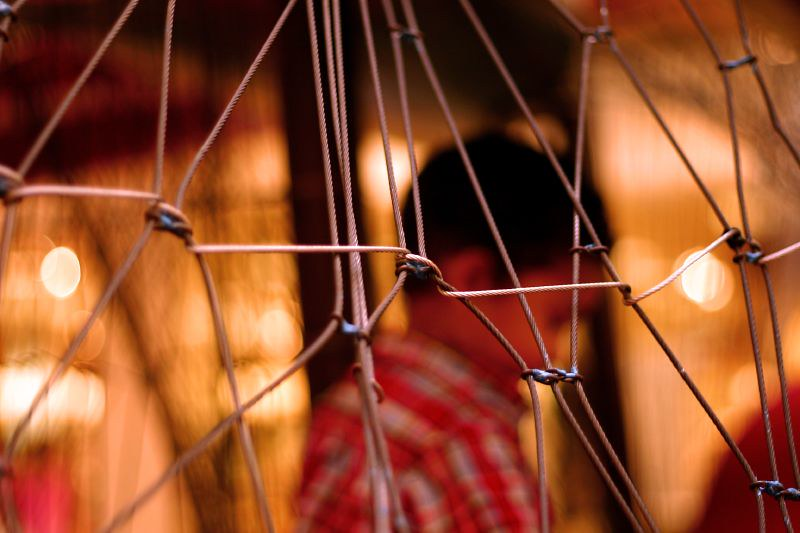
Photo by Pulihora via a Creative Commons license.


A note from Writers Resist
Thank you for reading! If you appreciate creative resistance and would like to support it, you can make a small, medium or large donation to Writers Resist on our Give a Sawbuck page.