Passing On Fire

By Joyce Frohn


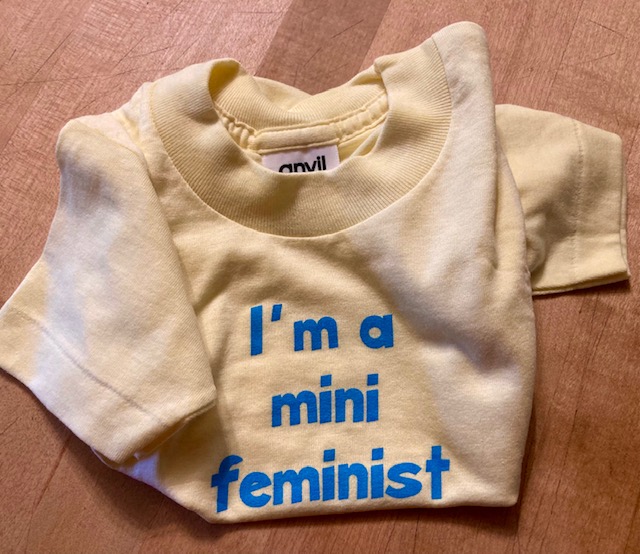
My grandmother called herself a “tomboy.”
She bragged that she could chop wood and bale hay as fast
as the men.
And then they sat down and read the paper while she baked
fine biscuits and pie.
She loved hunting, motorcycles and gardening.
She raised four children in a boxcar,
teaching the boys to cook and the girls to love learning.
and that dairy farm sent four children to college.

Her daughters called themselves “new women” and “liberated.”
They marched in protests, fought discrimination on the job and
balanced motherhood and jobs.
They aimed for medical school and seminary.
They fought for their children,
you win some, you lose some.

I call myself a “feminist.”
College was assumed.
I love poetry, slime molds and frog cells.
I signed petitions as soon as I could write.
Some days old battles stay on and
sometimes new problems arise.

We’ve fought for so long.
What will my daughter call herself?
Will she be the one to say “woman”?
What battles will she fight?
Her great grandmother holds her small soft hand
in a stiff callused one and passes on the fire.


Joyce Frohn has been published in Nothing Ever Happens in Fox Hollow, Strange Stories, and Page & Spine, among other places. She is married with a teen-aged daughter. She also shares a house with two cats, a lizard and too many dust bunnies.

Election Day

By Elizabeth Edelglass


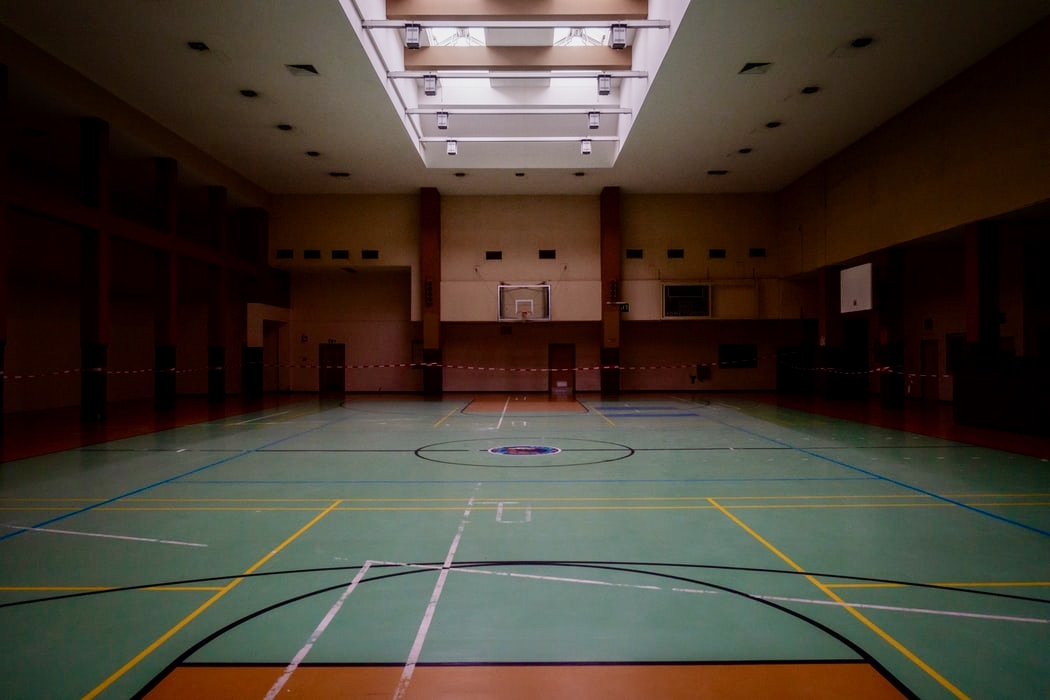
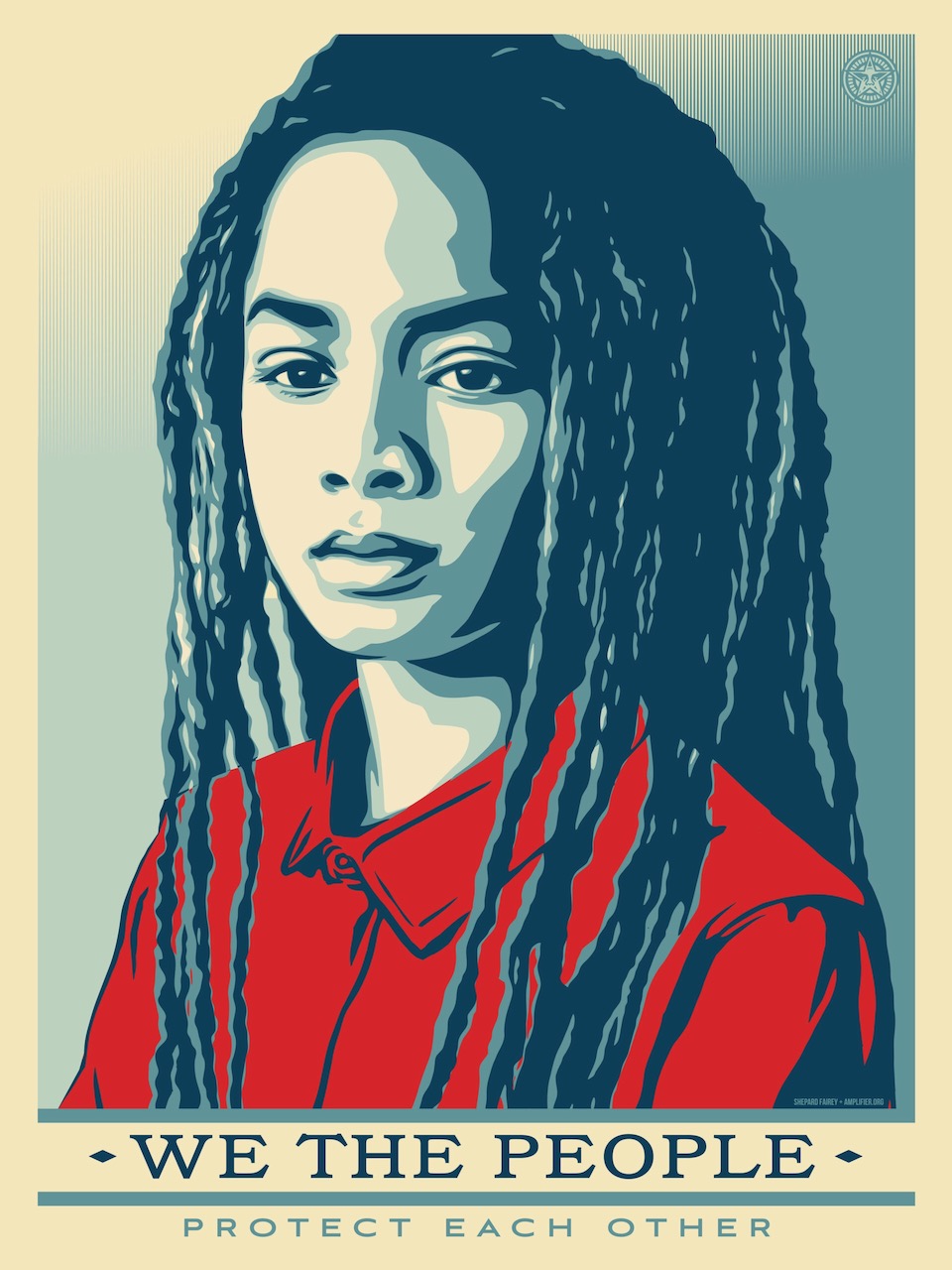
We stand in line beside our mothers’ stockinged legs, line snaking through the gymnasium, where yesterday we’d also snaked through same gymnasium, mouths agape for the healing cube, sugar our mothers said, but bitter, live virus, our parents had said, to save us from the deadly virus, their voices husky with fear, when they thought we couldn’t hear from our secret perch on the upstairs landing, aliens landed from our beds in the sky. Now our mothers lift us high with strong arms, purposeful fingers, click the levers, pull the arm, part the curtain, we the people whisper our secret choices. Then home to our fathers in their fatigues from the war, fathers who’d already voted, forsaking sleeping houses at sunup, as always, though no work today, so rake the leaves, let us jump the piles, crisp and sharp, then watch our fathers set the piles aflame, red and orange and crunchy brown, smoke soaring to the sky.

We stand in line in our fathers’ fatigues from the war, line snaking through the gymnasium, where yesterday we square-danced, dosido, allemande left, allemande right, line snaking, choose your partner, change your partner, kiss your partner behind the bleachers. Old enough now to snake on our bellies through Asian jungle, if we were boys, old enough to click the levers, pull the arm, part the curtain, assert our choice to save the boys we think we love from snaking through the jungle mud. Then home to huddle in those boys’ strong arms under percale piles, to scream and husky cry, election stolen by dirty tricks, as bombs keep crying from the sky, until at last those tricky fingers flash the famous V before boarding a chopper to fly out of sight, rotors roaring into the sky.

We stand in line with our kangaroo pouches, babies snuggled at our breasts, toddlers at our denimed legs, line snaking through the gymnasium, where yesterday we were chosen, or not chosen, for the team. Line snaking through the gymnasium where soon our babies will be chosen, or not chosen, we pray for them as we click the levers, pull the arm, part the curtain, affirm our choices, big and small, win or lose, year after year, school board, zoning board, firemen’s budget. Then home to rake the leaves, we let our children jump in the piles, when they think we cannot see, freely fly across grass and sky, then rake again, into bio-safe bags, saving the smoke, restoring the sky.

We stand in line in our pantsuits and pearls, behind our masks, line snaking outside the gymnasium, six-foot circles on grass as green as far-off jungle, leaves painting rainbow sky, sun shining as if God knows, line snaking one-by-one, dosido into the gymnasium, where tomorrow our grandchildren will all be chosen, everyone a winner now, though they know truths we think they don’t. Yesterday we helped our mothers, safe on Facetime, mark their ballots with brittle fingers, will they touch us once again before they soar to unknown sky? We’re determined to stand in line, though old enough to be at risk, we shout our choice to save the world from sneaky virus, snake-y words, both sharp with spikes that can kill. We mark our ballots with gloved fingers, slide into scanners, what happens next we do not know, missing the click of levers, the pull of arm, the reassuring slide of curtain. Then home to rake the leaves with bony fingers, aching arms, anything to avoid the blaring TV voices, we lift our eyes, imploring the sky.


Elizabeth Edelglass is a fiction writer and book reviewer who finds herself writing poetry in response to today’s world—personal, national, and global. Her first published poems recently appeared in Global Poemic and Trouvaille Review. Her story “An Implausibility of Wildebeests” appeared in Writers Resist in November 2020. Follow her on Facebook and Twitter.

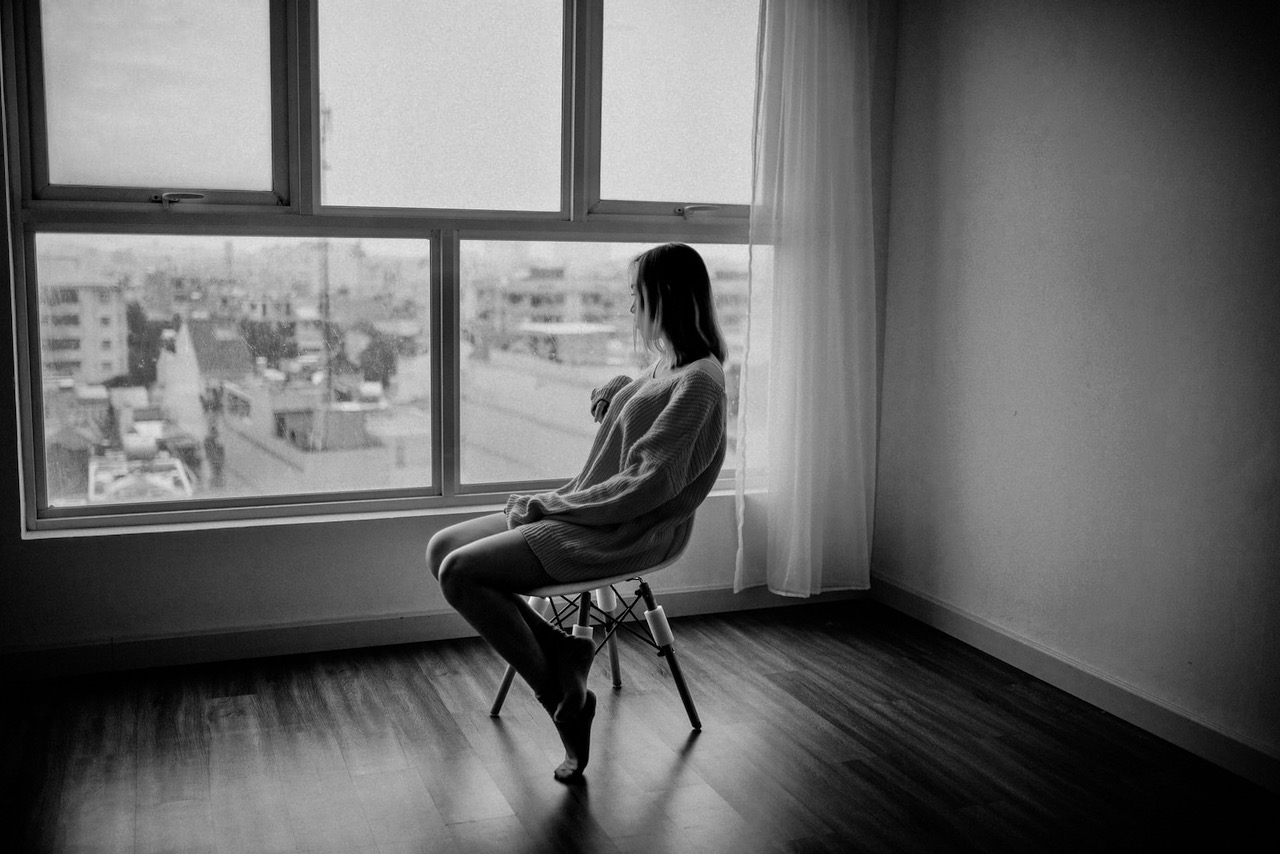
Photo by Patrick Schöpflin on Unsplash.

Work

By Mary Leary


Please stop writing about nothing. The light from your
lawn chairs. Berries you savored or didn’t,
bodies massed for gatherings on back summer lawns. Nice usually means
smiling; at least pretending to listen. Maybe keeping it light.
No politics at New Year’s Day dinner, you say and I
wonder why I came
when we are in a process of
disintegration; the only news left to report, my lonely
heartbroken calling
for birds, sea creatures, coral
in the poems I don’t write
for people in straits too dire for them to notice silenced
chirps; scattered winds anxious
for the sounds they used to make through
trees, now downed and drowned.

The poems I won’t write, for people too busy
trying to pull women and children
from bloody, uncaring jaws;
people who never recovered from
the famine/flood/fire/murder; several hammers
to the head of New Orleans. Creatures/women/children/prisoners
who’ve stopped waiting for someone
to help them. I am much closer to the waves
of destruction than those who have time
to write about tea with the lonely cat,
reunions hinting at the last gasps of
something some called civilization. That’s the triumph,
you will say — capturing those
small moments in the lap of the relatively
or greatly sheltered classes. You are probably right.
Once we meet, I do
want to know about your life. For now
I need to bear witness to oily death rattles.
Last gasps.


Mary Leary has been writing since she was about eight. She would prefer to have been born a banker.

Photo credit: K-B Gressitt.

We Must Resist

By Laura Martinez


Everything has changed

Nothing has changed

He is gone

Does that mean we no longer resist?

It “takes time” to undo what he has done

Does that mean we no longer resist?

As long as elected officials state “America is not a racist country”

We must resist

As long as there is voter suppression

We must resist

As long as my grandson lives in fear of driving while black

We must resist

As long as women and LGBTQ communities risk losing everything they have gained

We must resist

As long as those fleeing oppression and poverty are turned away at the Southern border

We must resist

As long as elected officials live in fear of he who is not really gone

We must resist.

As long as fear and conspiracy theories abound

We must resist.

No matter who is in the White House

WE MUST RESIST


Laura Martinez is a retired social worker. She has been involved in active resistance for more than fifty years and knows we must resist injustice no matter who is in the White House.

Paean to All the Books I’m Reading in the Time of COVID

and Black Lives Matter


By Patricia Aya Williams


From the un-masked           and (turtled

nooks) of home        to the  socially      –      distanced

and     sanitized

patios

of coffeeshops,

I greet you.

The world spins

on an axis

    of livid proclaiming

     and

bulleted majesty

while    vultures                    circle               the      fetid    plain.

It is a summer of fires          and

burning,

convulsions of voices

from frac- tured streets.

Still     in quiet hours,

there is joy …

I invite you,

keepers of slow wisdom, speak –

your history,

your poetry,

your lives no longer but for ink and thought –

let us reckon together a truth

unshallowed

an air

that will let us all

breathe


Patricia Aya Williams is currently enrolled in the San Diego Writers, Ink Poetry Certificate Program. She is also an award-winning iPhone/iPad digital artist who takes great delight in her scarf collection. Her poems have been published in San Diego Poetry Annual and City Works Literary Journal.

Photo by Daniel Páscoa on Unsplash.

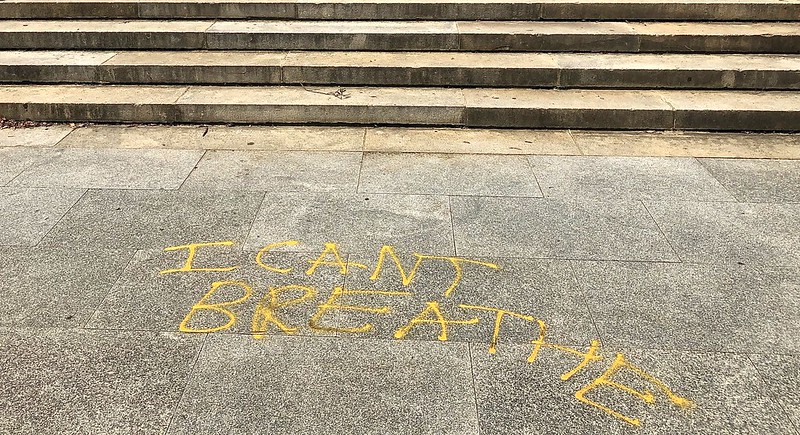
I can’t breathe

By Mary F. Lenox


I can’t breathe
the words said
written on a waste container
near the sidewalk

I wondered what other
unheard voices say
I can’t breathe

Dying fish of the sea
echo
I can’t breathe
as they
navigate through
plastic and oil invaders

Birds
call out
through polluted air
I can’t breathe

Children playing
in urban streets
for lack of space elsewhere
I can’t breathe

Rivers and streams
full of sewage from earthlings
scream
I can’t breathe

Shouting voices of people of color
grieving for relief
from all the ways oppressors
have tried to kill, destroy, eliminate
I can’t breathe

Yet
young and old around the world march and proclaim
No more!

We will not stand silently by
hearing those words
I can’t breathe


Born in Chicago, Illinois, Mary F. Lenox is a poet, writer, speaker, and educator.  She was a professor at the University of Missouri-Columbia in the School of Library and Information Science where she served as dean for 12 years. She is the author of two books of poetry, Threads of Grace: Selected Poems (2015) and Riches of Life: Poems (2019). She resides in San Diego, California.

Photo credit: Tyler Merbler via a Creative Commons license.

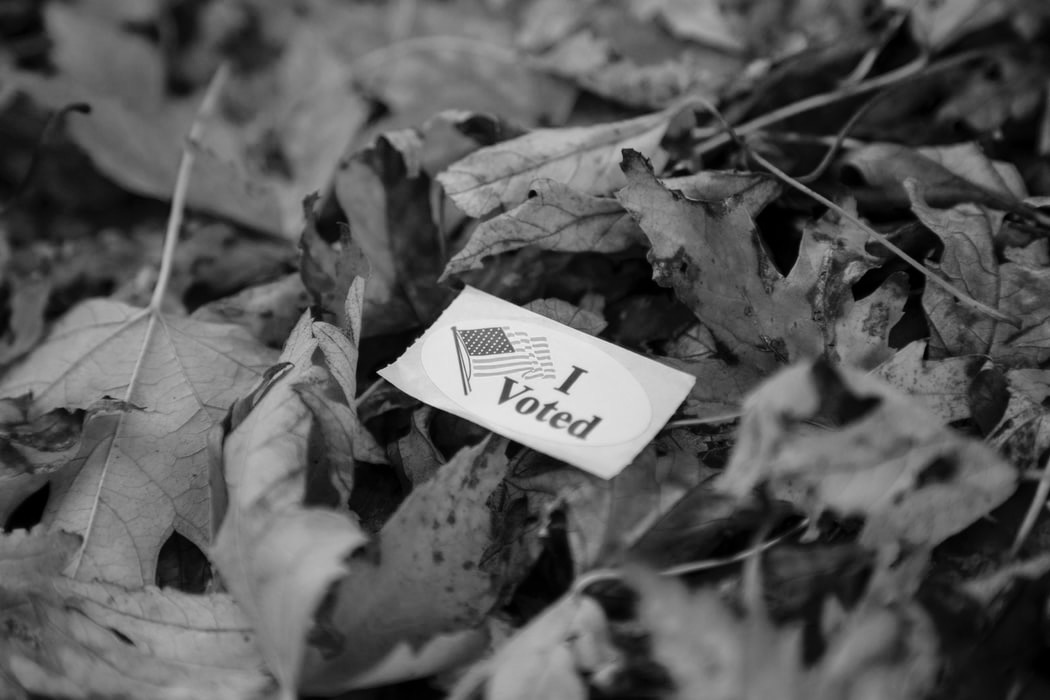
Dead Man Votes in Wayne County, Michigan

By William Palmer


I found an old mask on the ground
and stood in line.

At a table I handed a woman a scrap
of paper with my name on it
and my old address. She scrunched
her face to check it while a big guy
behind her wearing a white mask
with red and blue firearms on it
told her to keep the line moving.
She looked at my old Ford Assembly Plant ID
and the guy told her again but louder.
She handed me a ballot.
I voted for Joe Biden.

I signed my name best I could
then walked out
before my legs caved to dust.


William Palmer’s poetry has appeared in J JournalPoetry East, and Salamander. He has published two chapbooks—A String of Blue Lights and Humble—and has been interviewed by Grace Cavalieri for The Poet and the Poem from the Library of Congress. He lives in northern Michigan.

Photo by Josh Carter on Unsplash.

My body belongs to me

By Claire Sexton


It’s an insight the menopause has gifted to me.
The knowledge that my body belongs
wholly to me.
At last I can own my own body.
At last I don’t need to parade for boys or girls.
I can walk around my flat freely.
I can look in the mirror without flinching.
I can accept that my body has ‘curves.’
Like duck eggs, or cat tails, or a funerary cartouche.
Yes. My body belongs to me. That is final.
My flesh has come into the fold.
Where it is warm and sheltered from neglect.
Its creases are unique and compiled by me.
There are scriptures upon its expanse.
It has become my family at last.


Claire Sexton is an autistic woman who writes poetry that deals with neurodiverse and other mental health issues. She lives and works in England and is a medical librarian. She has previously been published in magazines such as Amethyst Review, Ink, Sweat and Tears, Light: a journal of photography and poetry, and Anti Heroin Chic.

Photo by Aleksander Vlad on Unsplash.

1962

By Ruth Hoberman


Memorial Day, we wore white gloves
to hold the flag. Songs fluttered in our lungs
like helium: we were pilgrim and witch,
Crockett and Quaker, the slave, the raft, the shore.

We were eleven, rich in Sousaphones and common wealth,
so sure of where the river went,
we’d beg our teachers to run our movies backwards,
hooting when the aphid spat back the eaten leaf

and the scientist, stripped of his white coat by the past,
hurried back to bed, the world unlearning itself.
Less funny now the Civil War’s unfought, and dinosaurs
return, and kids in cages bawl for their parents

while some guy in a uniform sends them back
and back and back. I was so sure America moved—
like tunnels, time, and rivers—toward the light.


Ruth Hoberman is a writer living in Chicago but residing in New Haven, Connecticut to be near her daughter and her family during the pandemic. Her poems have appeared in such journals as Smartish Pace, Rhino, Calyx, Adirondack Poetry Review, and Spoon River Poetry Review and her essays in Michigan Quarterly Review, Consequence, and The Examined Life. She is a professor emerita of English at Eastern Illinois University, where she taught for thirty years, specializing in modern British literature.

Photo credit: Khairil Zhafri via a Creative Commons license.

Anger Management in a Time of COVID-19 Pandemic and Riotous Grief

By Ron L. Dowell


I

First, understand what you call a riot
was the Watts rebellion ending our 1965
Little League season. No last inning strikeout,
but choking smoke, thick of burning rubber,
no walk-off homerun, but smoldering wood,
no game-winning catch, but chemicals scorching
our throats, chest, lungs, interrupting me & Gerald’s
sunrise to sundown baseball passion on Gopher
Hole Stadium, redlined with public dollars. No,

never a riot, senseless, though it shines so.
CHP/LAPD, Marquette Frye, blood-wild, illogical emotion.
But rebellions always protest convention,
give sound to silence, fires cold dark places,
matter to people ignored, who attend unlettered schools,
& suffer grinding inequity from skin-color separation.
Baseball galvanized & helped equalize the offsets.

Sequestered atop our diamond-patterned chainlink
backstop, the fire surrounding us moved quickly,
scattered pigeons, our world burned in a square
circle like bases around our public housing
perimeter, eyes red, local stores convulsing
fire; Country Farms, Sav-on, Shop Rite, Safeway.
An uprising? Maybe—but never a riot,
& shaking, we scrambled, gasping. We played catch.

II

Jurist acquit Stacy Koon & Laurence Powell
that spring 1992 for clubbing shitless
Rodney “Can we get along?” King. How bad do you
jack a neighborhood before the hood
says enough? Many times the bucket visits the well,
one day the bucket bottom falls out. No, no riot.
After mad men smash Reginald Denny’s skull with bricks,
& four Good Samaritans help his distress,
the Little League board postpones practice that day & forever.

Choking smoke, thick of burning rubber, chemicals
& smoldering wood seeps inside our tiny Watts
home searing throats, chest, lungs.
Why can’t we play, daddy?
my three children ask while watching on TV
their favorite Jack in the Box burn, an hysterical
newsman calling it a riot as if it’s reasonless,
Why do they burn their stores? Why?
says he, ducking under an Olde English 800 billboard,
behind him, a looter wheels from the drugstore’s ash
his shopping cart, Huggies, Seagrams overloaded.
A young boy helps his father loot the sporting goods,
them taking a thermos & two Thigh-Masters, the
scene shifts to an earlier footage, stores like Empire
Liquor, which murdered Latasha Harlins

over orange juice & Tom’s Liquor aflame, a woman,
plastic bags laden with canned food & toilet
paper. Club Reno, an auto parts store ablaze,
armed sheriff’s deputies hiss over peoples of
color prone on their bellies, hands hogtied behind
their backs, cartons of Marlboros cast about the

asphalt before them. My daughter’s hand sweeps
her forehead, ridding herself of sweat. She flinches
at the pop outdoors, her brother snuggles against
my bosom, the other one hides behind the door.
Sirens scream, helicopters swoop; we’ve no firewall.
Stiffly, we resign to our back yard & play catch.

III

My morning kitchen is cold. I use stove burners
to warm, recalling how my mother often left
them on, sometimes the oven door open. Now I
understand, in life’s sunset, that that was one-way
poor people warmed their apartments. Public housing
room heaters were inefficient. I never felt

cold in our flat-roofed two-bedroom fourplex rental.
It’s been nearly 30 years since the last Los Angeles
riot & those experiences are etched,
carved into my mind like the confederate bas
relief of Jefferson Davis, Robert E. Lee
& Stonewall Jackson on Georgia’s Stone Mountain

whose ghost’s lives in habits of white nativism,
over-policing, homelessness, immigrant camps, lives’
sidelined, precursors to when George Floyd can’t breathe,
calls his mother with his last breath &
once again, we’ll choke in smoke, thickened by burning
rubber, chemicals, smoldering wood, scorching our
throats, chests, lungs. Take me to the ballgame,
find someone to play catch with me.


Ron L. Dowell holds two Master’s degrees from California State University Long Beach. In June 2017, he received the UCLA Certificate in Fiction Writing. His short stories have appeared in Oyster Rivers Pages, Moon Magazine, Unlikely Stories, Smoky Blue Literary and Arts Magazine #11, Watermelanian Magazine, The Fear of Monkeys, Writers Resist, Baby Boomers Plus 2018, and The Bombay Review. His poetry resides in Penumbra and The Poeming Pigeon. He’s a 2018 PEN America Emerging Voices Fellow. For more about Ron, please visit his website: crookedoutofcompton.com.

Photo by Nathan Dumlao on Unsplash.

Duende and The Great Matter of Life-and-Death

By Karen Morris


Garcia Lorca called me last night (Before you get in a twist, he called you too.
You didn’t pick up.) He said, “Disappearance and Death are real.” I suggested he text
but, texting’s too flat for the poetics of death. “Sure,” you said to no one
out loud, ridding yourself of the bitter taste on your tongue.

I feel you quicken, slow drifting away. Turning the trail by checking the volume,
counting the likes, followers, following. Disappearance after disappearance. There’s no
way to count the air. You think you know death. The Day of the Dead is just
ink. Garcia Lorca called you last night. Your line was dead.

Playing at death in the House of Numb.
Ay! Valiant cruising Internet!
Ay! Needles nattering!

Garcia Lorca is calling from Portland. Pick up!
Pick up! You’ve disappeared again, strategized
a pretext. Blackout. Death

is instantaneous. Torture, endless. Hunger,
slow. Shit a scandal of humiliation. Torment
deeper than a half-life is long.

The afternoon is ordinary. You are about to take a next breath, to shoot
an email to your publisher that contains your manuscript, Daily Minutia. The server
is hungry for fresh insights. It drags your text into the nearest hog-
shaped cloud. You have no teeth to speak of.

You ponder atomic particle theory. Trying
to manifest reality,
bitch-slap the keyboard.

He called from the marshes of Satilla Shores where there’s no reception at all.

He called from Minneapolis through a busted windpipe to tell you of the mastermind.

He called from Louisville awakened by a battering ram.

He called from Portland choking out the names of vanished people.

He left you a message from Chicago about meeting up in Kansas City,

He said, blossoms fall on the Day of the Dead.
You are a dreaded weed about to be pulled.


Karen Morris received The Gradiva Award for Poetry (2015, NAAP) for her full-length collection CATACLYSM and Other Arrangements (Three Stones Press). Her poems have appeared in Chiron Review, Plainsongs, The Stillwater Review, Paterson Literary Review, SWWIM Everyday, and others. She is a psychoanalyst by profession and an Ambassador of Hope for Shared Hope International in the role of volunteer public educator concerning the impact of the commercial sex industry in the sex trafficking of children around the world. She is a cofounder of Two Rivers Zen Community in Narrowsburg, New York.

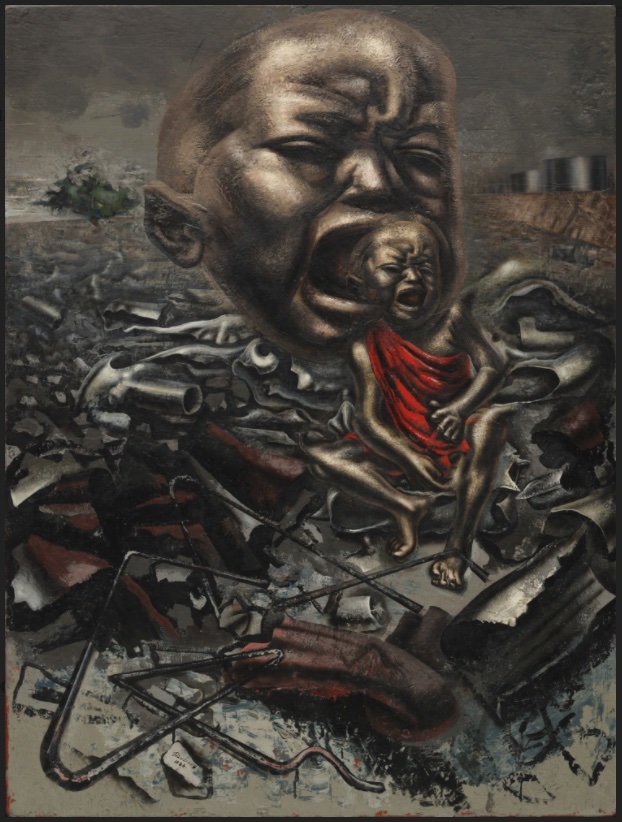
Image: David Alfaro Siqueiros Echo of a Scream, 1937, MOMA.

Toads and Maidens

By Carol Casey


Don’t assume, because some creature rests in your
palm, that it is safe. It knows it’s not.
A toad, dry, rough, bumpy texture like braille—read the
message: I’m better free. My biochemical language
is telling you something vital in the only way
I have: I want to be free. I can make you sick,
just set me down and wash your hands,
don’t touch again.

I wish I could give our daughters this power
to telegraph toxins to unwanted touch, leers, jeers
innuendos that eat away at, soil on, make a burden
out of walking down the street. No simple way to say
I’m better free. The rage can be toxin, or the pivot
that burns the brush, clears the detritus, takes a stand,
leave me alone, wash your hands, unless invited,
don’t touch again.


Carol Casey lives in Blyth, Ontario, Canada. Her work has been nominated for the Pushcart Prize and has appeared in The Leaf, The Prairie Journal, Synaeresis, The Plum Tree Tavern, Bluepepper, Grand Little Things, Sublunary, Oyedrum and others, including a number of anthologies, most recently, Much Madness, Divinest Sense, Tending the Fire and i am what becomes of broken branch. Her recent publications can be viewed on Facebook, @ccaseypoetry; Twitter, @ccasey_carol; and on her web page, learnforlifepotential.com.

Photo credit: Gigi Ibrahim via a Creative Commons license.

America likes to ask

By Emily Knapp 

Are you like me? or

not like me?

Are you normal? or

not normal?

Are you human? or

not human?

Are you a boy? or

a girl?

Are you a woman? or

a man?


America likes to say:

We are right.

You

are wrong.

We are normal.

You

are not.

Fit into my box

or

face the consequences.


Emily Knapp is a writer and comedian living in Denver. She is originally from Chicago, but fled west because she really likes seeing the sun in February. Her poetry has been featured in Writers Resist and Fearsome Critters, and her satire has been featured in Funny-ish, Slackjaw, The Chicago Genius Herald, and Westish. You can read more of her writing on emilyknappwriter.com.

WODB image created by Karla Webb.

Gravity Ungrateful

By Mark Blickley


Yes, I am dressed in mourning.
Dark clothes for a dark time.
Yet I yearn to escape
pandemic imprisonment
with the germ of an idea
that will allow me to soar
above my confinement
in an airborne threat
against complacency and boredom
as I reach up to a blue heaven
that promises social distancing
on a cosmic scale.
But that old bitch gravity
bears down on me,
slapping me down
like a petulant child
crying out
for what she cannot have,
slammed back
to a blanketed earth
of red white and blue.


Mark Blickley is a proud member of the Dramatists Guild and PEN American Center. His latest book is the text-based art collaboration with fine arts photographer Amy Bassin, Dream Streams.

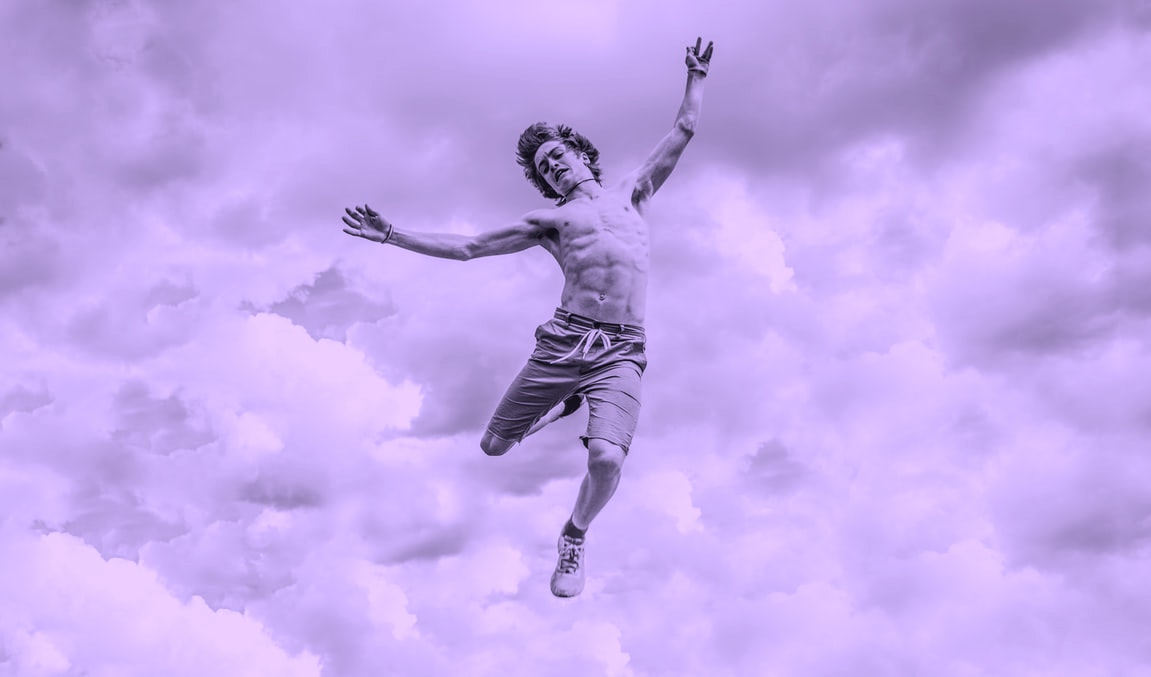
Photo by Shane Rounce on Unsplash.

The everyday

By Ronna Magy


Here, another day, another morning,
another hour, another moment.
Mantle clock refusing to turn
even half round the dial.

She is, he is, they are, the country is,
waiting. For TV anchors, doctors, government officials to
discuss, divulge, to declare
in words, phrases, sentences,
in passages clearly anchored to the land,
stone posts rooted in the earth.
Waiting for words that will
free them, shake them loose from the
unending same: same walls, same doors,
same kitchen, same floors,
same tables, same light fixtures,
the same soundless air.

Hovering about, around, above words, the
numbers rise. Eighteen million
cases yesterday, eighteen million, two hundred thousand today.
Numbers of masks, ventilators, numbers of
black plastic bags.
By noon, the numbers
soar from the charts.
Red line crosses blue.
Red climbing upwards
when it’s supposed to
point down.

Air in the house never
seeming to move.
Dust on cup, saucer, spoon,
dust seeping through cracks.
Dusty soup ladle
arched in the sink.

This, one more morning,
afternoon, one more evening,
one more moment in unmoving space.
Each clock tick
echoing the second before.


Born in Detroit, Michigan, writer Ronna Magy calls Los Angeles home. In her poetry, Ronna combines roots in the rustbelt, community organizing, decades of teaching ESL, and a deeply held belief in social justice. Her work has appeared in: American Writers Review, Persimmon Tree, Nasty Women Poets, Sinister Wisdom, In the Questions, Glitterwolf, Southern Review, Musewrite, and Lady Business: A Celebration of Lesbian Poetry.

Photo by Anthony Tran on Unsplash.

tell me you’re open

By A. Martine

Editor’s warning: sexual violence


i wake from the dream with gashes in my chest
snakes turning warm on my blood
half-interred in the wounds
while i go maybe it was me
surely it was me, surely it was me

athena would have torn
them from me and slung them
at my head to stop the babble
had i, in her temple, done the babbling

it wouldn’t have made a difference that i was
sixteen and he thrice that, rapacious
where i was not: he bore poseidon’s might
by virtue of being a man. even his
threats colored off like jazzy quips
to surrounding ears

till even i considered
maybe it was me, maybe it was me
till i inflected each word in turn
to change the sentence’s meaning

and make it more + less palatable

friendless forlorn empty dysmorphic
and sixteen, and sixteen, and sixteen
the sort of spotlight that should be
exhilarating: gift after
palliation after urging
meant to soft-pedal the panic gong

he said
tell me you’re open
instead
don’t say no, say maybe
be kind
i am offering love
and you
are killing, are killing
me

violation: to be stripped
to the flaring
flesh, and be demanded modesty

it’s been over ten years now
i’ve said it with less conviction since
knowing better

but sometimes i am capsized
from pre-slumber by that thought
maybe it was me
surely it was me
i said no, said no again
should have maybe sung it like a gorgon


A. Martine is a trilingual writer, musician and artist of color who goes where the waves take her. She might have been a kraken in a past life. She’s an Assistant Editor at Reckoning Pressand co-Editor-in-Chief/Producer/Creative Director of The Nasiona. Her collection AT SEA, which was shortlisted for the 2019 Kingdoms in the WildPoetry Prize, is forthcoming from CLASH BOOKS. Some words are found or forthcoming in: Déraciné, The Rumpus, Moonchild Magazine, Marías at Sampaguitas, Luna Luna, Bright Wall/Dark Room, Pussy Magic, South Broadway Ghost Society, Gone Lawn, Boston Accent Lit, Anti-Heroin Chic, Cosmonauts Avenue, Tenderness Lit. Follow her on Twitter, @Maelllstrom and visit her website at www.amartine.com.

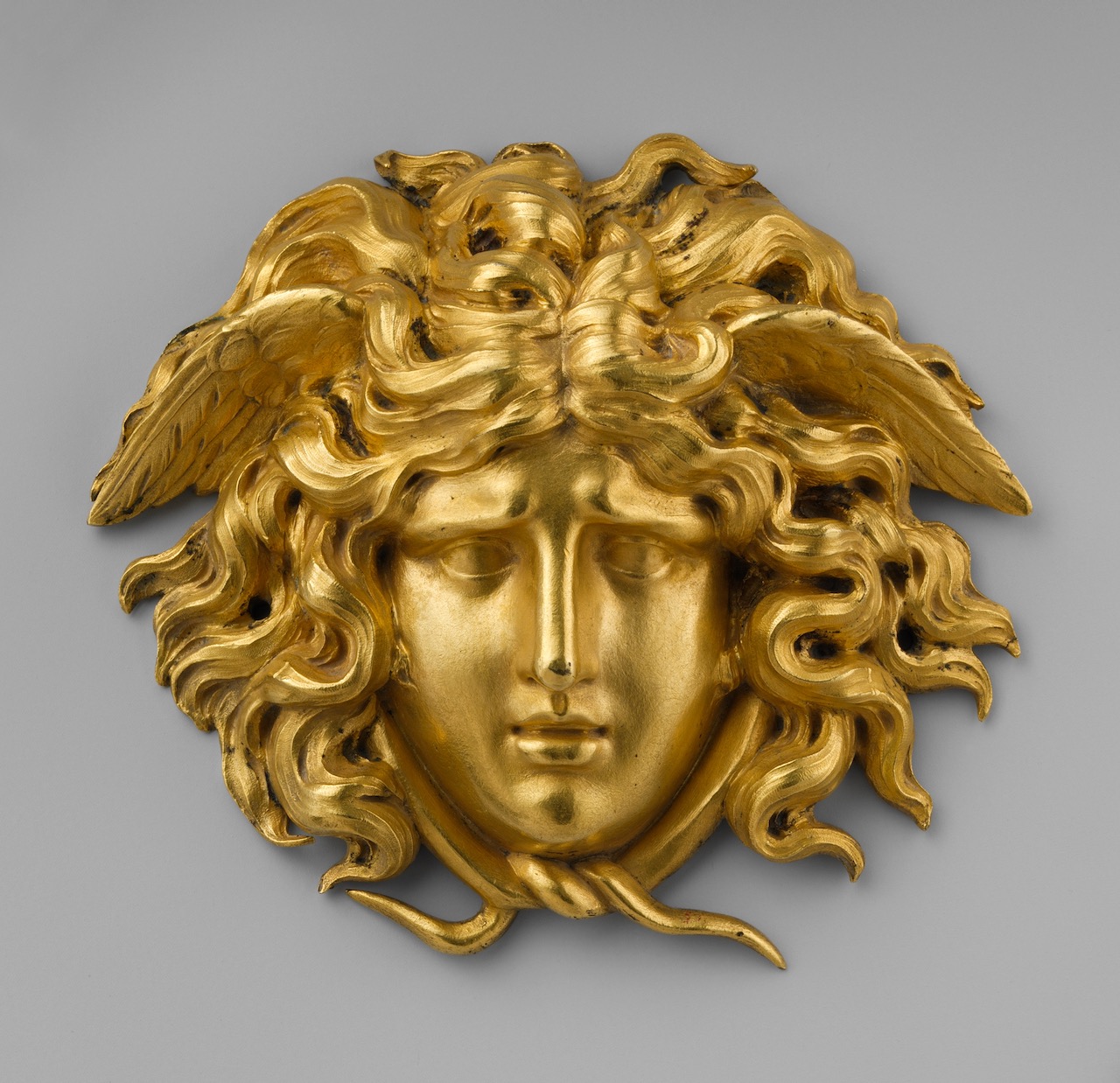
French Medusa mask, gilt bronze, late 18th century–early 19th century, courtesy of the Metropolitan Museum of Art.

Editor’s note: If you are experiencing, or have experienced, sexual, physical, psychological, emotional, and/or financial violence, you do not deserve; it is a crime. If you are in the United States, please call the National Sexual Assault Hotline, at 1-800-656-4673, or the National Domestic Violence Hotline for help: 1-800-799-7233.

Refugees Displaced in Foil

By Uzomah Ugwu

The guards did not even give us numbers
or sound the vowels in our broken names
that were whole before we arrived
at this destination
that keeps us moving in grief.

She asked what I wanted to eat
like we weren’t going to die here
at any minute, any hour,
borrowed moments we could,
would, not be given back.

She asked with a burnt punctuation
I was forced to feed on for a while ’til
I forged an answer off my dry and unused throat.
Words I cannot remember at all
95 degrees, it did not matter

She grabbed my hand and placed it on my belly,
like she was giving me direction to another life,
and smiled. I wanted to beg her
to take her happiness away
for this was not the place,
here where we laid wrapped in aluminum,
where they baked off our rights as they chose.

We did not give up our freedoms
to feel this consumed.

Her eyes yielded to the floor
for we all were crossing over the border
in hopes of so much more.

Such a high risk for a life
we thought was a myth.
Was it worth it to be sitting here,
like a chicken on a stick
they do not even turn over—do or won’t?

Before I could listen to my grief any longer
she stopped me, looked at me
leaving thorns in my eyes as she said,

“You are always going to be them.”
If you don’t think you have worth in this life,
if you don’t, they will eat you alive.
She took my hand and gave me an orange and smiled,
gazing at the foil that covered us,
smothered refugees


Uzomah Ugwu is a poet-writer and activist.

Photo credit: Mitchell Hainfield via a Creative Commons license.

Trump Tower

By Lao Rubert


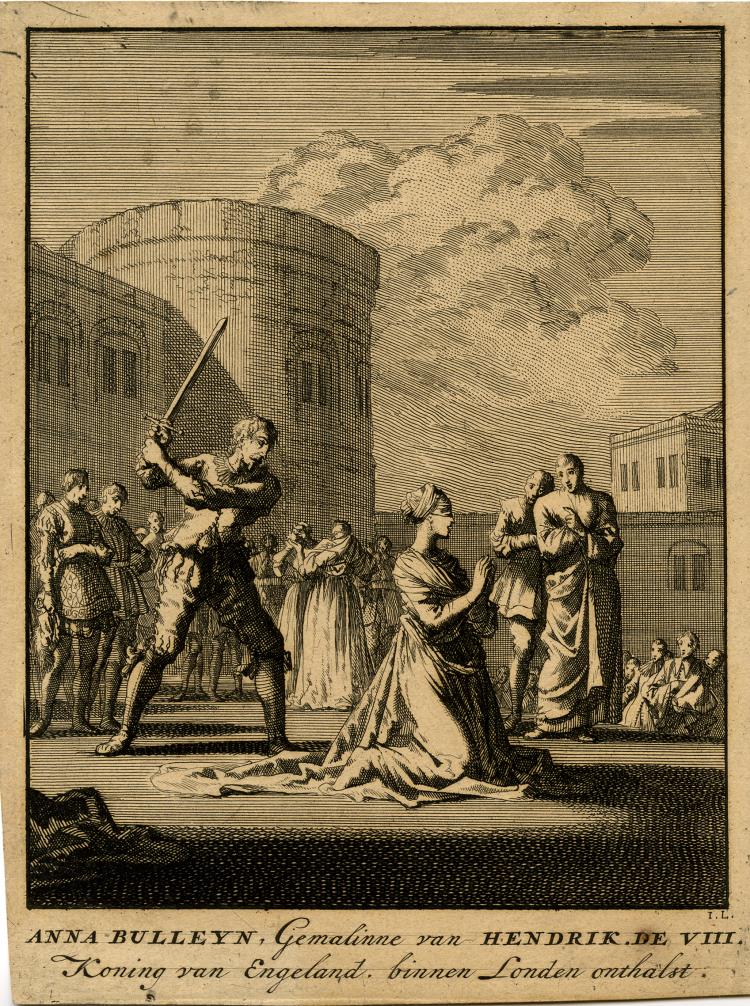
She thought life in the castle would be great,
high up in the palace where Anne Boleyn had lived,
but had forgotten to read her history,
was busy with reality TV and those tasks
were the business of her personal Cromwell,
the minister who neglected to inform her
of the bruised eyes of the late wives,
the turret and the rolling heads.

He had forgotten to mention that her beloved was a poster boy,
a plump model of abuse all dressed up in power, a real
royal bully with sycophants using the power of state
to contain his paramour, who happened to be her.
She never saw the beautiful bondage,
never saw the bully buoyed by his armada.
She was too busy purchasing the next gown
when the guillotines went up,
the next reality star took her place and her head fell
swinging into the basket
leaving her body,
fresh perfumed pulp for the tabloids.


Lao Rubert is a poet and advocate for criminal justice reform living in North Carolina.   Her poems have appeared in Barzakh, New Verse News, the NC Independent, The Davidson Miscellany, and the Raleigh News and Observer.

Editor’s note: If you are experiencing physical, psychological, emotional, sexual and/or financial abuse, you do not deserve; it is a crime. Please call the National Domestic Violence Hotline for help: 1-800-799-7233.

Image credit: The British Museum.

An Accounting

By Dianne Wright

“What is poetry which does not save nations or people” – Czeslaw Milosz


of the knowns:

25 years, the age of Ahmaud Arbery, gunned down by
2 white men.
1 white man filmed the assault.
2 prosecutors recused themselves.
1 recused prosecutor recommended no charges.
0 charges brought against the shooters for 2 months.
0 people who came to his assistance as he ran for his
1 life.
0 weapons found on his innocent, dead body.
2 times I have walked uninvited in an unconstructed house with no consequences.

of the unknowns:

How many yards did Ahmaud run to escape the killers?
How many heard LeBron James say
“We’re literally hunted every day”?
Where is the violence? On the streets? In the hearts of white men and women?
What are the right questions to ask and who should be asking them?

How many white people will open their eyes to this mortal wound?
Rise up against it?
What’s the story going to be this time?
Am I doing enough showing? Or too much telling?
What would a poem look like that exhorts white people to action?

In the moral wilderness I see people running for
their lives while streetlights reflect the shiny
triggers of guns in pale hands and I
raise my cup to drink a glass of sparkling metaphors
but the bubbles blast my eyes, blind me to my own

culpability and failure to do the right thing.
If the function of freedom is to free someone else*
how many poems will it take
to take down white supremacy?
Is that poem a blunt instrument or a song?


Dianne Wright is a disabled poet and social justice activist who lives in the High Desert with her 2 cats.

Photo credit: Victoria Pickering via a Creative Commons license.

* From Toni Morrison’s 1979 Barnard Commencement Speech, “I Am Alarmed by the Willingness of Women to Enslave Other Women.”

Here in the Future

By Keith Welch

The Future Ain’t What it Used to Be. –Yogi Berra


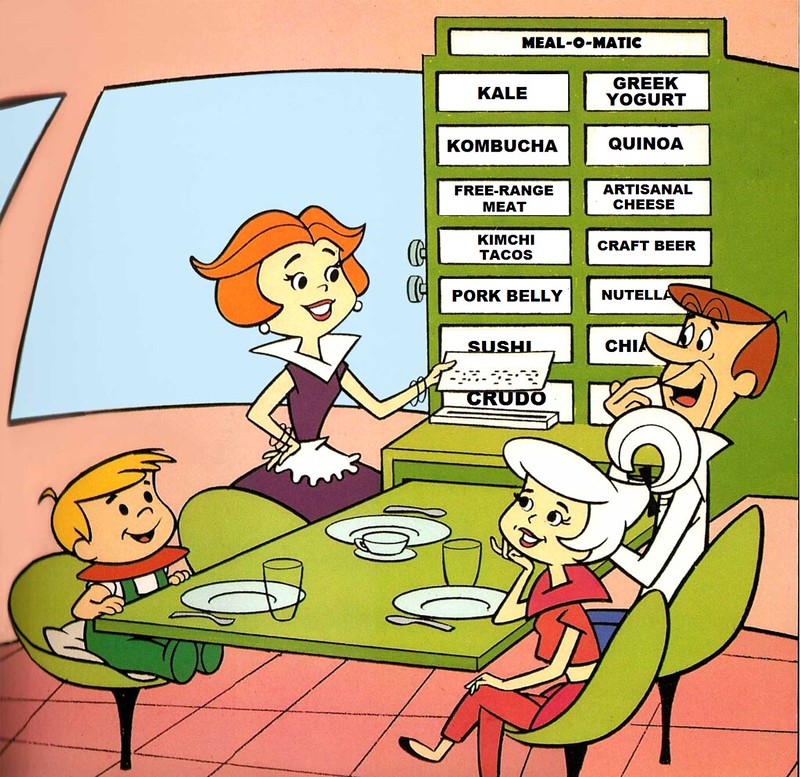
We were promised flying cars,
and condos on the moon, even
racial equality: all those great sci-fi gags.

Those were the glory days,
the Future. Everything polished
smooth and covered in chrome.

In the fifties, we had the scent
of unlimited progress in our
exceptional American nostrils—

the Future marched forward,
smelling of plutonium and plastic,
with just a hint of napalm. The Future
chanted loudly as it came on.

Then the sixties were assassinated
and we got the hard word,
written in blood: that much
optimism might be overly optimistic.

Welcome to the future, where flying
cars remain scarce, the moon remains
distant, and we have all the equality
our police will allow.


Keith Welch lives in Bloomington, Indiana where he works at the Indiana University Herman B Wells library. He has no MFA. He has poems published in The Tipton Poetry Journal, Open: Journal of Arts & Letters, Dime Show Review, and Literary Orphans, among others. He enjoys complicated board games, baking, talking to his cat, Alice C. Toklas, and meeting other poets. His website is keithwelchpoetry.com. On Twitter: @TheBloomington1.

Image Credit, “Modern Kitchen” by Mike Licht.