Coincidence
By Minnie Bartlett
On the first day of winter, when it rained so hard I thought it might snow, I got in my car and drove fifteen minutes to the shopping mall. I walked into the hiking store I’d rarely had a reason to go past, though my penchant for practical flannel and worn-out boots made me fit right in. Five minutes later I walked out, down jacket in my possession.
It was so unlike me to splurge, so at odds with the personality I had carefully crafted, that you couldn’t help but notice. You said nothing, but I saw in your face that you were surprised.
For you, this was a fun jaunt into adulthood. A playing at pretend in real life, where you could go through the motions expected of you, careless of your mistakes. If you came up short, did silly things expected of twenty-somethings, your parents would bail you out, with barely a question or need for an explanation.
I never envied you for this, though jealousy would rise when I noticed how reckless you could be. It felt occasionally that there were chasms between us. I understood your lifestyle, the ease with which you moved through the world that I was only pretending to embody.
Yet all of this came later. The initial story, a trick of the lighting most would call faith, but for which I much preferred coincidence.
The first night we met, I’d just moved to the city. I walked into a bar and sat on a stool. Briefly, I wondered if this was something people really did. I’d seen it in movies and TV shows, and though I fancied myself a main character—everyone did at that age— I couldn’t quite confirm that sitting alone at a bar, drink in hand, was a normal thing to do.
You walked in alone and sat down next to me. Ordered a beer in your deep, gravelly voice, a crooked grin spreading across your face. It wasn’t until the bartender placed it in front of you that you looked at me. Your eyes traced from my hairline down to my shoes and I was suddenly and intimately aware of how I looked.
In hindsight, I will say that I trusted you instantly. That somehow you were knowable to me. Honesty prevailing, however, I will admit that I was afraid. Of who you might be, of what you might want. None of that, though, was present in the conversation, only in my frantic kicking beneath the surface just to stay afloat.
“Jet,” you said by way of introduction, hand stuck out to shake mine. I never felt quite prepared for handshakes, and I fumbled as I offered my own name in return. “You’re new in town?” you asked, which despite being a presumptuous question didn’t come across as rude.
“Just moved in,” I said, though that did little to add to the conversation. You ran your hands through your hair, and it was so inky black I was almost surprised there wasn’t dye on your hands. Jet was a clever moniker.
You asked the bartender to bring me another drink, though really it was my first. Twelve-dollar beer was beyond my capacity, and I’d been sipping water hoping it looked like vodka. Without concern, you swiped your card on the screen.
You started talking then about nothing really, and I couldn’t help but wonder what exactly you were doing here. I tried my best to keep up the conversation, but you hardly needed encouragement, quite happy to talk essentially to yourself, provided I stayed with you.
Half an hour later, your friends came looking for you. You were meant to meet them, apparently, but had gotten distracted talking to me and forgotten completely about your plans. From the looks on your friends’ faces, this wasn’t the first time such a thing had happened.
The night unravelled from there, and I woke the next morning lying on a couch, awareness coming in fits and starts. My head was pounding. After confirming my keys were still safely in my pocket, I forced myself up, vaguely noticing a friend of yours asleep on the other edge of the couch.
I found you blending a smoothie in the kitchen, looking fine, and feeling, I assume, the same.
While for me it had been a big night from which I’d have to recover, for you it had obviously been just another in the line of youthful fun. I politely declined when you offered me half of the green-tinged smoothie, and went on my way.
We became fast friends, though I still don’t quite know how. You would message me frequently, and, enamoured, I couldn’t help but respond. In between the exuberant life you led and I followed, I felt my capacity to stay afloat diminish.
My apartment was barebones. I tried not to let it bother me, and was hardly there anyway, coming and going only to sleep and otherwise filling my days in the wider world. But when people suggested we head back to my apartment, its location quicker or easier, shame would rise unbidden. The excuses I made were wearing thin, and our increasingly shared friends didn’t understand. While they never held it against me, I knew instinctively there was a divide that was growing.
The life I had chosen, this life of partying above my means and pretending the consequences would be minimal, was going to come running after me, and I’d never been that fast.
Eventually, you suggested we move in together, split rent and keep the party eternally going. I instinctively wanted to disagree, though I was in no position to do so. My gas bill hadn’t been paid, and while I had an electric stove, the place had little insulation, and I was constantly putting on another layer.
When I unlocked the door and pushed it open, you standing at my side, I saw the surprise on your face. I don’t know what you thought you would see, but I was nervous nonetheless.
“Ta da,” I said lamely, the words landing a little too earnestly to be a joke. You nodded, like you were finding words you’d never had to use before.
Before I knew it, you were smiling again, nodding to yourself like my life was a challenge you were willing and able to take on. You threw me your car keys, and we shoved my overfull duffel bag—the one I’d had since I was a teenager—in the boot of your car.
Though you had your licence, you always wanted me to drive, whether from comfort or a quiet worry about being over the limit, I was never sure. But I was more than happy to oblige in your red VW hatchback, which I took great pleasure in revving just a little too much on occasion.
You’d control the speakers, just soft enough that it wasn’t distracting, and I would laugh at your choices. You were the only man I knew comfortable enough to listen to Gracie Abrams and Olivia Dean shamelessly, and after not long, we both knew the words to every song you’d play, singing quietly and simultaneously.
You were leaning forward, looking out the passenger window. Your Star of David chain had fallen from underneath your shirt, and your hair was mussed from the wind. You were very pretty, almost feminine in your features, though you had an undeniable masculine quality that meant you fit in effortlessly with women and men alike.
The day we moved in together, you suggested I take the smaller bedroom and pay 40 per cent of the rent to compensate. I wanted to argue, but we both knew by now that this was a luxury I could not afford.
The first week, neither of us knew quite what to do with each other in the mornings. You were an early riser, which I hadn’t anticipated, and I’d come out of my room to find you already at the kitchen table, reading something on your phone, coffee going. You’d look up, nod, go back to reading. I’d make toast.
It was a Thursday night sometime in the second month when I came home to find you’d cooked. Nothing elaborate—pasta, a jar of sauce, cheese grated on top—but the table was set and you were waiting, though you’d never have said so, eyes fixed on your phone with studied nonchalance. I sat down without comment. We ate without ceremony. You asked me nothing about my day and I offered nothing, and it was the first time in a long time that silence felt like company rather than absence.
Afterwards you washed the dishes and I dried them, a division of labour we’d never discussed and would maintain without negotiation for the remainder of our time there.
Six months later, the Melbourne winter had well and truly faded to a scorching summer where being outside long enough only to move from a car to a building felt sufficient to invite skin cancer. Gone were the nights of stumbling home well after dark, instead it was the season of house parties, and I routinely spent more on alcohol than food.
A thin layer of dust covered almost everything we owned. We loved our home, but we had not cared for it. Such was the way of youth.
So when the doorbell rang in the middle of a sunny afternoon, which we were luxuriating in, ignorant of the work we were supposed to be completing, neither of us had any idea who it could be.
I went to the door, more anxious than you to see who it was. Long auburn hair and green eyes, mirrored, I knew, in my own, made my stomach flip. We hadn’t spoken in eighteen months, and when I said I was leaving, she did little more than say okay, assuming perhaps that I’d be home before long.
Obviously, she’d become tired of waiting. You let her in with a grin and a wave, a cursory glance between the two of us telling me you’d filled in the crevices of our relationship, familial and messy.
It was when she said a name, unfamiliar these days to my ears and foreign to yours, that you recognised what was happening here. You existed in a landscape of media that understood people like me, though it perhaps hadn’t been until this moment that the pieces of my life fell into place for you.
I said nothing at all as she explained to you what it meant to have a daughter who left. The child she missed and wanted back. Selfish though it may have been, I had worked to never think of her perspective. To stay would have been to lie and make friends with my own misfortune.
You were polite as she talked, though the stories of girls’ nights out and dress-up parties from childhood sounded more like a scene from a movie than anything, even to my own ears.
Perhaps she recognised in you someone who might be swayed by swift speech and provocation, but she had misunderstood. You were the swift talker, and you would not be swayed.
“Your son is my best friend,” you said, kind yet biting somehow. I ignored the flash of embarrassment at the language you had chosen, feeling for the first time in a long time like a fraud in my own skin. I focused instead on the truth of it, though complex at times, ultimately built on a camaraderie of boyhood I was becoming privy to.
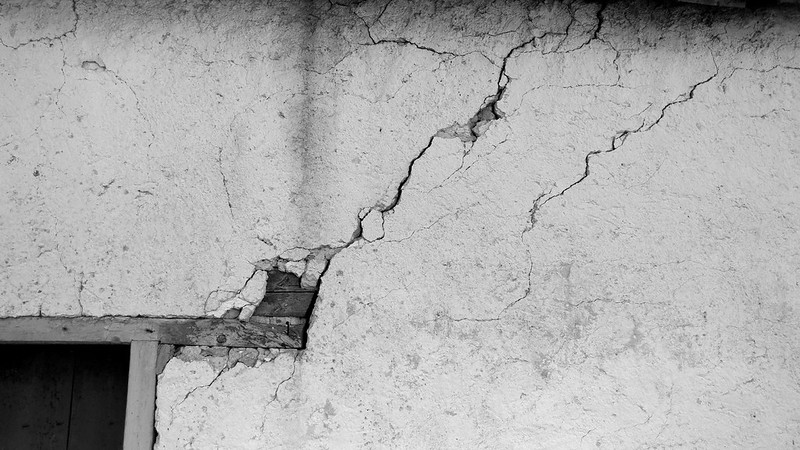
Ignoring this completely, she addressed me, instead of speaking through you like a parent passing messages through a child. “I wanted to see where you were living,” she said, looking pointedly at the crack blooming up the kitchen wall.
She couldn’t understand my choice, thought somehow that I was blaming her for who I was.
She asked me to come home with her. For nostalgia? Family? It was unclear. I thought of seven hours on windy country roads, nothing but each other for company. I opened my mouth to speak, looked at you instead of her, and saw your furrowed brow, like it wouldn’t completely surprise you if I said okay, like there was a part of me that was longing for exactly this.
“I think you should go now, Mum.” I said, not meeting anyone’s eyes. The moment she entered the room it had turned stale and claustrophobic, filled with untenable energy and a vague sense of dread.
Speaking generously, I will admit that this was not her intention. That in her mind she had imagined a reunion of mother and daughter, only to find the person she knew existed no longer. Closing the door, I traced the features of her face, searching for an image I could forever recall, for the moment had a sickening finality.
The silence was supercharged. You were standing, leaning against the wall, toying with your chain like it was keeping you steady. I assumed this unease was directed at me. That the lies I had built to protect the truth of who I was were crashing down around me, finally enough to ruin the foundation of this life I had built.
Your eyes were bright in the reflected sunshine. They were fixed directly on me, searching.
“I know,” you started, “that we don’t really talk about these things,” I nodded. “But I’m sorry that I made you feel like we couldn’t.”
“I’m just glad we’re here.” I forced my eyes to meet yours. “Together.”
In lieu of further conversation, you flicked the kettle and we made tea, which is something we had not done before. But we were building a life for ourselves that exists to make us happy.
Minnie Bartlett is a young writer from Naarm/Melbourne, Australia. She is studying literature at university. She is proud to be a part of the LGBT+ community.
Photo credit: Crack by Gianna Jarvis via a Creative Commons license.
A Note from Writers Resist
Thank you for reading! If you appreciate creative resistance and would like to support it, you can make a small, medium or large donation to Writers Resist on our Give a Sawbuck page.