
Goodbye and Good Riddance
By Carolyn Gevinski
This is not Polly’s first murder, Polly thinks. Malbec blood spills between her fingers.
But this is the first time she feels for what she’s done. Guilt, in every crevice of her body. Shards of remorse, glass between her thighs.
It’s a stupid thought, but she thinks it anyway. Goodbye, goodbye, goodbye.
Even when Calum Allenton’s Dodge Challenger spun off Route 9 and wrapped like violet licorice around a streetlamp, Polly felt nothing. Nothing, but the sharp swell of relief.
“Good riddance,” she said aloud to the town paper. The paper didn’t talk back, but her mother smacked her bald across the face.
“You killed him! You killed him!”
Spread-eagled in a blossom of red, Polly coos to the dead thing. “You didn’t deserve this, dead thing. But life is no fête, I promise you that.” She swims in it, sticky all over. Fractured, splintered, freed, is the dead thing, and Polly is left behind.
It feels right, for an instant, to pretend that the dead thing is taking her with it.
Lead venom from her lips races toward her heart. Useless gray veins under paper. Polly withers before she has the chance to age. The chemical reaches its target and when her eyes flutter closed, a throng of parishioners form a halo in the sky.
“Whore,” they chant, her mother among the cult. “Satan! She-devil!”
Those wretched missionaries. Polly laughs. And once they set her off, she cannot stop. A bubble pops at the corner of her mouth. No air spills between her clenched incisors, but she is laughing, yes laughing. Through the guilt, not over, not under. The dead thing laughs too. Polly can hear it babbling in her mind. They laugh, and they are one, and they are nothing.
Ringing, like bells at Christmas. It’s true that life flashes before your eyes. Polly’s glimmer, and she’s fourteen again.
Tarring mascara and stolen whiskey. A cracker that Calum shows her to feed the ducks with. That is, before he holds her down in the bank.
It’s a curse, to be fourteen.
Calum Allenton drags his feet on the way out, head hung. Ducks into the car. Everyone in school is watching Calum, but Polly is watching Mrs. Abraham. Unabashedly, the woman watches back. Knowing Polly inside out and stuffing strewn all over.
You called them.
A week later, Calum Allenton is dead, and Polly’s mother calls her a killer.
Good riddance, Polly tells the paper.
Good riddance, echoes Mrs. Abraham. The back of her hand feels cool on Polly’s welt.
“You will never be fourteen,” Polly tells the dead thing. They lie together on the grout.
At her checkup, the doctor will whisper, “You did what was necessary.”
But as she’s leaving, the folks with signs will spit at her. So many people have words to say about what Polly’s done.
“Goodbye, goodbye, goodbye,” Polly hisses.
“And good riddance,” she says to the thing that she never wanted, and never wanted to want, and never did.
Carolyn Gevinski’s poems have been published in Across the Margin, Lavender Review, and Prosetrics and are forthcoming in Scapegoat Review, Academy of the Heart and Mind, and ΑΒΛΑΝΑΘΑ. Her journalism can be found in El País, GLAMOUR, Grassroots Magazine, Al Jazeera, and Out Magazine. She is a graduate of Columbia Journalism School, where she currently works on their postgraduate investigative team.
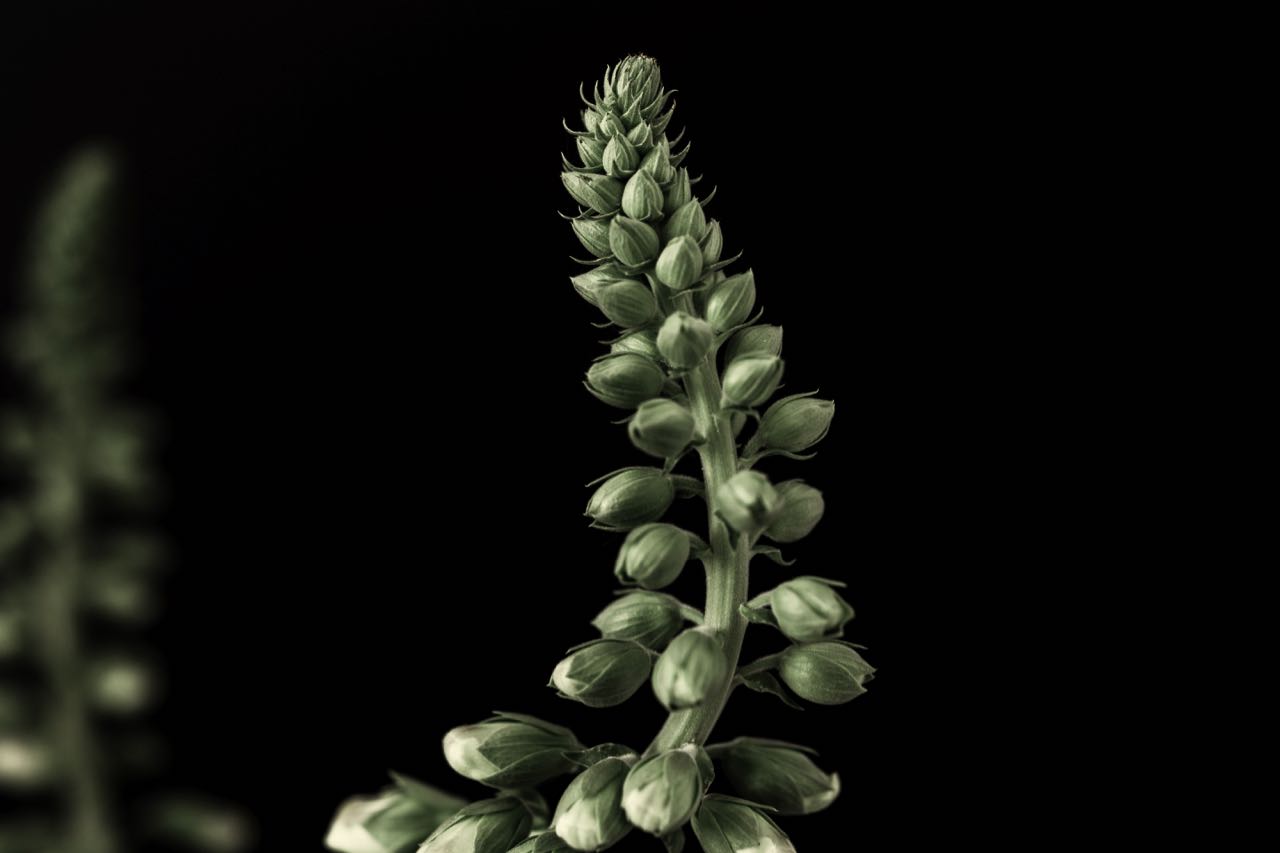
Photo credit: Olya Prutskova via a Creative Commons licanse.
A Note from Writers Resist
Thank you for reading! If you appreciate creative resistance and would like to support it, you can make a small, medium or large donation to Writers Resist on our Give a Sawbuck page.