Wise Counsel From a Lecture Course Grader

Dear Undergrads,

As the poor soul who has been grading for this class for two semesters, suffering through countless horrifying exam answers and weak-ass essays, I have decided to share some useful exam tips with you all.

  1. WRITE LEGIBLY. If I cannot read your writing I obviously cannot understand your answer, which means I cannot determine if your answer is correct or not, which in turn means I cannot give you points.
  1. WRITE COMPLETE SENTENCES. You are adults. You are in college. You can legally vote. You can legally purchase cigarettes with which to kill yourselves and porn to ruin any chance of having a realistic and mutually pleasurable sex life. If you can do all of these things, then you can also write complete freakin sentences on your exams.
  1. ANSWER THE QUESTIONS ASKED OF YOU. I think it’s great if you know lots of information about what Jean Jacques Rousseau liked to eat for breakfast, but unless you are specifically asked to relay that information, it is useless. Listen, I was an undergrad not too long ago. I know this trick. You write as much as you can on a question’s subject, hoping to keep the professor from noticing that you didn’t actually answer the question. Believe me, I have pulled that stunt plenty of times, and I did it better than any of you, and I still didn’t get points for it because IT DOESN’T WORK.
  1. USE YOUR BRAIN. When you are trying to answer a question about the Reformation, and you start writing about how Martin Luther King Jr. was pissed with the Catholic Church so he wrote 95 theses called “I Have a Dream,” put your pen down and take a moment to use your brain. Martin Luther King Jr. is a name that everybody who grew up in the United States should have embedded in some part of their brains. It’s a name that should evoke some memory of that week in high school when you learned about the Civil Rights Movement, , or at the very freakin least you should remember that we celebrate him once a year on MARTIN LUTHER KING JR. DAY. You should put that pen down, stop, and think, “Hmm, I know the name Martin Luther King Jr., and I know that the Reformation occurred, like, a really long time ago and this midterm covers only stuff until the Industrial Revolution and Marxism, because that’s what it said on the study guide. If the Reformation happened, like, a really long time ago, then Martin Luther King Jr. probably had nothing to do with it since he’s only from a long time ago, not a really long time ago. I must be confusing Martin Luther King Jr. with someone who has a similar name.” Unfortunately, what so many of you did was NOT put your pens down and use your brain, but instead, you continued to write about Martin Luther King Jr. instigating the Reformation 412 years before he was born. Use your brain.
  1. GIVE AT LEAST ONE FUCK. Out of the entire class only three of you turned in exams that received passing grades. THREE. Everyone else got Ds and Fs. Look around the room right now. This is a room of failures. And this is not because the class is hard or the professor doesn’t make sense or Grandma died or your dog ate your homework and then pissed all over your textbook. No. You failed because you don’t care. I know that most of you give zero fucks about U.S. history. Your apathy is deplorable. But we are entering an era in American history when apathy will very quickly become this country’s downfall. It has already begun, as was made crystal clear by the results of the election. If you people don’t open your eyes and start paying attention to things that are more important than your own lives you’re going to wake up one day and you won’t have any civil liberties left. You won’t be able to dick around online during class because Trump will have bought the Internet and turned it into a giant cyber shrine to himself. It is exponentially easier to strip people of their freedoms when they are lulled into complacency by their own pathetic apathy and ignorance, and right now you all might as well be wearing signs on your chests that read, “Lock me up in an interment camp, I give zero fucks.” So please, if not for the nation’s sake, then for your own, give at least one fuck.

Sincerely,
Your anonymous grader


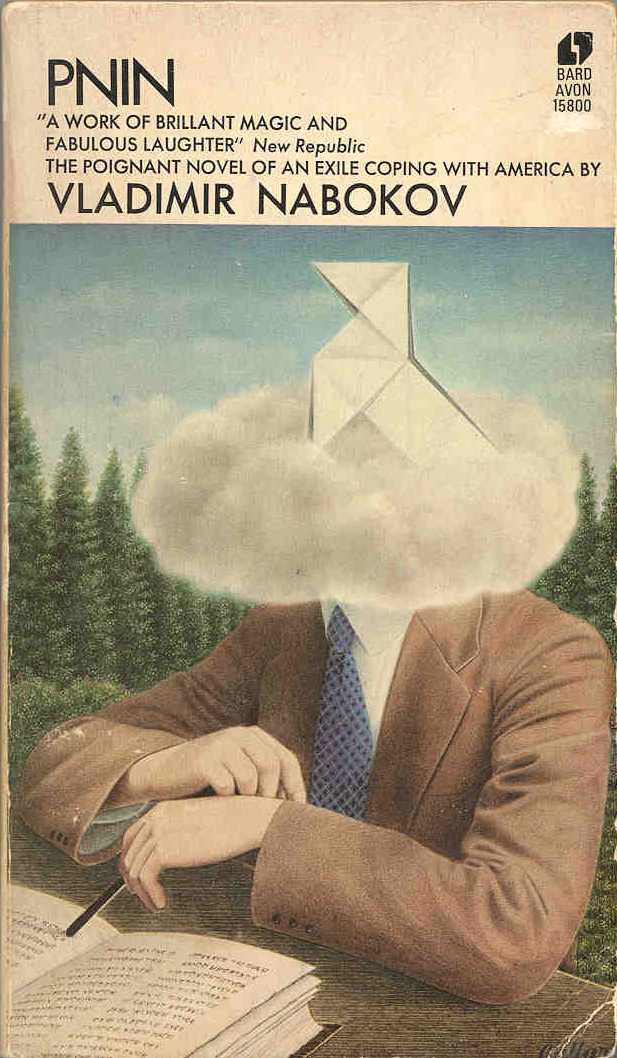
Reading recommendation: Pnin by Vladimir Nabokov
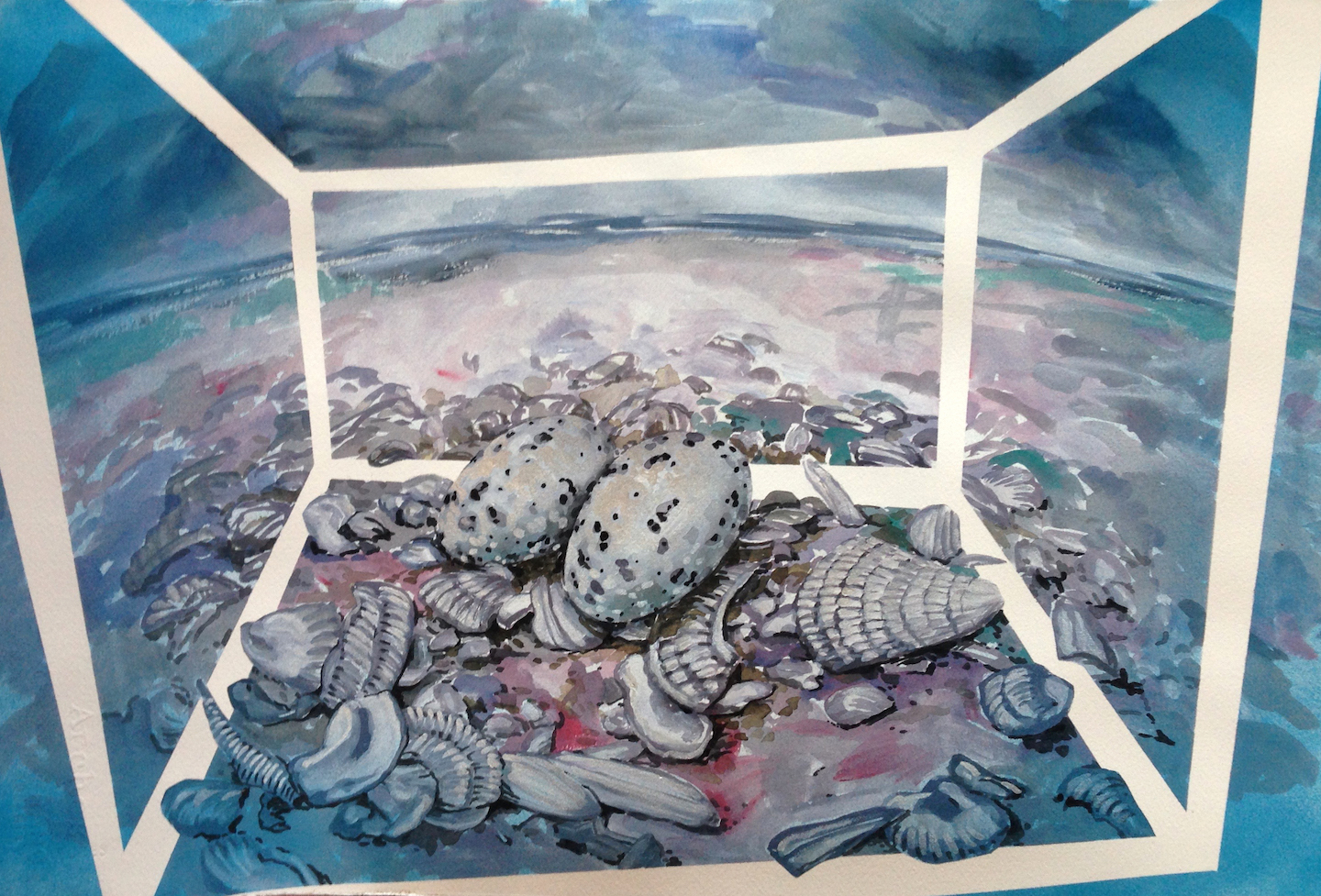
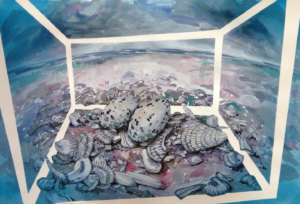
California Least Tern Eggs

California Least Tern Eggs


By Anna Stump

Artist’s statement:

I have painted birds periodically throughout my life, mainly as a symbol for fragility, both personal and political. “California Least Tern Eggs,” from my Terrariums series, is mixed media on paper. Terrariums began as a series depicting Passenger Pigeons, which are extinct. I’ve expanded the subject to include endangered birds, their eggs, and other natural elements from the San Diego-Tijuana border, where I live.

The forced-perspective boxes of the series suggest architecture, coffins, and permeable borders, in which the natural elements are both trapped and preserved. I want to both hide, through camouflaged backgrounds, and decorate with flashy metallics. Formal qualities of abstraction, gridding, and figure/ground flipping, combined with political subjects dressed with decorative tropes, are important elements of all my work, which includes nudes, narrative interiors and portraiture.

California least terns are endangered and, at one point, only 600 nesting pairs remained. They nest on the sand where beach goers and the military, which has bases on the coast, can crush the eggs.


Anna Stump is an artist and arts educator living in San Diego. She earned her Bachelor’s degree at Occidental College and her Master of Fine Arts at San Diego State University. She was a Senior Fulbright Scholar to the Fine Arts Department at Anadolu University in Eskisehir, Turkey in 2006-2007. She teaches studio and art history courses at San Diego City College and Grossmont College. She also teaches drawing and painting at Donovan State Correctional Facility. Her work can be viewed here.

Anna’s New York Times reviewed blog of three years, Kloe Among the Turks, examines the art scene in Southern California and Turkey, and issues of arts education. In 2009, she curated an exhibition of 130 artists from Southern California and Turkey, presented in San Diego, Los Angeles, Istanbul and Ankara.

Anna is the founder of the San Diego Feminist Image Group. She is a member of Mid-Air Trio, an improvisational group that combines painting, dance and soundscapes in live performances. She is one-half of the painting team Hill&Stump. The artist is represented by MLA Gallery in Los Angeles, Sanatyapim Gallery in Ankara, Turkey, and Sparks Gallery and Sergott Contemporary Art Alliance in San Diego. She was recently profiled in the Huffington Post by Mat Gleason for her new work, “Sexy Jesus.”

Citizen

By Susan Arthur

The day, as I write this, is November 9, 2016. Yep, the day half of us in America wander about in nearly lobotomized shock at Trump’s win. We look for solace from each other, wonder what to do. There have been whispers for some time about moving to Canada. I hear the Immigrate to Canada website crashed.

I’m fortunate. I don’t need that website. I’m a dual citizen: United States and Canada. I live in the U.S., born here to Canadian parents. I was invited to get my Canadian citizenship under the Lost Canadians law as a child of expatriates. I’ve been looking at property in Canada online all morning, land in Cape Breton, cottages in New Brunswick. An apartment in Montreal? Or maybe one in Toronto, where my father went to college. …

It soothes me to look. This could be something of a return home, a return to a motherland. I’ve never been as popular among my friends. “Take me to Canada with you!” (Am I leaving?). “Marry me!” (I am married, but thanks for the offer.) “Buy property so all of us future ex-pats can form a little community!” (Because Utopian communities always work out so well?)

My husband, an American whose family goes back generations in Massachusetts, is a board certified oncologist and clinical research doc. Canada would lay down the red carpet for him, whereas me, I’m just an artist. My French is awful, although my health is good, but if they didn’t have to take me, who knows what would happen?

Three years ago, we made a wrenching and grueling move from the Pacific Northwest, after decades there, back to New England. I’d lobbied for a move to Canada then, wanting to settle in a place that seemed more like the country I wanted than the country I had (forgive my backward paraphrase of Donald Rumsfeld). I was tired of flirting with Canada. I wanted a real relationship, a committed one. Instead, we’ve settled on coastal New England because a desirable job was here for my husband and he was uncertain about expatriating, especially in the face of what seemed like a solidly progressive U.S. We had, after all, an intelligent, progressive man in the White House. We were safe.

Today, I am sad and embarrassed, scared and angry. The U.S. has always been my home. I work here, raised my sons here, vote here. All those years of supporting and working for human rights—women, minorities, LGBTQ—are they—those rights, my years—about to disappear? My hope that we will finally address income inequality is withering, dying. My husband and his workmates are concerned about the Affordable Care Act being dismantled; what will happen to those people needing cancer treatment? Any treatment? And then, there is our fragile, threatened environment. Without a habitable earth, all of these questions are moot.

Like so many of us, probably all 65-plus million who voted for Clinton, I am looking for a path. If I were to take up residence in Canada, I would forfeit my right to vote here, to have any impact on future elections. And I am coming up on my 66th birthday. How much time and energy do I have? How many times can I engage in the same battles, the battles I thought were over and won? What can I do that will have some effect?

Hiding in Canada won’t do it, although I long to live in a place that shares my values. And oh, how I envy them Justin Trudeau.

But as I write this, it gets clearer and clearer, what I need to do. Will do.

I’ll take the weekend off. I need a moment.

And then, I will begin again.


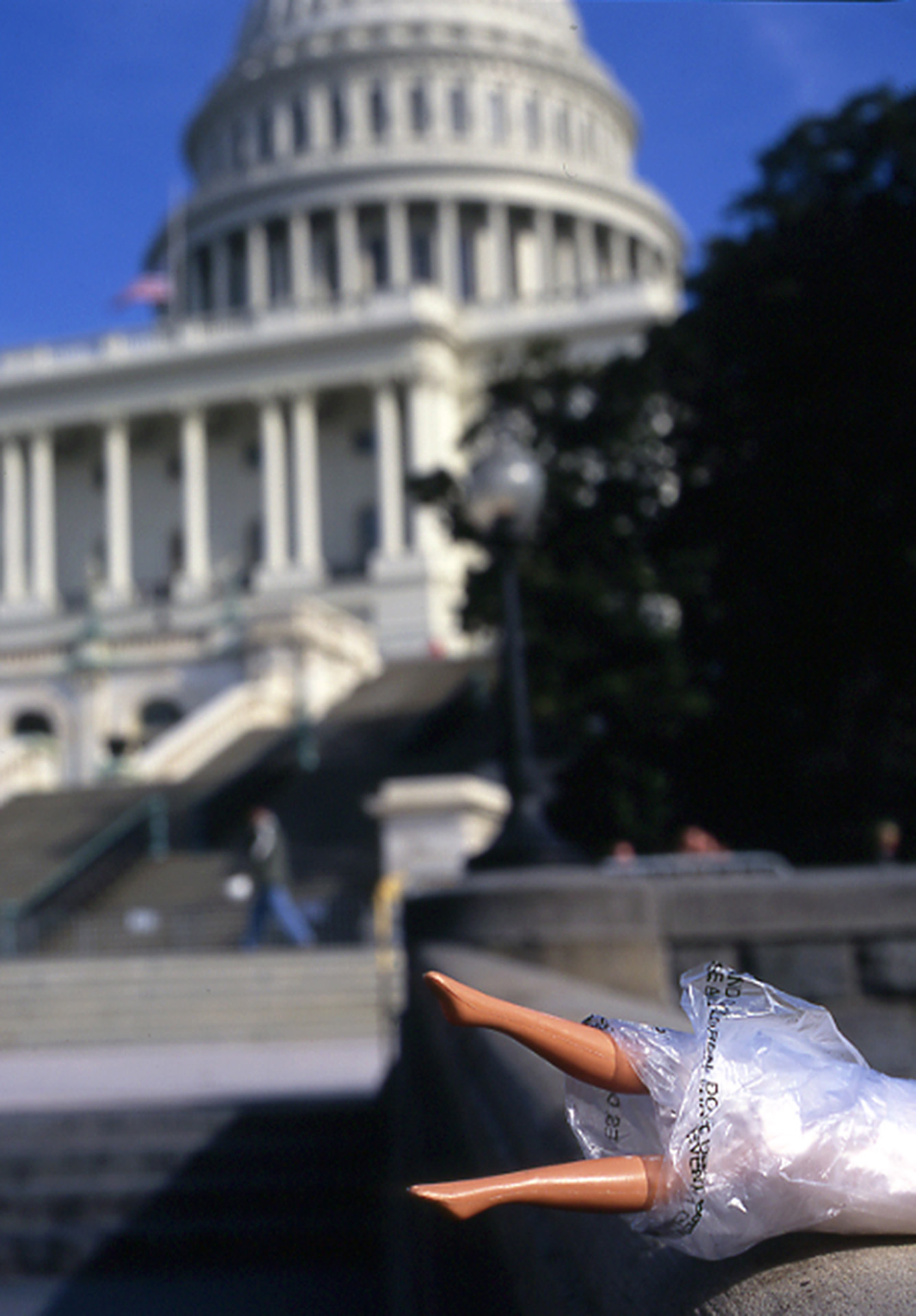
Susan Arthur is a photographer, sculptor and writer, with an MFA from Vermont College of Fine Arts. She hides out in the very blue wilds of Massachusetts. Her work can be viewed here. Writers Resist previously publish a photograph by Susan, “Left for Dead Barbie Visits the Capitol.”

Reading recommendation: The Year of Magical Thinking by Joan Didion.

To do list

By Daniell Cohen

    1. Get out of bed
    2. Brush teeth
    3. Get dressed
    4. Breathe
    5. Apply for citizenship
    6. Confront your male friend for claiming your sexuality is “a waste” because you fit his “ideal partner criteria”
    7. Confront a cisgender white woman in class about why “we can’t just accept that we have different opinions,”
    8. Reply with “what do you have at stake?”
    9. Nurse a sore throat
    10. Move past uncompromising panic attacks and cry bursts
    11. Hold your friends as they fall apart
    12. Hold yourself as you fall apart
    13. Tell your brother it will be okay even though you worry about his safety even more now than ever
    14. Meditate
    15. Create
    16. Gather … strength
    17. Silence a middle-aged white man with a bandana wrapped around his fat head and cigarette in his impulsive, pathetic, dirty fucking mouth as he whistles at you
    18. Re-evaluate your privilege
    19. Accept
    20. Repeat

Daniell Cohen is a Somerville, Massachusetts-based artist, born and raised in Israel. She earned a BFA in photography from SUNY Purchase College, and her work has been featured in The Journal News, and at Merge Arts, Artbar, +KG, and Tea Lounge. Daniell is pursuing her Master’s degree in Art Therapy at Lesley University in Cambridge, and she is a social activist, a feminist and queer artist, and an aspiring holistic art therapist who strives to inspire, connect and move others toward equality and radical acceptance.

Reading recommendation: Pole Dancing to Gospel Hymns by Andrea Gibson.

Turns Out

By Sam Sax

all the holocaust books we read
in grade school weren’t enough.
the class outraged, youth shouting
never again. in the texts i became

brave, resistance child, stalking
the night’s antique shadows, disproving
a devil’s arithmetic, lettering every star.
easy to be righteous in the face

of tyranny so dead, the terror’s just
an old rope of letters, a photograph
developed in a darkroom, the tattoo
on a family member’s leathered arm

but even he smiles as you dance
around like the goofy animal you are.
what then when the terror lives?
when the cabinet’s filled with poison bread?

when they come for my friends,
when they come to my bed, when
they come, they come. come stars
to guide our meat across the night’s

opera of skulls. come letters brave
enough to harvest joy from the coming
darkness. come art sharp as a knife
tearing the blood from the white

in our flag. you can say there is no road
map for the red mattress, for the police
—bag forced over a chanting head. but look
to any history & there’s the path

an outraged flood, a million bodies
in the street, a fence between blood & money,
a government shaking. for our lives & our love
we must do all we can before we’re forced

back below the floorboards.

…………………………………………………………..

Sam Sax is the Texas-based author of Madness (Penguin, 2017), winner of the 2016 National Poetry Series, Bury It (Wesleyan University Press, 2018), and four chap books: All The Rage (Sibling Rivalry Press, 2016) Straight (Winner of the Diode Editions Chapbook Prize, 2016) Sad Boy / Detective (Winner of The Black Lawrence Chapbook Prize, 2015), and A Guide to Undressing Your Monsters (Button Poetry, 2014). Sam has received fellowships from the National Endowment for the Arts, Lambda Literary, and The Michener Center for Writers, where he served as the Editor-in-chief of Bat City Review. He has poems published or forthcoming in Agni, American Poetry Review, Boston Review, Ploughshares, Guernica, Poetry Magazine, and other journals. Visit his website.

Reading recommendationMaus by Art Spiegelman

“Turns Out” was first published by The Awl.

Nightmare on Elm Street

By Cassandra Lane

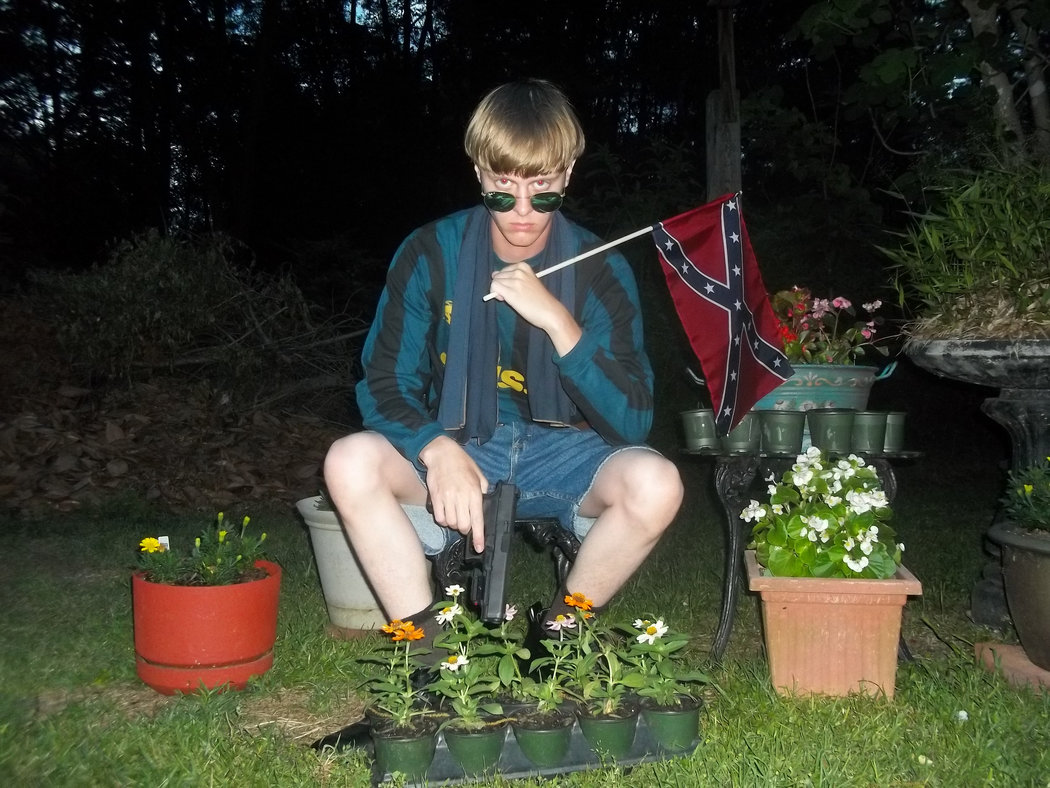
Dylann Storm Roof invades my dream space in the days after he murders nine African Americans at a Bible study in Charleston, South Carolina.

His spirit travels 2,480 miles to reach the interior of my imagination in Los Angeles. Like a bloodhound, he finds my Southern black body hiding out in the desert. As though terrorizing his victims and their families were not enough, as though destroying the sanctity of an historically black house of worship were not enough, he comes to me, the girl who grew up kneeling beside her elders in anointed prayer at St. Paul Baptist Church down the street.

Unshackled and smug, he comes to me.

He comes for me. For us.

The dream begins under the cover of night, full of silence and a pregnant, starless sky. My heart pumps into this blackness. The blackness responds, alive and aware.

The scene switches to a clear afternoon, where sunlight slants between two buildings that stand on a hill. I am walking down a slope to pick my son up from school when I catch a glimpse of a man lurking next to a string of parked cars. He is wearing a soiled white t-shirt and jeans. Something in my spirit tells me that this man is wrong. All wrong.

I rush my son home, which turns out to be the home I grew up in on Elm Street in Louisiana. I am back in the South, after all. In the 1980s, this house was the object of constant teasing.

“It’s Freddy Krueger’s house,” the same gaggle of kids would yell day after day when the school bus pulled up to 202 Elm Street. “Yeah, and there’s his girlfriend: Frederica!”

In my dream, I pause on the porch to finger the empty spot where the third address number should have been: 20_.

But the gunman is on my trail, so I yank open the front door that was always unlocked, get my son and myself inside and turn the locks. Roof shows up seconds later, trying to get in, rifle in hand.

As my son and I look for safe places to hide, I am both terrified and furious. I am tempted to ignore the possibility of death and unleash my rage on Roof’s face, tear at his skin, the mask over hate (what does it look like?).

Roof continues to point his rifle, its snout peering at the front door’s window. He could easily shoot out the glass and work his way in. Instead, his strategy is to drag out the terror with painstaking patience and steadiness—tinkering with the door handle, making threats, stopping completely, and then starting up again. I hold the product of terror in my hands; it is in my son’s small shoulders. His shoulders are bare and brown, full of naked fear.

I carry his tremors in my fingers, dialing first my husband and then the numbers that I have forgotten to constantly reiterate to my son: 9-1-1. In bursts of hysteria, I appeal to the operator: “He wants to kill us.”

“Ma’am,” the operator says calmly, “someone is on the way to help you.”

When the sheriff shows up, I look out the living room’s side window, facing west. The sheriff and Roof stand outside the patrol car, face to face, their arms at their sides, relaxed.

Roof is suddenly in a business suit—navy blue, immaculate. I see his rifle, hiding under the sheriff’s car. I hear the sheriff talking to him in a low, calm tone. I make my way outside to get inside this, their intimate conversation.

With a screech, my husband drives up, jumps out of his car and lunges for the terrorist, but I lunge for him to restrain him. I envision the handcuffs glaring against his brown wrists. Click. Guilty. Assault. Attempted murder.

I hold him down and he holds me down, and in this holding we begin, slowly, to regain our composure.

We are statues of self-restraint.

……………………………………

Formerly a newspaper journalist and high school teacher, Cassandra Lane has published essays, columns and articles in The Times-Picayune, The Source, TheScreamOnline, BET Magazine, The Atlanta Journal Constitution, Bellingham Review and Gambit, and in the anthologies Everything but the Burden, Ms. Aligned and Daddy, Can I Tell You Something. She is an alum of Voices of Our Nation Arts (VONA) and A Room of Her Own Writing Retreat (AROHO). She received an MFA in creative writing from Antioch University Los Angeles. A Louisiana native, she now lives with her family in Los Angeles.

Peace Dreams

By Pattie Palmer-Baker

Teacher:

Stop hissing orders.
Streamline your body into a fish shape,
float with your students in a sound-stilled ocean,
flash love notes with your sequined eyes.

Stockbroker:

See the half-dressed man crumpled
on the trash-littered sidewalk?
Brake your black Mercedes, carry him to your car,
rest him on the leather backseat beneath a cashmere blanket.

Biker:

Push away the tequila shot,
speed across town to the crumbling care center.
Listen all day, into the night
to you father’s war stories
until you both fall asleep, heads touching.

President:

Lie down on half-mown grass
with all the ISIS leaders of the world.
Take turns guessing the shapes of the clouds.
Push ivory feathers out of your pores

longer than the shine of the moon.

………………………………………….

Pattie Palmer-Baker is a Portland OR artist and poet. Over the years of exhibiting her artwork—a combination of paste paper collages with her poems in calligraphic form—she discovered that most people, despite what they may believe, do like poetry; in fact many liked the poems better than the visual art. She now concentrates on writing poetry and personal essays.

Reading recommendation: Shattering the Stereotypes: Muslim Women Speak Out, edited by Fawzia Afzal-Khan.

Radio Jockey


By Carl Dimitri


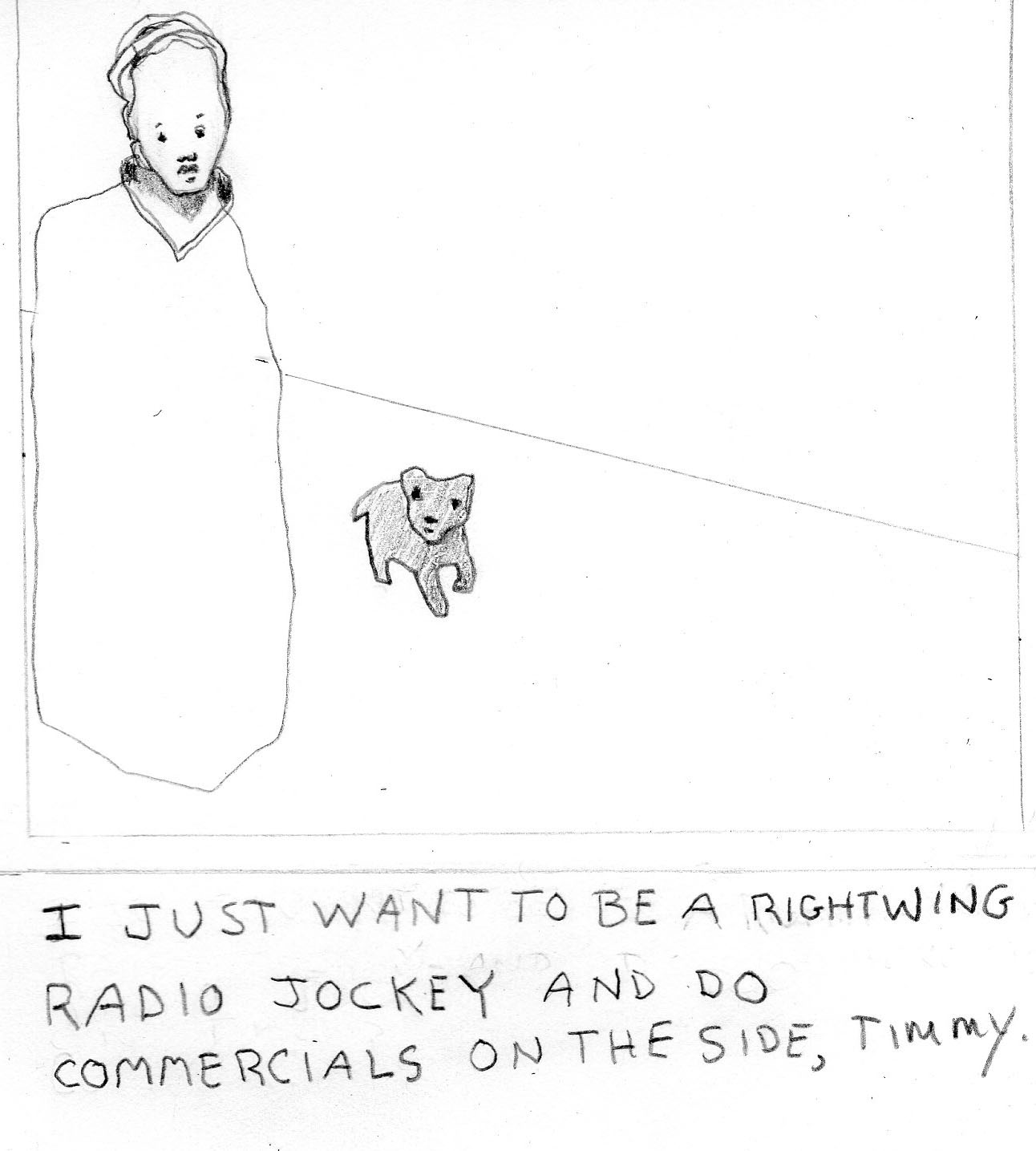
Carl Dimitri, a Providence, Rhode Island-based artist, is committed to drawing one cartoon a day until the Trump era is over. Carl has received fellowships in painting from the Vermont Studio Center and the Rhode Island State Council on the Arts. He was also elected in 2012 into The Drawing Center in New York City. “Radio Jockey” is from his series “Hello, Mussolini.”

Tornado

By Eve Lyons

This is me:
protected but trapped
while the industry twists around me.
This is a factory:
churning out medications and patients
on assembly lines
but leaving them scattered like
a devastated trailer park,
they must conform to a list of behavioral criteria
in the DSM-V and they must
have problems that can be solved in
twenty-four sessions or less.
This is me:
Sitting in my office, my degree,
my world of art and poetry and music
that do not fit
into this system.

Tell me how a fifteen-year-old Black girl
who has been bounced from family member
to family member, who has lost her hearing
without knowing how, who believes that
meeting with a therapist means she is stupid,
tell me how she fits into this system.
Tell me what kind of drugs could best
solve her problems.
Tell me how this system can help the
eighteen-year-old boy who just came out,
only to find himself raped by two men
who were supposed to be friends?

Isolation of affect: The ability to talk about trauma
without any emotional expression.

It is a survival skill in this system
that re-traumatizes us
every day we live in it.
There are days when I feel useless
against the tornado
which sends my paycheck every month.
Twisters are deceptive,
I learned that in Texas,
which has the most tornadoes,
and deadlier ones.
You could watch one
wipe out your neighbors.
You never know
if it will destroy you
till it already has.

………………………………………………………………….

Eve Lyons is a poet and fiction writer living in the Boston area. Her work has appeared in Lilith, New Vilna Review, Word Riot, Literary Mama, Hip Mama, Mutha magazine, and several anthologies.

Reading recommendation: Ten Days in a Mad-House by Nellie Bly.

Flimflam and Uncle Sam

By Neil Ellman

Don’t try me, no condescension. please,
no more, it’s over, kaput.
there is no certainty in this life:
neither truth nor validity:
the blue jay isn’t blue
except for a certain trick of light
nor is the earth as seen from space
a shade of verdant green
but bluer than a turquoise ring
and Pluto just a piece of rock.

I’ve had it with so-called miracles:
a granite statue bleeding from its eyes
the face of the Savior in a piece of toast
or the billionth birth of a child
as a miracle, of miracles, its parents say,
while it happens every day.

I huddled in my bombproof shelter
when the Russians were coming
prepared for my computer to crash on Y2K
ate only figs to fight hoof-and-mouth disease
and waited for the Messiah’s arrival
in April, then May, then June
and every month and year since then.

I’ve learned that full employment means
thirty million people out of work
that the One Percent runs everything
except the movements of my bowels
that a tweet is bigger than a thought
and a thought is nowhere to be found
in any politician’s head.

I’ve had it, I quit, I’ll go to my cave
or even my grave
one of many who have been fooled
bamboozled, flimflammed
and deceived by the powers that be
but never, never again.

……………………………

Neil Ellman is a poet from New Jersey. He has published numerous poems in print and online journals, anthologies and chapbooks throughout the world. He has been nominated twice for the Pushcart Prize and twice for Best of the Net.

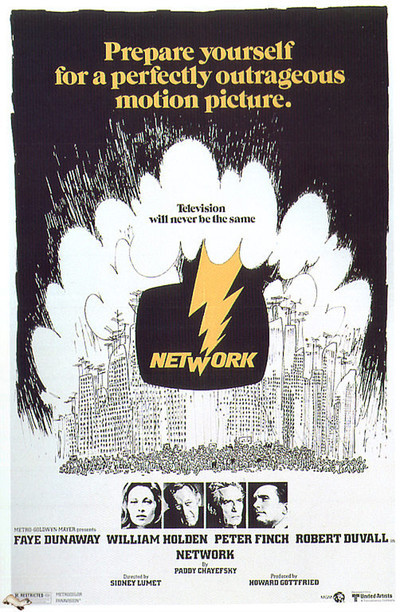
Viewing recommendation: Network, starring Faye Dunaway, William Holden, Peter Finch and Robert Duvall; screenplay by Paddy Chayefsky, who wrote, “Television is democracy at its ugliest”; and directed by Sidney Lumet, 1976.

Left For Dead Barbie Visits the Capitol

By Susan Arthur

Susan Arthur is a photographer, sculptor and writer, with an MFA from Vermont College of Fine Arts. She hides out in the very blue wilds of Massachusetts. Her work is shown nationally, and she’s a member of the artist co-op Brickbottom Artists Association, in Somerville, Massachusetts.

On art as a form of resistance

I think anything we do—art, science, business, everything—can be done in the spirit of resistance. For me, the primary purpose of art is that it can act as a mirror. If this election has done nothing else, we can see how difficult it is to unearth the truth. I had never thought of myself as an activist, but, since this election, as someone suffering from pathological idealism. By pathological I mean an unwillingness to adapt to what I see as an ugly turn the country has taken.

My work is never specifically political, but my personal statements intersect at times with politics. I have joined protests when the internal pressure is too great not to—in 1969 in the March on Washington, at the WTO protests in Seattle, against the Iraq war during the Bush Administration—all of these have been at critical moments. I don’t know if protesting helps directly. The Dakota Access Pipeline suggests it does. I do know it is essential to keep our voice heard.

There have been celebrations in the midst of all this, too. President Obama’s first inauguration, that bone-numbing, cold day out on the Mall in DC, was one of the collective happiest days ever.

On the Left for Dead Barbie series

Left For Dead Barbie was what I’d felt too often, what most of us feel at some moment in our lives. Lost. Abandoned. Deserted.

I changed her to dry-cleaner’s plastic, wrapping it around and around her body, a potentially lethal, diaphanous covering. I tried placing her in different positions: standing, running, prone. Left For Dead Barbie’s evolution went from horizontal and passive to vertical and active. She transformed gradually into the Terminator.  I took her out of the confines of my studio and into the world with me. I photographed her in front of the Capitol Building, the White House (where an armed guard made a point of reminding me to take her with me when I was done), St. Peter’s Basilica in Rome. At St. Peter’s she waited to get in out of the storm like the rest of us, in a rain-soaked line that spun once around the block, timed entries like Disneyland. She’d become too thoroughly my surrogate. She was wet, she was annoyed, she was pickpocketed. OK, she wasn’t; I was, but Left For Dead Barbie acts as a surrogate for the viewer.

See more of Arthur’s work here.

Flood, Fire, Mountain

By Liz Kellebrew

Flood

That morning I climbed out of bed and watched my neighbors. They rowed away in a boat launched from their porch. When I went downstairs, water bubbled under the carpet like boils. My Christmas tree lay on its side. No one bothered to knock on my door.

Fire

“Don’t shoot,” he said. They shot anyway. After he died, the fires burned all over Ferguson. And they spread, the country a furnace of protest. No one bothered to listen.

Mountain

The next winter, I drove through snow banks six feet high under green-blue alpine spruce. A miniature avalanche rolled down before me and I stopped. Because, red fox slender paws golden eyes! Crossing unafraid.

Flood

I sacrificed my precious books to save my one and only couch. Goodbye Tolkien, goodbye Gibran. The waters rose, gaining depth and current. Outside, someone had tied a goat to the bumper of a Land Rover. It wouldn’t stop bleating.

Fire

The weekend before Christmas, protestors shut down the mall. Seattle Times, sad children and frowning grandmothers: “Isn’t there a better way to get their message across?”

No, no there isn’t. This country loves money more than freedom. It won’t listen to anything else.

It won’t stop the bleeding.

Mountain

In the spring I hiked alone, Sunrise Trail. Wildflowers poked out of mist: Indian paintbrush, foxglove, mountain gentian. When I turned back, surprise! A female elk, my shadow companion.

She walked away, stately, a queen in leather.

Flood

At the Red Cross I stood alone, waiting in line. Families in tents, in sleeping bags, piled in every corner indoors and out. Instant Homeless: Just Add Water. They gave me a debit card to buy food and boxes.

FEMA was clueless. They came four weeks late and wanted to give me a TV to replace the one I never owned.

Fire

The Reverend Jesse Jackson came by my work. I only heard about it afterwards.

The socialist newsletter I subscribe to invited me to a protest.

More children were shot, more unarmed men killed by police.

A week later, there was a bomb threat at work. I only heard about it four hours later, after the SWAT team announced there was no bomb.

Mountain

I put my fingers in the stream, but I did not drink. Clear ice melt washing emerald-gold moss and pebbles in a hundred shades of earth.

The salmon don’t spawn here. But sun-yellow butterflies light on the banks with feathery feet, long tongues curling.

Flood

When the water went back to the river where it belonged, blonde shocks of hay hung from power lines like the dried up scalps of Norse giants. Guess we showed them.

Fire

“All lives matter,” they yelled. And by “they” I mean the people whose children weren’t murdered in cold blood by a standing army. Occupation Domestication. No Voice Without Retribution. No More Constitution.

Silent, it smolders.

Mountain

Granite shoulders like a Picasso portrait, Blue Period. Cloaked with snow, capped with a swoff of cloud, trees at her ankles a golden froth of maple sugar, and that silence— broken! Because groaning glaciers, calving into babbling streams, tumbling into gurgling rivers and crashing into roaring oceans and this whole shouting planet of grasshoppers chirping and elk lowing and coyotes yip-yip-yowling and the fishermen coaxing their mermaids into rainbow nets of desire, because the starlings singing to children in the city and the oaks in Fremont cracking open those sidewalks with their wide black roots bursting out of every confining concrete wall and spilling over to fill the empty spaces left behind—!

………………………………………..

Liz Kellebrew lives in Seattle and writes fiction, poetry, literary essays, and creative nonfiction. Her work has appeared in The Coachella Review, Elohi Gadugi, The Conium Review, Mount Island, Section 8, The Pitkin Review, and Vine Leaves Literary Journal. She holds an MFA in Creative Writing from Goddard College.

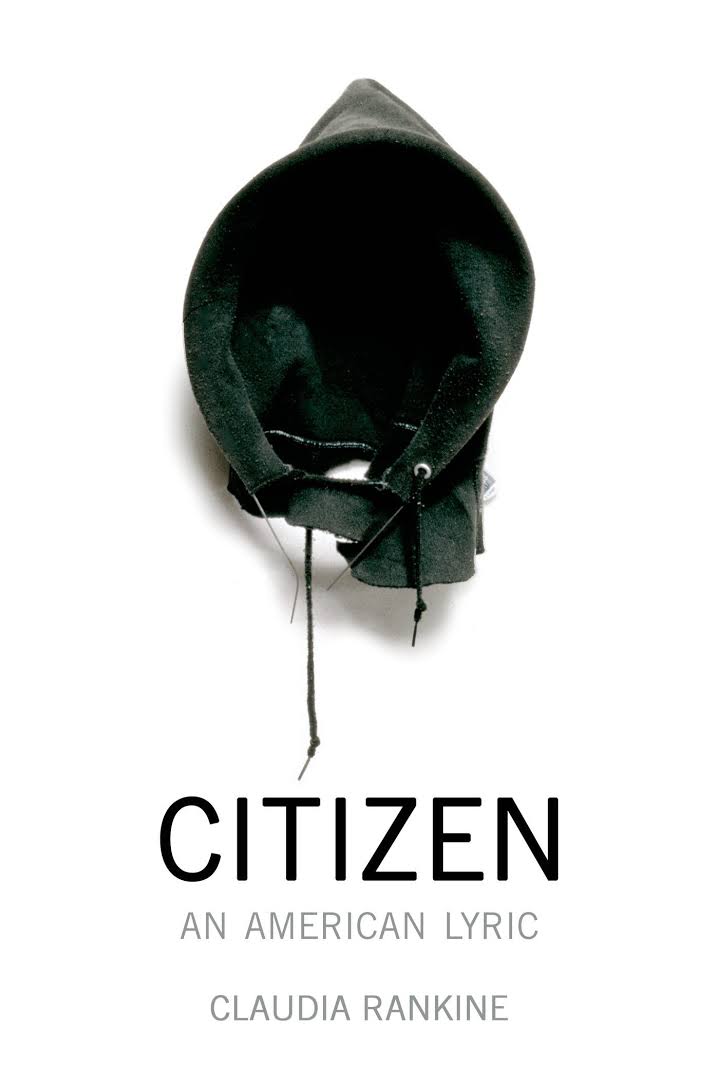
Reading recommendation: Citizen: An American Lyric by Claudia Rankine.

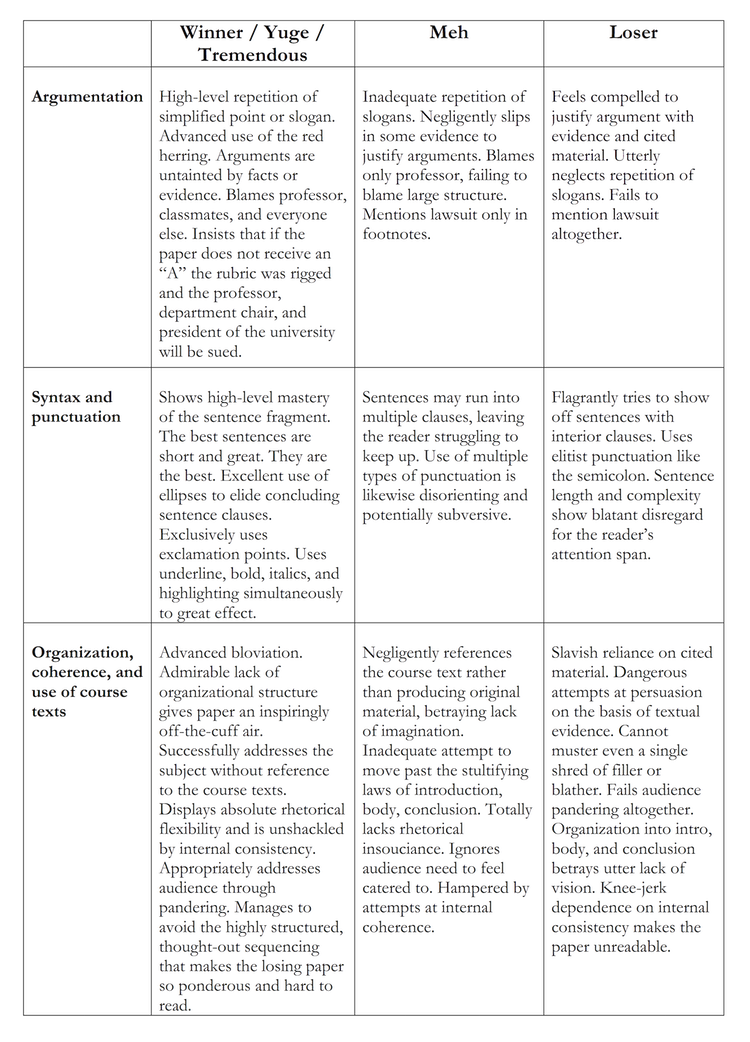
Post-Election College Paper Grading Rubric

Dear Students,

Because I can no longer claim with any credibility that reading, writing, and critical thinking are essential skills for 21st century success, I have revised the grading rubric for your papers accordingly. Effective January 1, 2017.

Sorry for any inconvenience,
Dr. Daveena Tauber

Daveena Tauber is a writing consultant and professor. Find her consulting work at scholar-studio.com.

Originally published by McSweeny’s.

Floating

By Penny Perry


Mother couldn’t have known what to do.
She was only twenty-five,
drove her big sister, Leona, six weeks pregnant,
to the doctor’s in LA.

Leona squinted at California bungalows,
backyards with orange trees.
She thought about her husband home worrying,
her baby daughter waiting for her.

She told my mother about her screenplay,
a murder in the Braille room of the public library.
Then, she sat silent, her long fingers tangled like kelp.

The doctor glanced at his medical license
framed on the wall behind him,

said he was afraid to use ether.
Leona jutted her famous Heyert jaw:
“My friend Ruth told me to insist.
With ether I’ll float above the pain.”

It was hot that June morning, 1941.
No air conditioning. My mother
in the waiting room thumbed through magazines.
Big-eyed Loretta Young on the cover of Life.

It happened fast. Ether, a busy housewife,
pulled down the shades.

The doctor waved my mother in.
White face, head back, Leona was no longer breathing.
The ribbon in her dark hair floated in the breeze of a fan.

………………………………………………………

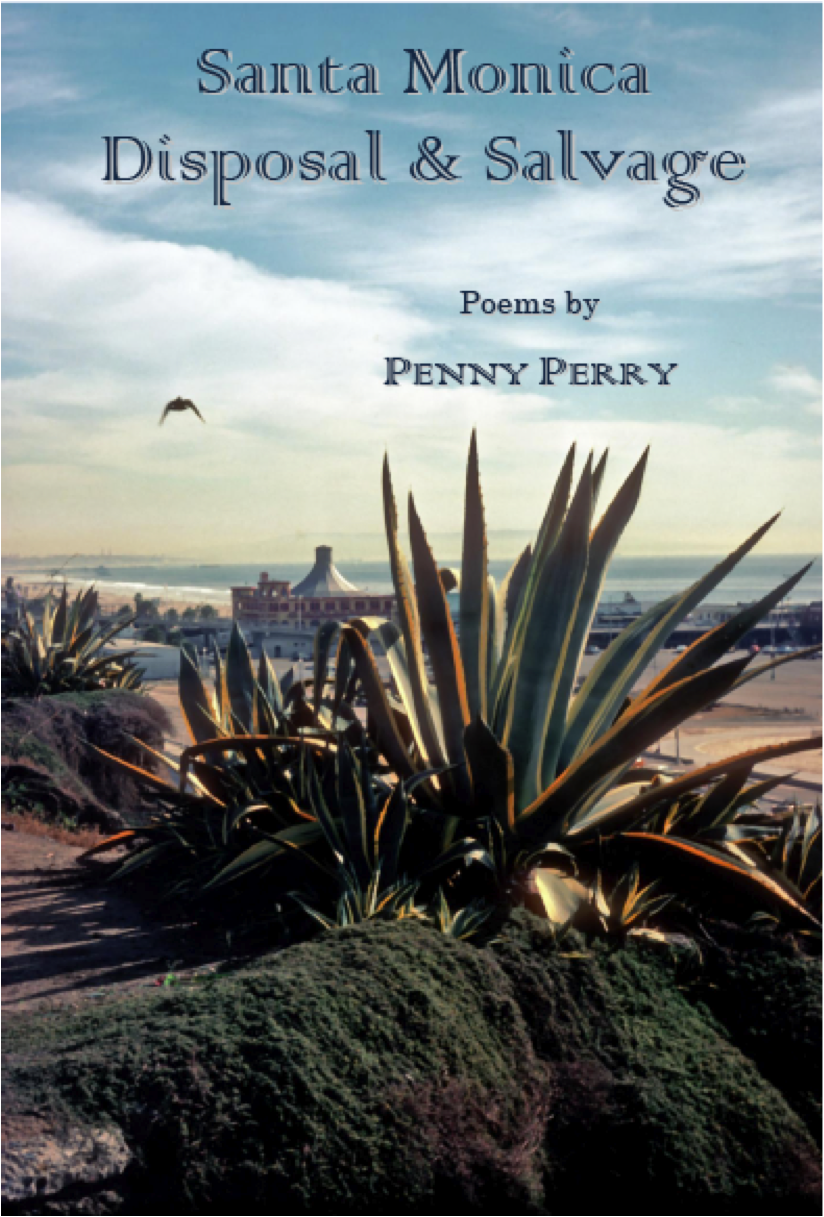
Penny Perry is a five time Pushcart Prize nominee. Her first poetry collection, Santa Monica Disposal & Salvage, was published in 2012 by Garden Oak Press. Her new collection, Father Seahorse, will be published by Garden Oak Press in 2017.

Reading recommendationSanta Monica Disposal & Salvage by Penny Perry.

A Poem by Rae Rose

The Other Day I Peed on a Stick

and when I peed on the stick I knew my blood was like poison.
When I turned 18, I had just started my medication, I peed on a stick, called a number
from the phone book to see if I could afford an abortion without anyone knowing.
It was a pro-life group with a deceptive name, the woman begging me to keep the baby.

So I told my mother. The doctor she took me to stuck his head in the room, said “Congratulations, you’re pregnant.” Shut the door. The woman who filled out my outtake form rattled on about her midwife. Her face changed. “You’re happy about this, right?”
She slowly drew hearts around her midwife’s name.

I wished those hearts could work some sort of magic —

make my blood less like the poison I was just beginning to know.
My mother’s aunt died of a back alley abortion. My mother wrote a poem about it called, “Floating,” because as she bleeds to death she is floating above the pain. Or maybe it was the ether that killed her. All sorts of things could kill you from an abortion back then.

At 22 my mother’s future mother-in-law said, “I can get you an abortion, but you have to say you’re crazy.” But my mother wanted him. In fact, my mother has wanted every pregnancy, especially the miscarriage. She has his mobile hanging above her bed.
A group of tiny ceramic bears in bowties that clink sweetly, quietly.

The other day I peed on a stick and when I peed on the stick
I knew my blood was like poison, but without my medication, I’ll go crazy.
I’ll never be the girl in the movie who throws up, pees on a stick, then says,
honey? I’m pregnant! And runs to her lover. Buys bitty shoes. Buys bitty hats.

I’ll never read aloud to my belly, then deny doing such a silly thing.
I won’t look into a tiny face and see a glimmer of me, of my mother, of my husband.
I won’t be looking at someone I will love forever. Someone to give the world to.
Someone for whom I’d make sure the world was something to fall in love with.

Trump is the President-elect. I peed on a stick and when I peed on the stick I knew
my blood was like poison and I’d spare a child all sorts of deformity, sickness.
I waited the two minutes you have to wait, wondering, what if he changes everything?
What if someday I can’t get an abortion, my blood like poison?

Will we use the phrase “back alley,” keep notes for other women of doctors who perform
the operation? Could I become a story my nephews tell? Another aunt with a tragic end? Will I float above the pain? Right out of the world I’d try to make magical for my child
if my blood was nothing, wasn’t anything like poison.

……………………………………………..

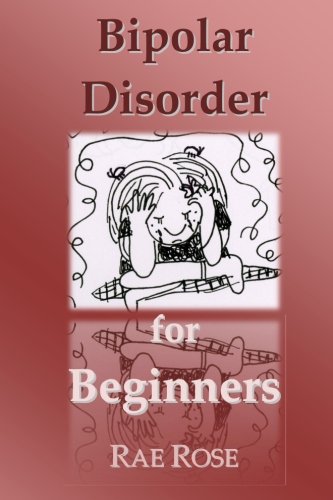
Rae Rose is a California poet and essayist whose work has been published in Cicada Magazine, Lilith Magazine and The Paterson Review, among other literary journals. Her book, Bipolar Disorder for Beginners is an account, in poetry and prose, of her struggles with that disease. Marge Piercy characterizes it as “powerful and emotionally charged.” Rae earned her MFA from Goddard College and is a poetry editor for Writers Resist.

Reading recommendation: Bipolar Disorder for Beginners by Rae Rose.

Almost Visible

By Laura Gail Grohe


When you see me, if you see me,
I am your worst fears found form.

“Pardon me sir,
but could I have a dollar for food?”

You rush by me studying your cuticles
so you don’t have to see me.

“Excuse me miss,
do you have any spare change?”

When I used to rush from subway to office
I never noticed the dust.
Squatting on sidewalk’s edge
fishing for your eye and quarters
the city’s dandruff covers me.

I didn’t start here, few of us do.
It was when I still had a private place
to sleep, to shower, to read,
that I was overcome by almosts.

Almost enough money to pay bills.
Almost poor enough for help.
Almost good enough for promotion.
Almost sick enough for hospital care.
Almost together enough to find a way out.
Almost.

Between the crushing weight of invisibility
and the slippery slide of not quite enough
I am just another dusty almost.

…………………………………………….

Laura Gail Grohe’s work has appeared in journals such as Paterson Review, and has been used in public rituals by the Green Mountain Druid Order and in church services. Her exhibit, “The Linens Project,” is a collection of antique linens with Laura Gail’s poetry hand embroidered on them. To learn more about “The Linens Project” go to linensproject.wordpress.com.

Writers Resist Launches

[fusion_builder_container hundred_percent=”no” equal_height_columns=”no” hide_on_mobile=”small-visibility,medium-visibility,large-visibility” background_position=”center center” background_repeat=”no-repeat” fade=”no” background_parallax=”none” parallax_speed=”0.3″ video_aspect_ratio=”16:9″ video_loop=”yes” video_mute=”yes” overlay_opacity=”0.5″ border_style=”solid”][fusion_builder_row][fusion_builder_column type=”1_1″ layout=”1_1″ background_position=”left top” background_color=”” border_size=”” border_color=”” border_style=”solid” border_position=”all” spacing=”yes” background_image=”” background_repeat=”no-repeat” padding=”” margin_top=”0px” margin_bottom=”0px” class=”” id=”” animation_type=”” animation_speed=”0.3″ animation_direction=”left” hide_on_mobile=”small-visibility,medium-visibility,large-visibility” center_content=”no” last=”no” min_height=”” hover_type=”none” link=””][fusion_text]

Writers Resist, a literary collective born of the 2016 U.S. Presidential Election, publishes creative expressions of resistance by diverse writers and artists. We are dedicated to challenging all things that diminish our nation’s quest for equality, freedom, justice and a healthy planet for all—while having a bit of fun, which is why we publish weekly, not 24/7.

Given our fondness for words, we are including reading suggestions in the form of book covers used as illustration, books that relate to the writings we publish. If you see a book you haven’t read, considering buying it—preferably through an independent bookstore. You can look for your nearest one here. If you’ve written a book you’d like us to use, please contact K-B at writersresist@gmail.com.

We publish weekly (more often when necessary) with the intent that the works will be shared far and wide—in keeping with the Creative Commons guidelines for proper attribution of the author and Writers Resist, non-commercial use, and no derivatives. So share with abandon—just please do acknowledge the author and Writers Resist.

If you write or create visual art, take a gander at our Submissions page.

If you’d like to support our writers and artists with a $10 contribution, mosey over to our Give a sawbuck page.

The Action page is great for armchair activism—not everyone is made for marching on D.C.

And, our featured videos (at the bottom of the Home page) and news and and timely information (on our Facebook page) offer plenty of fodder for creative resistance.

Poke around and let us know what you think. If you like what you see, subscribe to Writers Resist—it’s free!

…………………………………………………..

Reading Recommendation: Acts of Resistance: Against the Tyranny of the Market by Pierre Bourdieu.

[/fusion_text][/fusion_builder_column][/fusion_builder_row][/fusion_builder_container]

Beware a Kinder, Gentler American Fascism

By David L. Ulin

Originally published by LitHub, November 16, 2016; used with permission of the author.

Let me begin with an admission: I don’t know how to write about this. I’ve been trying since Wednesday morning, day after the election, when I awakened with what felt like the worst hangover in the universe—and without the benefit of having gotten drunk. I’ve tried writing about Harvey Milk and the effect of the White Night Riots on the movement for gay rights. I’ve tried writing about vote tallies and the Electoral College. Tuesday night, I spent half an hour on the phone talking my son off the ledge—or no, not off the ledge, since it was the same one I was standing on. Later, I walked my daughter home from our polling place, where she had spent the day working and had voted in her first election; as we neared our house, she turned into my shoulder and burst into tears. I don’t want to make this personal, but of course I do. All politics is personal, or grows out of personal concerns. I am the father of a gay man and a straight woman, and both are at risk today. If you don’t think this is personal, then you better get out of my way.

I am not an activist, I am a writer. But we are all—we must be—activists now. As to what this means, I don’t yet know. Yes, to protests; yes, to registering voters and contesting elections; yes, to believing—to continuing to believe and fight for—this fractured democracy. But even more, I want to say, a yes to kindness, a yes to the human values for which we stand. This week, I began to dismiss my classes with a wish or admonition: Be good to each other and be good to yourselves. They’re scared. So am I. It seems the least that we can do.

What astonishes me is that the world continues. What astonishes me is that life goes on. What astonishes me is that I can step outside at break of evening, dusk deepening like a quilt of gauze across the city and everything looking as it always has. Down the street, a neighbor walks her dog while chatting on her cell phone; the smell of wood smoke lingers in the air. Just like last week, just like normal, although what does normal mean anymore? We have an anti-Semite as advisor to the new president, who is promising a first wave of deportations immediately after Inauguration Day. And yet, what frightens me is that in a year, or four months, this election, this administration, will become normalized, as will whatever happens next. We will get on with it, we always get on with it, but I don’t want to get on with anything. The dislocation is maddening: the inability to imagine a return.

I’m writing from a place of privilege; I understand that. I am a straight white male living in a (relatively) progressive state. Still, let’s not be fooled about what this means. Hate speech in a high school classroom in Sacramento, a gay man struck in the face in Santa Monica. Objects in the mirror are always closer than they appear. I have relatives who chose not to vote for president in Pennsylvania. In Pennsylvania, where the final margin was 68,000 votes. If this is a Civil War, it is one in which the battle lines are not the Mason-Dixon line but the driveways that separate us from our neighbors, our place in line at the supermarket, the traffic light at the nearest intersection, the kid at the next desk in our schools.

What do we do about it? We stand up, vocally and without equivocation, for the most targeted and the most vulnerable, we give our money and our comfort and our time. We are still a nation of laws, with a Constitution, and an opposition leadership. This, however, cuts both ways. If fascism or autocracy takes root here—and the seeds have already been planted, let’s not delude ourselves—it will be a kinder, gentler fascism, couched in the rhetoric of the American experiment. Normalized. That’s the America Philip Roth describes in The Plot Against America, in which Charles Lindbergh wins the 1940 presidential election and brings fascism to the United States. Roth’s country is one in which the World Series is still played in October, and kids sit in the kitchen with their mothers, talking about what they did at school. “Do not be taken in by small signs of normality,” Masha Gessen wrote last week on the blog of the New York Review of Books. “…[H]istory has seen many catastrophes, and most of them unfolded over time. That time included periods of relative calm.” All the same, Gessen reminds us we must “[r]emember the future. Nothing lasts forever.” To forget the future is to give up hope, and hope is our most prevailing necessity.

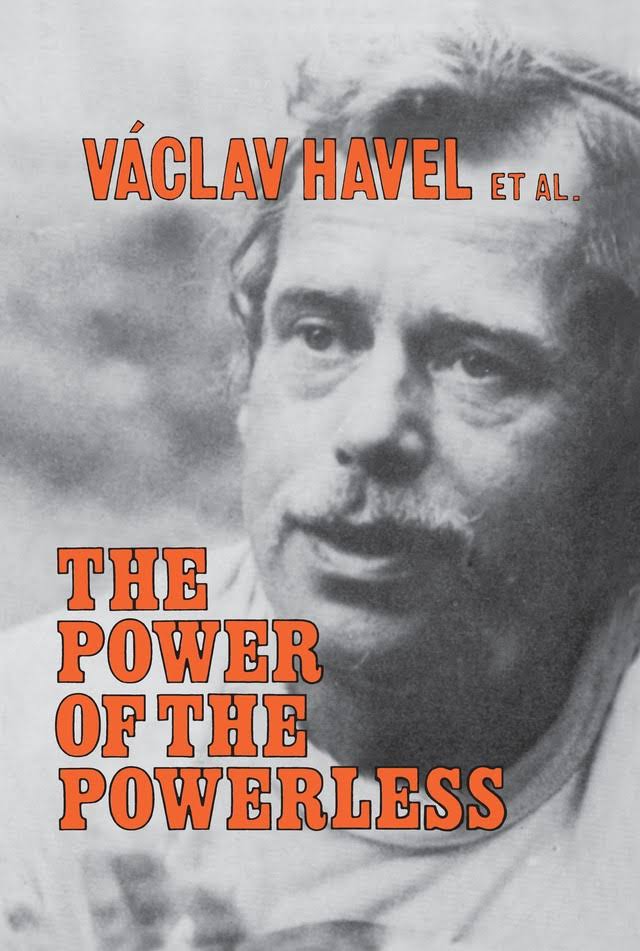
And hope, I want to say, begins with each of us. And hope, I want to say, begins at home. I keep thinking of Vaclav Havel, that dissident turned president, who in his 1978 essay “The Power of the Powerless” stakes out the position of a “second culture,” in which freedom begins as a function of our willingness to behave as if we are free. What makes this essential is its insistence that we are accountable, that the reanimation of “values like trust, openness, responsibility, solidarity, love” falls—personally, individually—to us. Keep the record straight, in other words, bear witness and participate, but also hold onto yourselves. “Individuals,” Havel writes, “can be alienated from themselves only because there is something in them to alienate.” I make a choice, then, not to be alienated; I make a choice to engage. I make a choice to preserve the values of tolerance, of love, of looking out for the other. I make a choice to act as a human being. “If the suppression of the aims of life,” Havel continues, “is a complex process, and if it is based on the multifaceted manipulation of all expressions of life, then, by the same token, every free expression of life indirectly threatens the post-totalitarian system politically, including forms of expression to which, in other social systems, no one would attribute any potential political significance, not to mention explosive power.” This is the resistance I am seeking, this is the revolution we require.

At heart here is a different sort of normalization—the normalization of who we are. We live in a country where we’ve been told (are being told every day) that we don’t belong. What do you think hate speech is? An attack on our right to consider ourselves American. I am an American, however, and so are you … and you and you and you and you. I do not walk away from that. We—and by that, I mean we in the opposition—are a nation in our own right and we have to stick together, to find the necessary common ground. My mother, who turns 80 in a couple of months, told me the day after the election that she had been talking to a younger friend, a woman with a teenage daughter; “I won’t live to see it,” my mother said, “but you and your daughter will.” She was referring to a woman president, but also, in a sense, to the restoration of what let’s call American values, for want of a better phrase. The conversation made me sad, and yet we can’t give in to sadness; that is not our luxury. At the same time, it is also necessary that we express it, that we can tell each other what we are feeling, how we are.

So how are you? I am worried, I am angry, and (yes) I am sad. I am also trying to live my life. This is the normalization I will not yield. Call it second culture. Call it whatever you like. I am reeling, we are all reeling, but I am teaching, I am writing, I am trying to take care of those I love. Saturday evening, I went out for dinner with my family. We sat across from one another and tried to be in each other’s company, which remains, as it has ever been, its own small sort of grace. The following morning, my wife and daughter began making plans to go to the Women’s March on Washington. This is where we are now. This is who we are. Resist. Remember. Stick together. Be good to each other and be good to yourselves.

………………………………………………….

David L. Ulin is a contributing editor to Literary Hub. A 2015 Guggenheim Fellow, he is the author, most recently, of Sidewalking: Coming to Terms with Los Angeles, a finalist for the PEN/Diamonstein-Spielvogel Award for the Art of the Essay.

Reading recommendation: The Power of the Powerless by Václav Havel.

Male Bias

By Katherine D. Perry


Waiting five years to adopt a daughter,
I had time to carefully consider the impact
of male bias on foreign shores,
where, when you can only have one, girls
are left on the steps of schools and libraries,
and if they survive, they might be sent away,
to western countries, where women
can have as many as eight babies at once.

I look into her eyes and ache for a mother
who felt forced to let her go,
who had to break the mother-daughter bond
because of money and laws and culture and the need for a male child.

Now that I’m pregnant with a son,
I see my naiveté.
When I tell my friends that he is a boy,
I watch as eyes light and listen
to the long list of reasons why sons
are better than daughters: easy and calm
among the most common.
But then they add: simple pregnancies,
less dramatics, even a unique mother-son bond
that will somehow overtake my life.

I think of my feminism training,
of the penis-baby who, according to psychoanalytic theory,
will make me whole.
I look at the pay stubs stacked next to each other: mine and my partner’s
and consider the defeating weight of that common inequity.

Here in America, we claim equality.
Here in America, I walk without hoods or chains;
I drive my car; I vote in every election; I work.
Here in America, my son is expected to be
my easy child, the love of my life,
the missing key to my life’s mystery.
He will make more money than she will;
he will get promotions more quickly.

But I as I hold my Chinese daughter,
and share with her the pain of our two cultures
that leave our girls behind,
I am sure that we are not meant to be seconds.

……………………………………………………

Katherine D. Perry is an Associate Professor of English at Perimeter College of Georgia State University. Some of her poems have been published or are forthcoming in The Dead Mule of Southern Literature and 13th Moon. She works in Georgia prisons to bring poetry to incarcerated students and is currently building a prison initiative with Georgia State University to bring college classes into Georgia state prisons. She lives in Decatur, Georgia with her spouse and two children.

Reading recommendation: The Good Earth by Pearl S. Buck.

Was it foolish to think so?

By Sara Marchant

My husband’s birthday is November eighth. He takes the day off. We drive to Idyllwild for lunch. It is a windy day so we have the patio to ourselves until an elderly white lady with an elderly dog joins us. She greets the waiter by name and he greets the cranky old dog by name. The dog only growls.

“Did you vote yet?” the elderly lady asks.

“Yes,” the waiter looks toward our table before answering.

“Let’s whisper who we voted for,” the lady suggests. They both look our way this time. They put their heads together and whisper in each other’s ears.

They squeal in tandem as they pull away and slap hands. I am smiling when they glance our way again. The waiter walks to our table and peers into my coffee cup.

“I told you it was too strong,” he says. “I’ll bring you fresh and drink that cup myself.”

“I’ll take the fresh,” I laugh, ‘but you’d better not drink after me. I have a head cold.”

“Okay, okay,” he takes the cup and walks away laughing.

The bell on the restaurant door rings out.

“Who do you think they voted for?” my husband asks.

“Hillary, of course.” I am astounded he even needs to ask. “She’s a college-educated woman who lives in Idyllwild, and he’s a gay Mexican man. They’re with her.”

“How do you know he’s gay?” my husband argues. “You can’t know that.”

“I know,” I say. He stares; he won’t speak until I explain. “When he joked about drinking my coffee, did you feel uncomfortable? Territorial? Jealous?”

“No,” my husband says. “It’s like you were talking to your brother … oh.”

“Yep.”

The waiter brings the fresh coffee, and I drink it. We pay and prepare to leave. The elderly lady waves. I point to her “I voted” sticker and give her a thumbs up. Her dog growls in farewell.

We’ve declared the day social media free. We don’t go online and we watch the 1960s television series Stoney Burke instead of election coverage. We have that last day free, and when I think of it later, that last free day, I remember the elderly lady and our waiter’s gleeful high five.

*     *     *

Wednesday my mother calls me, early. She is crying. She needs me to go online and see if her neighbors are lying. They aren’t lying. Unless the whole world is lying.

“Are you sure? Are you sure?” my mother keeps asking. She can’t accept it.

“I don’t understand,” she says. “How could this happen? Are people really this stupid? I don’t … I can’t …” She ends the call because she is crying again.

When I was a little girl, my mother told me of a nightmare she first had when she was four years old. In the nightmare there is an awful man, an angry red-headed man wearing a trench coat and clenching knives in both hands. Surrounding my mother are the bodies of women, stabbed, hacked and bleeding. The awful red-head, Mr. Agony, is on a bridge above my mother’s head; he holds a woman by the arm. He throws the woman off the bridge and when she hits the ground her head comes off. My mother runs over and grabs the head, holding it with the neck uppermost so the blood doesn’t run out. She thinks that if the blood is preserved the head can be sewn back on. She is four years old. In trying to save the woman’s head, my mother realizes, she has lost track of Mr. Agony. He is no longer up on the bridge, she sees. He will be coming for her next. My mother had this dream for many years.

She thinks maybe her parents shouldn’t have allowed her to see the newsreels of the camps being liberated.

Wednesday I don’t go to work. My English as a Second Language students, mostly Chinese, have asked to cancel class. I remember going to the post office. I remember that four of five women I saw there couldn’t meet each other’s eyes. I remember crying with my mother. I remember crying with my friend Senta. I remember screaming at my husband when he asked why I was crying. I don’t remember much else.

*     *     *

Friday is my birthday, but I have to work. We celebrate on Saturday by going to brunch. The plan is to catch a movie after, but the thought of sitting in the dark with a bunch of strangers, strangers who might possibly have voted for bigotry, misogyny, racism, and environmental destruction, makes my skin crawl. Instead I decide to go food shopping. I want full cupboards and I want to be in the light.

We go to my husband’s favorite Chinese grocery store in Temecula. He once bought a cake mix called “Puto” there; this delights him. And the cake was quite tasty. In the rice aisle we spend 20 minutes talking with an older woman from Okinawa. She tells us about the cleanliness of Japanese rice compared to Californian—“California rice is just filthy”—why brown is better than white, and how CostCo is the best value for bread because the price of bread is just ridiculous.

“You don’t look like a bread eater,” she tells my husband.

“I’m not,” he says, pleased. “I’m Native. American Indian,” he clarifies.

“Your people walked across the Bering Straight,” she says. “I went to citizenship school.”

Later on, my husband says to me, “That lady sure needed to talk about rice.”

“It wasn’t about the rice,” I say. “It was never about the rice.”

*     *     *

That night, eating dinner, my husband asks about impeachment. My mother, who is eating with us, looks up, hopeful.

“Impeach the puppet so the master is in charge?” I ask. “That guy advocates conversion therapy. Using electric shock.”

My mother vomits. She literally vomits in revulsion, anger and fear.

When my mother was ten, her older sister was kidnapped, raped, and tortured before being dumped on the side of the road. My aunt spent the next two years in a mental hospital. In the 1950s no one talked about rape. We don’t even know if the doctors in the hospital were told what had happened. The only therapy my aunt received was shock therapy.

“I’ll never let anyone take you away,” my husband tells my mother. “Anyone coming for you or my wife will have to go through me.”

My mother shakes her head. My husband still doesn’t get it.

“You’re too young to remember,” my mother says once she’s cleaned up and comfortable, sitting on the sofa with a cup of hot tea. “Once the hate is institutionalized, everyone loses.”

When we are alone my husband will question me. “I get that you are Jews, I get that you are Mexican, I get that you are worried for your gay family, but your mom actually threw up.”

“My mom is an elderly, disabled Jew, with Mexican children, black grandchildren, Chinese grandchildren, gay grandchildren, but this was never about an election,” I will tell him. “This was never about Republicans or Democrats or red or blue. This was about thinking we lived in a country where we knew our neighbors. Some of them are assholes, sure, but we thought we lived in a country that would protect us from the assholes. We thought they would keep us safe. And we woke up Wednesday and discovered we weren’t safe at all.”

Were we foolish to ever think so?

…………………………………………………………….

Sara Marchant

Sara Marchant, a prose editor for Writers Resist, received her Masters of Fine Arts in Creative Writing and Writing for the Performing Arts from the University of California, Riverside, Palm Desert, and her Bachelors of Arts in History from the University of California, San Diego. Her work has been published by The Manifest-Station, Every Writer’s Resource, Full Grown People, and Brilliant Flash Fiction. Her work is forthcoming in the anthology Nothing But the Truth So Help Me God: All the Women in My Family Sing. She lives with her husband in the high desert of Southern California, where she enjoys teaching ESL at a Christian university, despite being the only Mexican-American Jew on campus.

Reading recommendation: We Have Always Lived in the Castle by Shirley Jackson.