
Marked
By Fendy Satria Tulodo
I was twelve when I figured out the world had already decided what to call me. Not the name Ma whispered soft as a prayer when I was born. Not the one my teachers read off the roll sheet. Not even the one my little brother mumbled when he had bad dreams.
It was something else. Heavier. Something that wrapped itself around me like a second skin, tight and unshakable, no matter how carefully I moved, no matter how many times I tried to stand taller.
It started with a look.
Not the kind people give when they’re just curious, when they’re trying to remember if they’ve seen you before. No—this one stuck. Followed me. Slipped into rooms behind me. Hung around in places where I should’ve been invisible.
But I wasn’t.
The Store
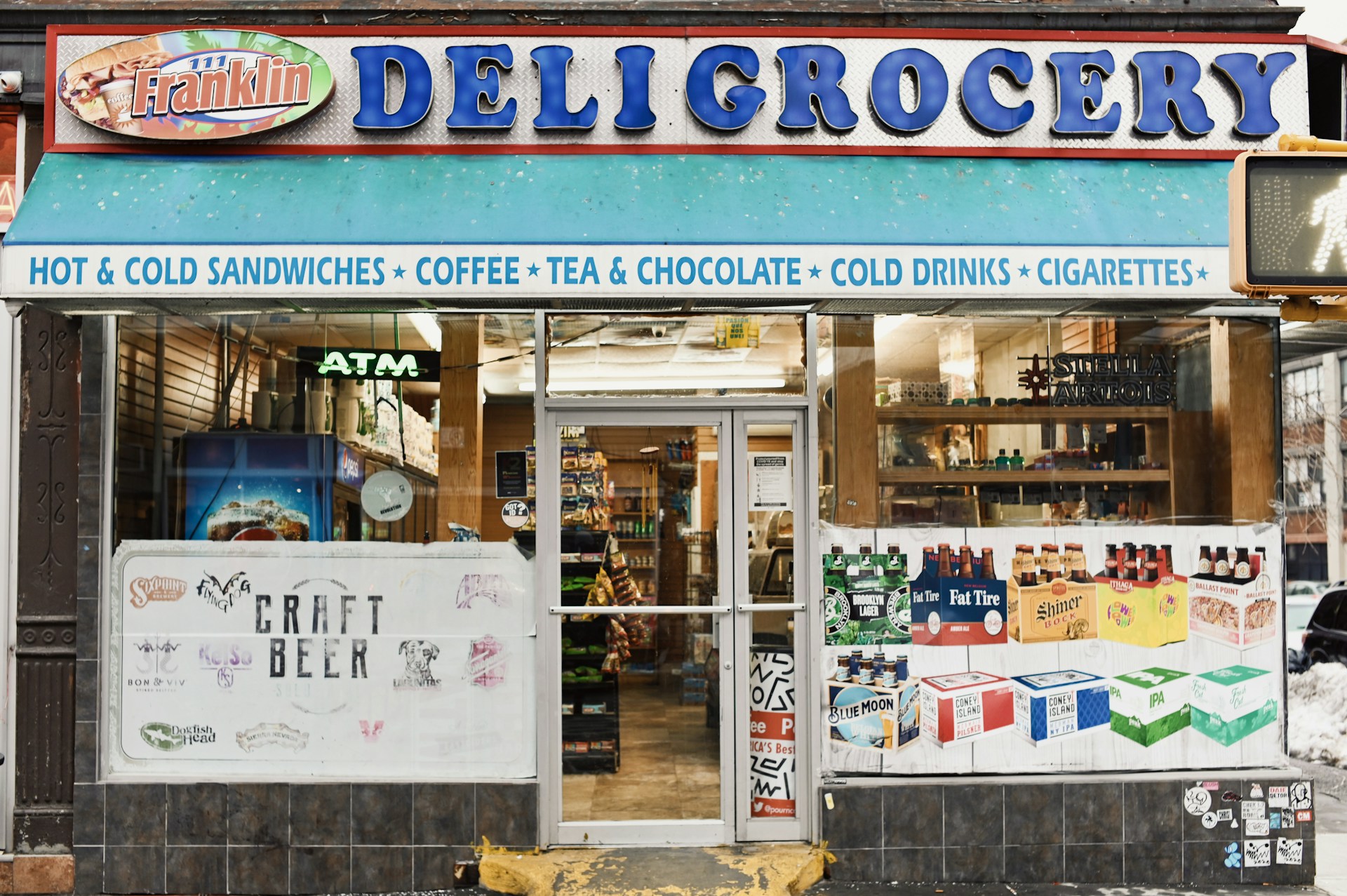
The first time I knew I was marked, it was a Wednesday. Just another day. The air smelled like fried food and gasoline, thick and familiar near the station. I had a few bills in my pocket, enough for a drink. Maybe some candy if I picked right.
The shop was the kind with a rattling fan in the corner and shelves full of things that never seemed to sell. Dusty bottles of soy sauce. Batteries in faded packaging.
I walked in, hands in my pockets.
The man behind the counter looked up. His gaze landed on me—and stayed there.
At first, I ignored it. People stared. That was nothing new.
But then I took a step toward the fridge. And he stepped out from behind the counter.
“Need somethin’?” His voice was sharp, cutting the space between us.
I nodded. “Yeah.”
I reached for the door handle.
“Which one?”
I blinked. “What?”
“Which drink you want?”
I frowned. “I dunno yet.”
His jaw tightened. “Then hurry up.”
The way he said it—like I didn’t belong there, like I was some kind of problem just for existing—made my hands tighten at my sides.
I reached for the blue bottle, the same one I always picked. I already knew I was short on change. Didn’t matter.
The second my fingers brushed the glass, he shifted.
Not fast, not loud. But definite.
A shift in his stance. A glance toward the counter. A weight in his right hand.
I dropped the bottle.
Didn’t even hear it hit the tile.
“Out.”
He didn’t have to say it twice.
The Walk Home
The street felt different after that.
It wasn’t the first time I’d been told to leave a place. But it was the first time I felt like I wasn’t just leaving a store. I was leaving something bigger.
I walked fast. Past the laundromat where the old ladies sat with baskets full of stories. Past the barber shop where Mr. Joko always gave me a nod like I was somebody. Past the cracked sidewalk where my little brother liked to draw lopsided stars.
At home, Ma was folding clothes. The air smelled like detergent and warm fabric.
She didn’t look up when I walked in. “You get your drink?”
I shook my head.
“Why not?”
I swallowed. “Didn’t have enough.”
She kept folding. Her hands were steady, smoothing out wrinkles, tucking in sleeves.
She didn’t ask anything else.
But that night, when she thought I was asleep, I heard her on the phone.
Voice low.
Sharp.
Angry.
“How do I tell him this is just the start?”
The Return
The next day, I went back.
Not because I wanted to. Not because I was thirsty.
But because I had to.
I needed to know if it was real. If it was just that day, just that moment. Or if it was something deeper. Something permanent.
I stepped into the store.
The bell jingled.
The fan rattled.
And the man behind the counter looked up.
His eyes landed on me.
And just like that, I knew.
It wasn’t about the drink. It wasn’t about the coins in my pocket.
It was about me.
I walked slow. Let him see.
I stopped in front of the fridge.
Opened it.
Took my time.
The air from the fridge was cold against my face. My fingers curled around the same blue bottle.
I turned.
Met his eyes.
And I dared him to stop me.
The Line You Can’t See
The counter felt . . . off. Like it had backed away just a little. Maybe it was in my head. The bottle was wet, slipping slightly as I held on tighter. A thought whispered—leave it, just go, see if he even reacts. But I wasn’t a thief. I was doing nothing wrong.
I stepped closer.
His stare locked on me. He didn’t budge, but his fingers twitched, just barely. Like he was gearing up for something. Like he saw a line in front of me that I didn’t even know was there.
I set the bottle down. Shoved the money forward.
He didn’t take it.
His eyes flicked to the security cam, then back at me. No words. Didn’t need any. I got the message.
He was measuring me. Deciding.
The air between us was heavy.
Then, slowly, he reached for the money.
The register beeped. A drawer clicked open. A moment passed, then a crumpled note landed on the counter. Change.
I picked up my drink. Turned.
I made it halfway to the door before he spoke.
“Don’t linger.”
The words weren’t loud, but they hit like a slap.
I stepped outside.
The bell jingled behind me, sharp and final.
More Than a Store
I stood on the sidewalk, bottle gripped tight, the pavement burning through my soles. People moved past—some fast, some slow—but none of them noticed.
None of them saw the line I had just stepped over.
The world kept moving like nothing had happened.
Like I hadn’t just been marked.
But I knew.
I turned the bottle in my hands, watching droplets slip down the plastic, vanishing into nothing. Such a small thing. Simple. But the store didn’t feel small anymore.
It wasn’t just a place to buy a drink.
It was a gate.
A test.
A reminder.
You don’t belong here.
You can leave, but you’ll still be carrying this with you.
I opened the bottle, took a long sip, and let the cold settle in my chest.
It didn’t change anything.
But it was mine.
The Lesson Ma Knew
That night, Ma was quiet. Not in the way she usually was, when she was tired after work. This was different.
She was waiting.
She knew I had gone back.
I set the half-drunk bottle down on the kitchen counter.
She looked at it, quiet for a second, like the words were stuck somewhere before they finally came out.
“Did he say anything?”
I hesitated. “Just told me not to linger.”
Her fingers tightened around the dish towel she was holding.
Then she exhaled, slow.
“Good.”
I frowned. “Good?”
She turned to me, eyes steady. “Means you didn’t let him push you out.”
I wanted to tell her it didn’t feel like I’d won anything. That it still felt like I was standing outside that store, even now.
But she already knew that.
She patted my cheek, her fingers rough but warm. “Now you know.”
“Know what?”
Her smile was sad. “That this isn’t about you.”
I didn’t understand what she meant.
Not yet.
But I would.
Marked, But Moving
Days passed. Then weeks.
I walked past that store almost every day. Sometimes I went in. Sometimes I didn’t.
The man never said anything more than what was necessary.
But the look stayed.
That weight. That mark.
It never left.
And yet—
Neither did I.
I stepped into other places, other rooms, other streets where that same look followed me. And every time, I carried that first lesson with me.
This isn’t about you.
But it still touches you.
Still lingers on your skin, in your shadow.
I could let it push me down.
Or I could keep walking.
I knew which one Ma would want.
And so, I walked.
End.
Fendy, a writer, musician, and creative mind from Malang, Indonesia, explores fiction, nonfiction, and business theory. His works have found homes in literary magazines and academic circles, reflecting his diverse storytelling and analytical depth. When he’s not writing, he explores storytelling through music under the name “Nep Kid.”
Photo credit: Photo by Robinson Greig on Unsplash.
A note from Writers Resist
Thank you for reading! If you appreciate creative resistance and would like to
support it, you can make a small, medium or large donation to Writers Resist from our Give a Sawbuck page.